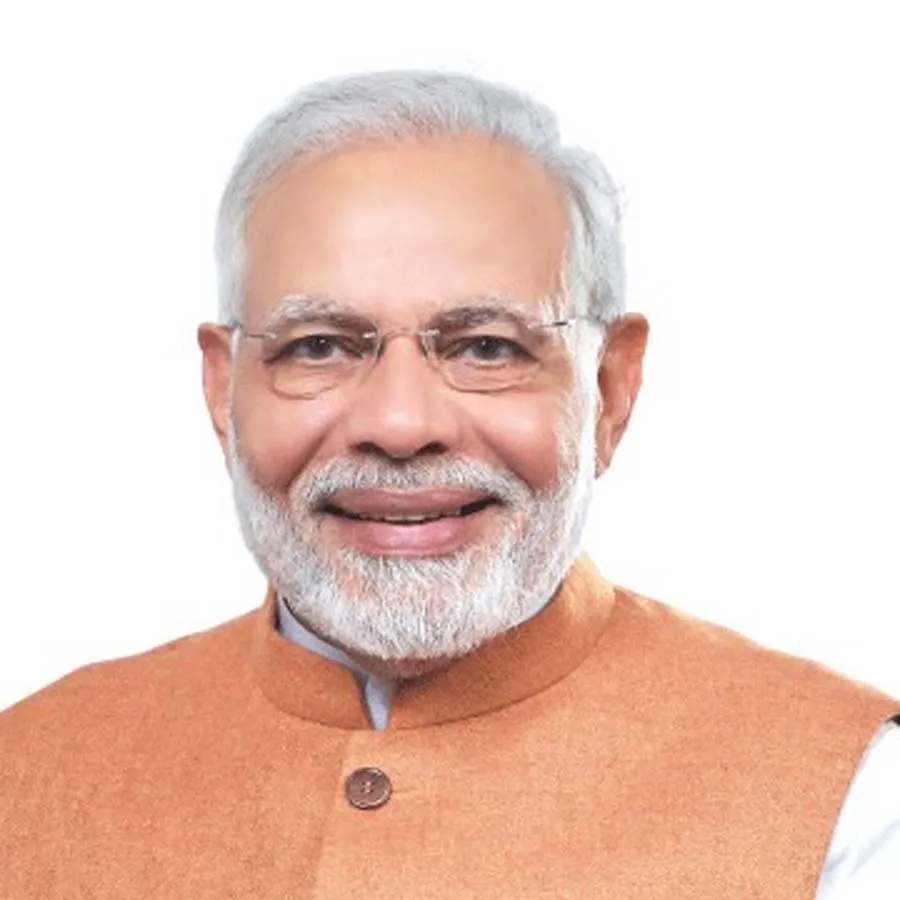
New Delhi, April 22. The Election Commission of India (ECI) has taken a strong stance against Congress President Mallikarjun Kharge’s alleged use of the term “terrorist” for Prime Minister Narendra Modi and has issued a notice demanding an explanation within 24 hours.
According to sources, the commission views this remark as a potential violation of the Model Code of Conduct, particularly provisions related to maintaining decorum and avoiding inflammatory or offensive language during the election period.
This action by the Election Commission comes after a delegation from the Bharatiya Janata Party (BJP) met with the commission on Wednesday and lodged a strong protest against Kharge’s comment. The BJP demanded strict action, stating it should set a “precedent” for others.
The high-level BJP delegation included Union Ministers Kiren Rijiju, Nirmala Sitharaman, and Arjun Ram Meghwal, along with the party’s National General Secretary Arun Singh. All leaders appealed to the Election Commission to intervene and take action against the Congress President’s “poisonous statement.”
In a media interaction, Union Minister for Parliamentary Affairs Kiren Rijiju stated that the BJP delegation expressed deep sorrow and outrage over the offensive language used against the Prime Minister and demanded immediate cognizance.
He said, “Calling Prime Minister Modi a ‘terrorist’ is not just a comment, but a serious insult to the entire nation. Such shameful conduct cannot be normalized.”
The controversy began on Tuesday when Kharge used the word “terrorist” in reference to the Prime Minister while answering a question during a press conference in Chennai. However, he later clarified that his statement was “misunderstood.”
Kharge said, “I did not mean that PM Modi is a terrorist. My intention was that people are being intimidated and institutions and agencies are being used to threaten them.” He stated that his comment was meant to criticize the “atmosphere of fear” under the current government.
He further alleged that many key institutions, including investigative agencies, are functioning under political pressure, weakening democratic norms.
The political dispute has intensified following this remark. Several BJP leaders, including Union Ministers and Members of Parliament, have launched sharp attacks on Kharge and the Congress party.
BJP leaders have termed the statement “irresponsible” and “unacceptable,” demanded an apology, and accused the Congress leadership of lowering the level of political discourse.