The US-Israeli war on Iran reveals the structural vulnerability of the African continent to international shocks, as its repercussions were not limited to the immediate regional sphere but extended to Africa through multiple economic, political, and security channels.
In this context, the positions of African countries regarding the war were neither uniform nor random. Instead, they were shaped by a set of overlapping determinants reflecting these countries’ interests, their connections to the international system, and their past experiences with global crises. These positions can be understood by analyzing the key determinants that governed African states’ behavior in dealing with the war.
This was emphasized in a study (Situation Assessment) issued by the Al-Zaytouna Center for Studies in Beirut, prepared by Mahmoud Abdo Salem, titled “The Effects of the US-Israeli War on Iran on the African Continent.”
1. Economy and Energy as the Governing Determinant
The study begins by noting that the most direct impact of the US-Israeli war on Iran was the disruption of global energy markets, which severely affected the African continent.
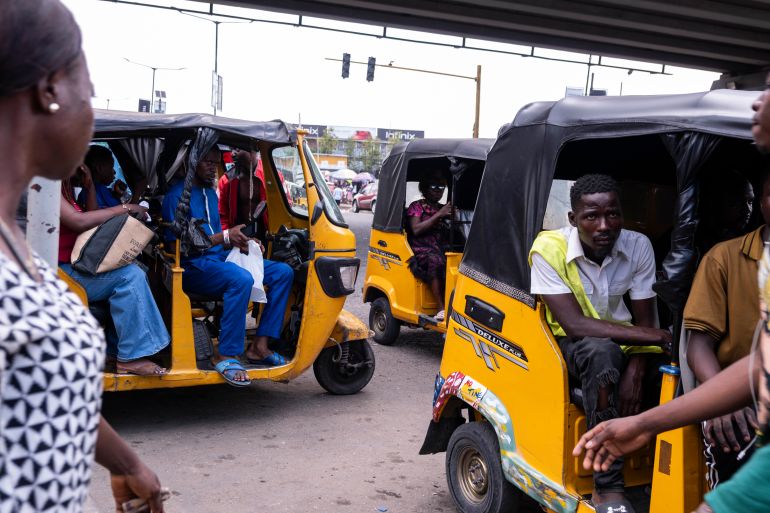
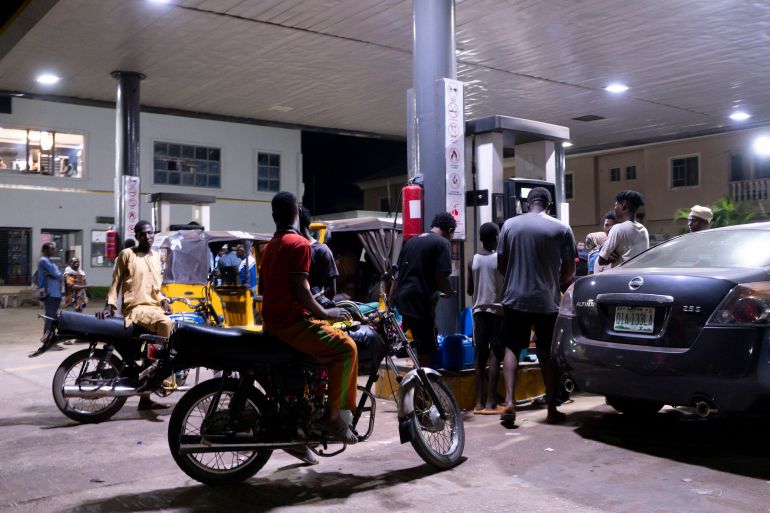
The sharp rise in oil prices created a dual economic reality: energy-exporting African countries benefited from a temporary increase in revenues, while importing countries—the majority—bore heavy economic burdens.
These burdens manifested in higher transportation costs, increased prices of essential goods, rising inflation rates, and a decline in local currencies due to pressure on foreign exchange reserves.
Tensions in vital maritime corridors, such as the Red Sea and the Bab el-Mandeb Strait, further complicated global supply chains, prompting shipping companies to seek more expensive alternative routes, thereby deepening economic pressures on already fragile African economies.
These developments cannot be separated from the broader context facing the continent, where most African countries still suffer from the repercussions of successive crises, starting with the COVID-19 pandemic, through the Russian-Ukrainian war, to the global debt crisis, making any new shock—such as the war on Iran—have a multiplied impact.
2. The Network of International Relations and Experience with Past Crises
The study shows that African positions were not unified but were shaped by a complex network of political and economic relations with the parties to the conflict.
The United States sought to strengthen its presence in the continent through economic agreements and initiatives, while Israel worked to expand its influence through developmental and technical cooperation. Meanwhile, Gulf countries emerged as major investment partners in Africa in recent years.
In contrast, Iran maintained its presence in some African countries through diplomatic, military, and economic relations, aiming to break its international isolation and build alternative partnerships. This overlap of interests made African countries approach the war with extreme caution to avoid damaging their relations with any party.
Africa’s accumulated experience from the Russian-Ukrainian war also played an important role in shaping these positions, as the effects of that war—rising food and energy prices and worsening economic pressures—are still evident, reinforcing African countries’ tendency to adopt cautious positions based on avoiding direct involvement in the conflict.
Second: The Effects of the War on Africa and Its Future Scenarios
1. Direct Economic and Security Impacts
The study highlights that the economic impacts of the war were the most visible and profound, forcing many African countries to adopt austerity measures, such as raising fuel prices and rationing energy consumption, in an attempt to contain the crisis’s repercussions. African currencies also saw a notable decline against the dollar due to capital flight to safe havens, increasing the cost of imports and foreign debt servicing.
These effects extended to vital sectors such as aviation and tourism, where disruptions in air and maritime navigation led to significant losses, whether through flight cancellations or a decline in tourist activity. Regional and international trade was also affected due to disrupted supply chains and higher transportation costs.
On the security level, the study raises possibilities of the conflict spilling over into the African continent’s periphery, especially given tensions in the Red Sea and the links between some non-state actors, such as the Houthis, with Iran, and the resulting threats to vital maritime corridors. It also points to the potential for escalating internal tensions in some African countries due to sectarian overlaps or links between certain groups and regional