Rwanda currently offers an inspiring African model for achieving economic growth and establishing security stability. Its experience is being presented internationally as a lesson for countries emerging from civil conflicts and internal strife.
Three decades ago, agricultural tools like sickles and machetes were used as weapons for killing between neighbors. Today, citizens of this African nation stand united in cultivating the land and building the foundations of their national economy. The agricultural sector employs nearly 70% of the workforce and contributes about one-third of the country’s gross domestic product.
The events of 1994 marked a harsh turning point, as Rwanda lost nearly one million people in acts targeting the Tutsi ethnic group, causing a severe economic collapse with the loss of half its domestic product, plunging the poor country into deeper levels of poverty.
After the genocide ended, Rwanda faced a huge logistical and economic challenge with 120,000 detainees implicated in the violence. The cost of feeding them consumed financial resources that were supposed to be directed to aid and rebuilding victims’ homes.
This reality pushed the country to innovate a new concept of transitional justice through traditional “Gacaca” courts, driven by economic goals aimed at achieving comprehensive national reconciliation where everyone benefits, instead of the traditional modern court formula that divides parties into winners and losers.
Rebuilding the Individual
Rehabilitation efforts extended to reshaping Rwandan identity by abolishing ethnic and religious classifications from official documents, alongside launching initiatives to enhance social cohesion, most notably the collective work day known as “Umuganda.”
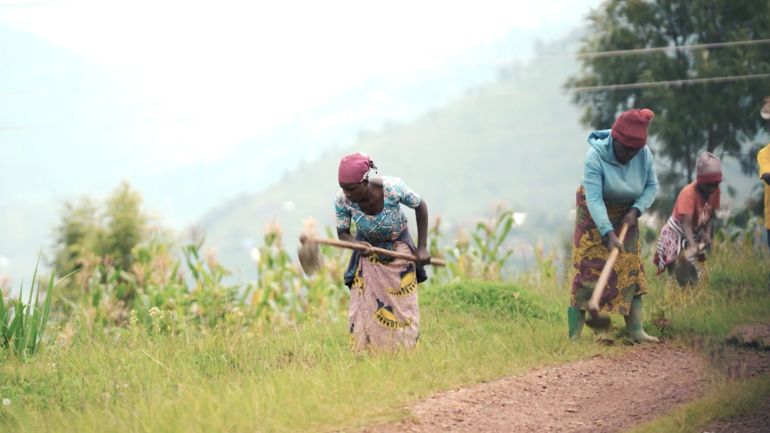
Since 1998, the state has required all adult and physically able citizens, on the last Saturday of every month, to engage in development activities determined by municipalities, such as cleaning roads and plowing land, to entrench a collective awareness that joint construction is difficult to dismantle later.
With relentless pursuit of the future, the specter of betrayal remains, prompting the state to preserve memory and criminalize denial of the genocide through 200 memorials built on mass graves, led by the capital Kigali’s memorial which holds the remains of more than a quarter million victims.
The current Rwandan philosophy is based on the triad: “Remember, Unite, and Renew” to learn from the past and overcome the hate speech and discrimination that previously destroyed the country.
Ambition of “Singapore of Africa”
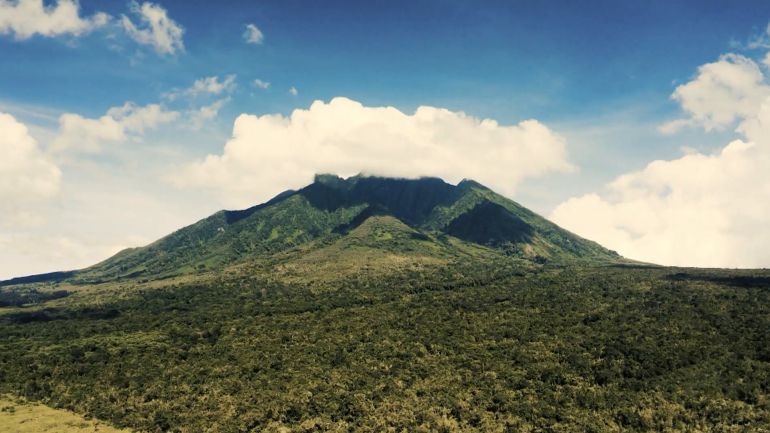
Rwanda aspires to transform into a financial and technological hub attracting global investments under the slogan “Singapore of Africa,” also aiming to boost nature tourism to attract two million visitors this year. However, this ambition faces criticism from international human rights organizations demanding more space for freedom of expression and press first.
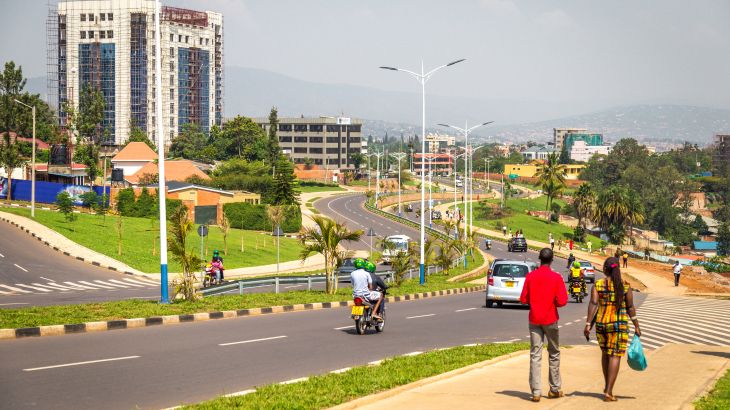
On the ground, a sharp development disparity appears between the capital and the countryside, where villages lack paved roads and rely on dirt paths, along with a severe income gap. Average per capita income in Kigali ranges between $400 and $700, compared to only $40 to $100 in rural areas.
Since the countryside remains the main pillar for agriculture and tourism, this disparity poses a major challenge for the government to develop rural infrastructure, preventing new social sensitivities that could threaten civil peace.