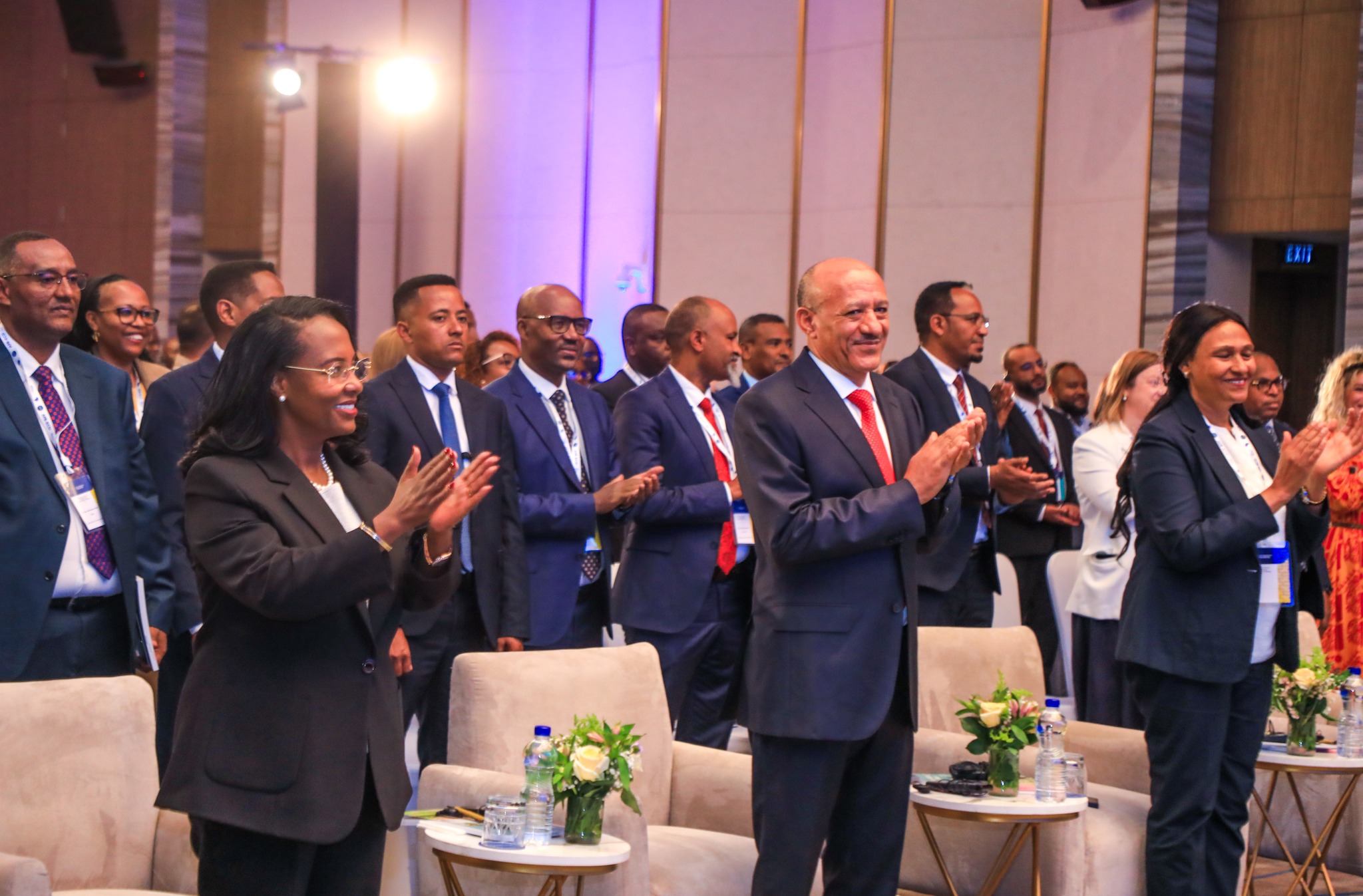
Addis Ababa, May 11, 2026 The first International Conference on Early Childhood was officially opened in Addis Ababa, bringing together policymakers, development partners, and experts to shape the future of early childhood development in Ethiopia and across Africa.
The conference, held under the theme “Advancing Child Development through Collaboration and Innovation,” serves as a platform where policy action meets to improve the lives of young children.
In his speech at the opening ceremony, the Ethiopian Deputy Prime Minister, Temesgen Tiruneh, emphasized that early childhood development has become a national priority for Ethiopia.
According to the Deputy Prime Minister, there are currently more than 35,000 preschools across the country, while childcare services in workplaces are expanding.
He explained that the government’s focus goes beyond simply improving access to education and care, to ensuring that children are fully prepared to succeed when they enter school.
In her remarks, the Mayor of Addis Ababa, Adanech Abebe, unveiled ambitious city-level plans aimed at transforming the capital into one of the most child-friendly cities in Africa, with a particular focus on children from pregnancy up to age six.
She said: “To make Addis Ababa the best city for children from the womb to age six, the focus must be on their health and well-being.”
The CEO of the African Center for Early Childhood Development, Kebede Worku, called for strengthened continental cooperation, stressing the importance of African-led solutions to address early childhood challenges.
As discussions continue on equity-based policies and scalable development models, the conference is expected to yield practical solutions to accelerate early childhood development efforts across Africa, ensuring that no child is left behind.