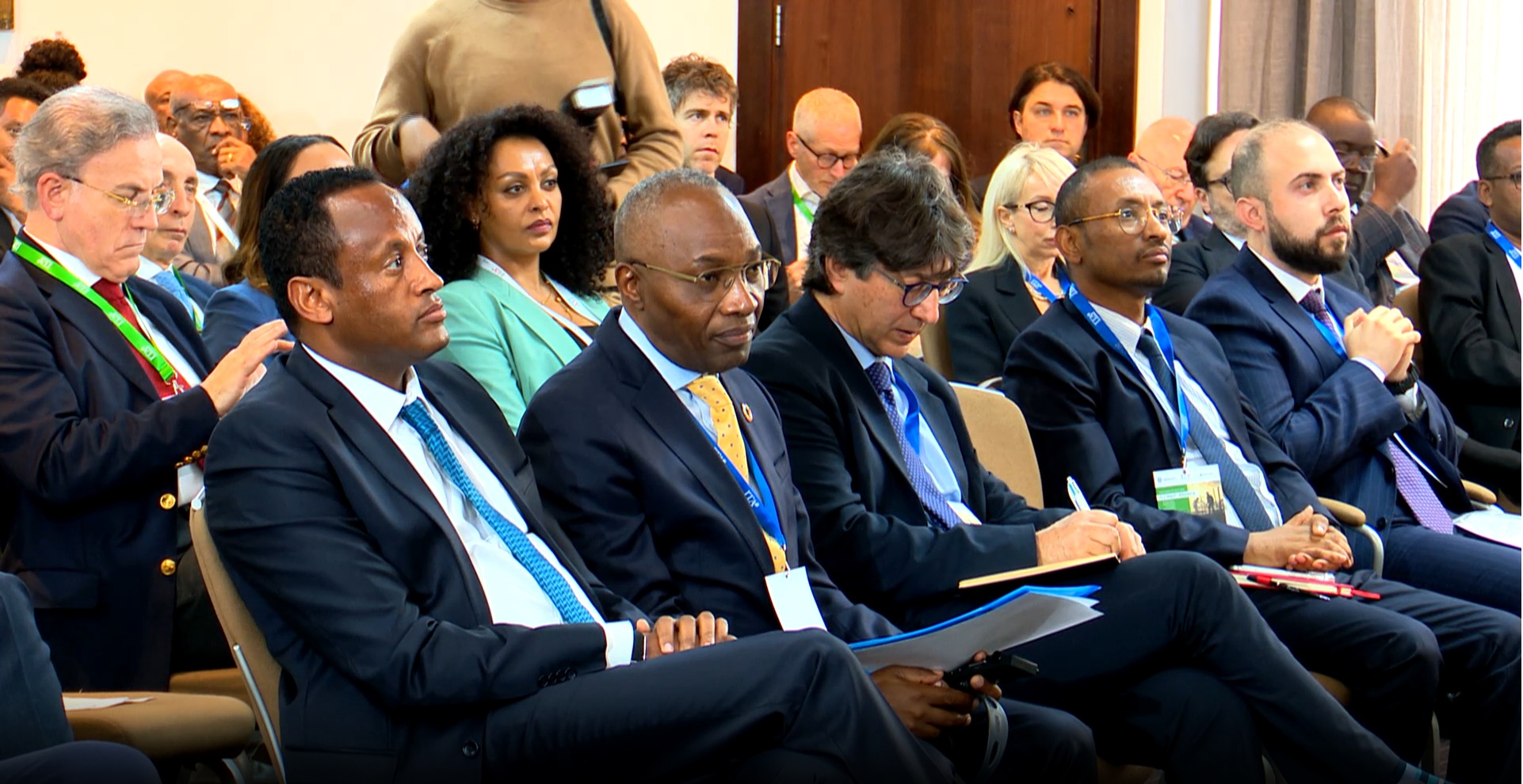
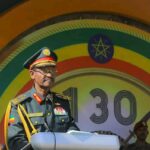
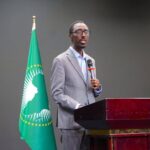
The Ethiopia-Italy Construction and Infrastructure Forum is currently being held in Addis Ababa, bringing together high-level government officials and business leaders to enhance cooperation in priority sectors.
High-level officials, in their remarks at the forum, highlighted the growing opportunities for strategic partnership, noting that strengthened cooperation can play a vital role in driving investment flows and accelerating infrastructure development in Ethiopia.
In his address at the forum, the Minister of Finance emphasized that ongoing macroeconomic reforms are creating a favorable environment for investment and sustainable growth.
For her part, the Deputy Minister of Foreign Affairs and International Cooperation of Italy praised Ethiopia’s reform path and economic performance, describing it as a major driver of development in Africa.
She also noted that structural reforms, progress in strengthening the banking sector, and gradual integration into the World Trade Organization are all indicators of Ethiopia’s commitment to openness and modernization.
She affirmed that Italy is fully prepared to support Ethiopia in the areas of sustainable urban development, social housing, waste management, and energy infrastructure.
Both sides confirmed that the forum serves as a platform to strengthen business-to-business links and translate shared commitments into practical results.
Ethiopia-Italy Construction and Infrastructure Forum
The Ethiopia-Italy Construction and Infrastructure Forum is not a specific historical or cultural site, but a recurring bilateral business and diplomatic event. These forums bring together government officials and private sector companies from both countries to discuss partnerships, investment, and technology transfer in Ethiopia’s development sectors, such as roads, energy, and urban development. They reflect the contemporary economic relationship between Ethiopia and Italy, building upon a complex historical connection that includes Italy’s colonial occupation in the 1930s and subsequent post-war cooperation.
Addis Ababa
Addis Ababa is the capital and largest city of Ethiopia, founded in 1886 by Emperor Menelik II. It serves as the political and diplomatic heart of Africa, hosting the headquarters of the African Union and the United Nations Economic Commission for Africa. The city’s history is reflected in sites like the National Museum, home to the fossil “Lucy,” and Holy Trinity Cathedral.
Ethiopia
Ethiopia is a historically rich nation in the Horn of Africa, widely considered one of the oldest sites of human habitation and home to the ancient Aksumite Kingdom. It is renowned for its unique cultural heritage, including rock-hewn churches in Lalibela and its status as one of the world’s earliest Christian civilizations, having maintained its independence during the colonial era.
Italy
Italy is a country in Southern Europe renowned for its profound historical and cultural legacy, being the heart of the ancient Roman Empire and the birthplace of the Renaissance. Its landscape is dotted with iconic sites, from the Colosseum in Rome to the canals of Venice and the art-filled cities of Florence and Vatican City. This rich history, spanning millennia, has left an indelible mark on Western art, architecture, law, and cuisine.
World Trade Organization
The World Trade Organization (WTO) is an international body established in 1995 to regulate and facilitate global trade, succeeding the post-World War II General Agreement on Tariffs and Trade (GATT). Headquartered in Geneva, Switzerland, its primary role is to provide a forum for negotiating trade agreements and settling disputes between its member nations.
Africa
Africa is a continent, not a single place or cultural site, and is the cradle of humankind where the earliest fossils of our ancestors have been found. Its history spans ancient civilizations like Egypt and Mali, through periods of colonization, to the diverse collection of 54 independent nations it comprises today. It is a continent of immense cultural, linguistic, and ecological diversity.