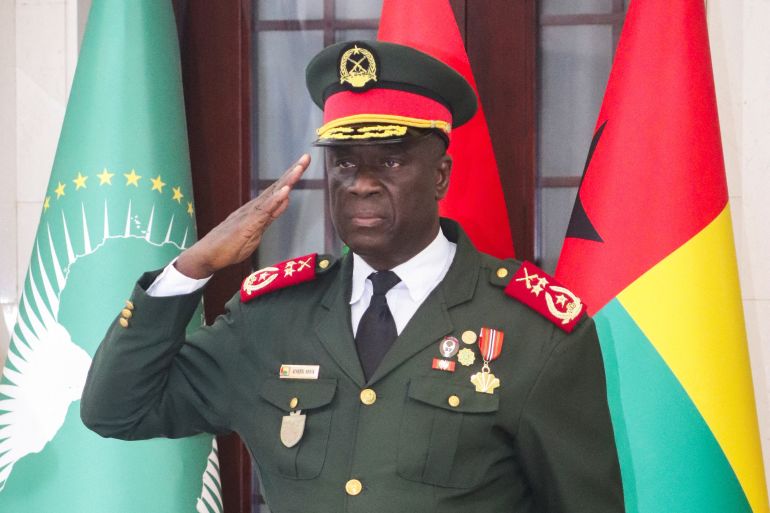
The military regime in Guinea-Bissau announced on Tuesday evening the release of 6 political opponents who had been detained since the coup that ousted President Umaro Sissoco Embaló on November 26 of last year.
The coup leaders described the move as a “goodwill gesture,” at a time when regional and international pressure is mounting for the country to return to constitutional order.
The military leadership also stated in a communiqué that the release of the detainees represents a “commitment to returning to the constitutional order and respecting international rights.”
The step followed a visit by a high-level Senegalese delegation to Bissau, which met with the detainees and demanded their release.
Furthermore, a group threatened last week to impose “targeted sanctions” on any party obstructing the return to civilian rule.
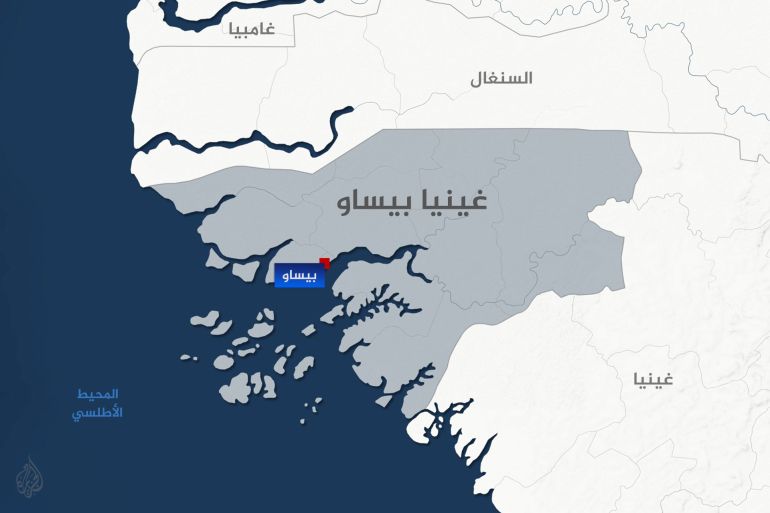
A Country Burdened by a Legacy of Coups
Guinea-Bissau, which has experienced a series of coups since its independence, is living through a new transitional phase after the ousted President Embaló left the country.
The military leadership appointed General Horta Intam, a close associate of Embaló, to head a one-year transitional period, amid widespread skepticism about the future of the political process.
In contrast, opposition candidate Fernando Dias sought refuge at an embassy which granted him asylum, while Pereira and a number of opposition leaders remain in detention.