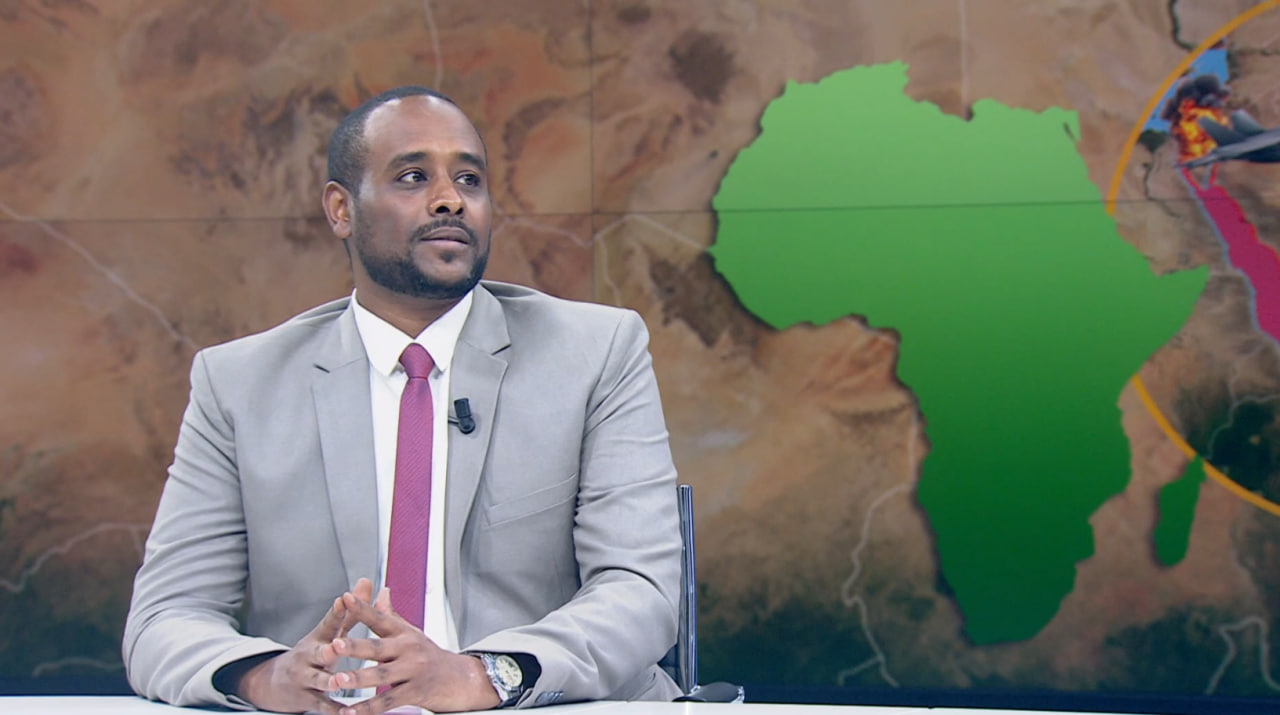
Addis Ababa, May 13, 2026 — More than fifty million Ethiopians have registered to vote in the upcoming seventh general election, an achievement reflecting growing public awareness of the importance of democratic participation, according to Ethiopian official Mohamed al-Arusi.
The National Electoral Board of Ethiopia recently announced that 50,514,155 citizens have registered for the national election scheduled for June 1, 2026.
According to the board, over 45.1 million voters registered manually, while the remaining registrations were completed electronically. The voter list includes more than 27.3 million men and over 23.1 million women.
In an exclusive interview, al-Arusi said this registration achievement demonstrates the expansion of political participation and the growing public commitment to shaping Ethiopia’s future.
He said: “The registration of over 50 million voters reflects citizens’ increasing awareness of the importance of the electoral process and their desire to contribute to the country’s future and development path.”
Al-Arusi noted that Ethiopians are increasingly recognizing the importance of their electoral voice in strengthening legitimate governance and accelerating nation-building efforts.
As Ethiopia prepares for its seventh general election, the country recognizes what many observers describe as a critical moment in its evolving democratic journey.
The upcoming election is widely seen as more than just a routine constitutional exercise.
It represents a milestone in Ethiopia’s efforts to strengthen democratic governance and build public trust in political institutions.
The election, scheduled for June 1, 2026, comes amid growing public expectations for transparency and credible democratic practices.
Political leaders, analysts, and electoral authorities say the election will be an important indicator of Ethiopia’s democratic progress and the resilience of its institutions.
The government has repeatedly pledged to ensure a conducive environment for free, fair, and credible elections.
Al-Arusi said recent national initiatives, including popular mobilization around the Grand Ethiopian Renaissance Dam and discussions regarding Ethiopia’s access to the sea, have contributed to strengthening national unity and entrenching citizens’ sense of participation in the country’s development.
He added that Ethiopian voters are increasingly looking for representatives who reflect their aspirations and can serve the country’s economic, political, and diplomatic interests.
Highlighting ongoing development efforts, al-Arusi pointed to the rapid transformation taking place in Addis Ababa.
He said: “Anyone visiting Addis Ababa today, after years, or even after just a few months, will notice significant transformations in infrastructure and urban development.”
He stressed that sustaining this progress requires national unity, peaceful coexistence, and citizens’ continued commitment to their country’s future.
Despite differing political opinions, al-Arusi emphasized the need for Ethiopians to remain united by their shared desire for development, stability, and a better future.