It was reported that the helicopter was on a medical rescue mission.
Mount Kilimanjaro is the highest peak in Africa, with an elevation of about 6,000 meters (20,000 feet) above sea level.
The accident occurred at an altitude between 4,670 and 4,700 meters.
Approximately 50,000 tourists climb Mount Kilimanjaro every year.
Amboseli National Park
Amboseli National Park is a renowned wildlife reserve in southern Kenya, famous for its large elephant herds and stunning views of Mount Kilimanjaro. Historically, the area has been home to the Maasai people for centuries, with the park itself being established as a protected reserve in 1974 to conserve its unique ecosystem. It is celebrated for its vast, seasonal lake and swamps that attract diverse wildlife against the iconic backdrop of Africa’s highest peak.
Mount Kilimanjaro
Mount Kilimanjaro is a dormant volcano in Tanzania and Africa’s highest peak, rising about 5,895 meters above sea level. Formed from three volcanic cones over a million years ago, it has long held cultural and spiritual significance for local Chagga people. Its iconic snow-capped summit, despite its location near the equator, was first recorded by Europeans in 1848 and was successfully climbed in 1889.
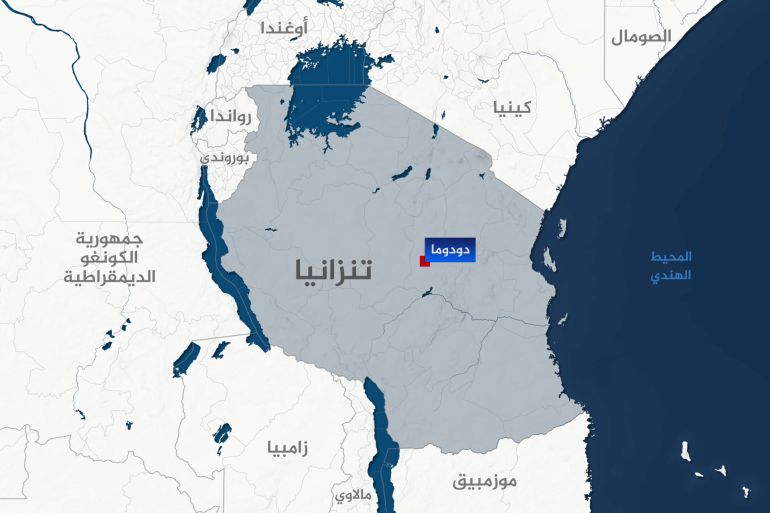
Tanzania
Tanzania is a country in East Africa renowned for its vast wilderness areas, including the Serengeti National Park, a UNESCO World Heritage Site and the location of the annual Great Migration. Historically, it was a hub for Swahili coastal trade and later part of German and British colonial rule before gaining independence in 1961. The nation is also home to iconic sites like Mount Kilimanjaro, Africa’s highest peak, and the archaeological Olduvai Gorge, considered one of the most important paleoanthropological sites in the world.
Barafu camp
Barafu Camp is a high-altitude base camp on Mount Kilimanjaro in Tanzania, situated at approximately 4,600 meters (15,100 feet). It serves as the final staging point for climbers attempting to summit the mountain via the Marangu and Machame routes, typically used for a short rest before the overnight ascent to Uhuru Peak. The camp itself has no permanent structures due to the extreme environment and is historically significant only in the context of modern mountaineering on Africa’s highest peak.