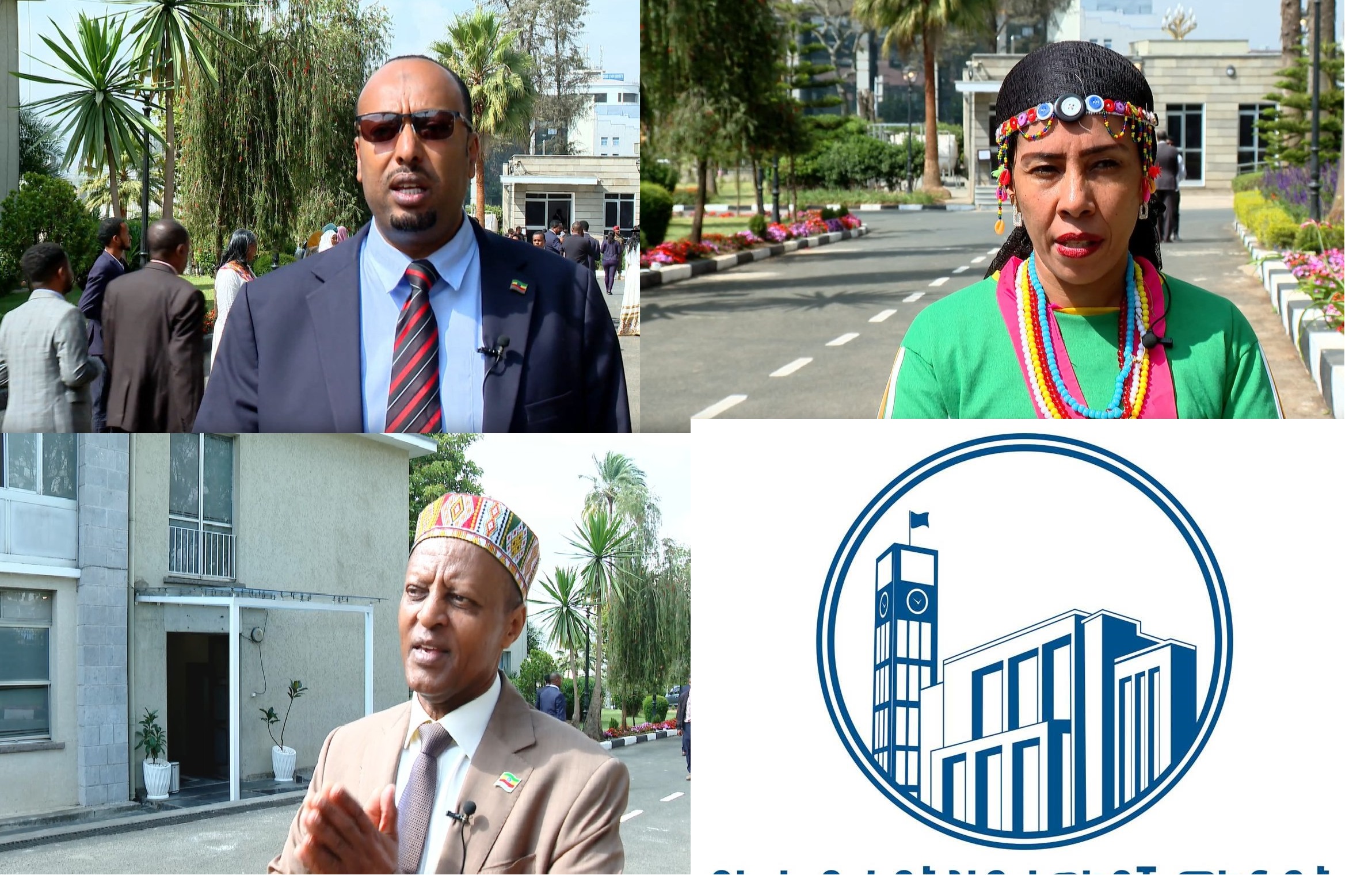
Ethiopian parliamentarians affirmed that the growing strategic partnership with India represents a strong platform for advancing the shared interests of developing nations, emphasizing the importance of leveraging the continental influence both countries hold on the international stage.
These statements followed the official visit by Indian Prime Minister Narendra Modi to Ethiopia and his historic address to the House of Peoples’ Representatives on Wednesday. In a move reflecting the depth of bilateral ties, Ethiopia and India officially announced the elevation of their relationship to a comprehensive strategic partnership.
This development is widely viewed as a milestone opening a new chapter of deeper cooperation and shared progress. Prime Minister Modi’s address garnered significant international attention, contributing to the expansion of “Global South diplomacy” beyond bilateral talks and establishing it as a model to be emulated.
In his speech, Modi affirmed the commitment of both countries to deepen cooperation across various sectors, based on the principle of mutual benefit and mutual respect.
In this context, the longstanding diplomatic relations and strong people-to-people ties between Ethiopia and India were highlighted, underscoring the urgent need to strengthen this partnership to propel shared prosperity forward.
Ethiopia and India were described as two ancient civilizations whose destiny is linked to the choices they make today. Elevating the relationship to a strategic partnership level was noted as a step that would ensure a solid and enduring friendship, regardless of global fluctuations, with Prime Minister Modi’s visit seen as evidence of the strength and resilience of this growing relationship.
It was further affirmed that this strategic partnership would be particularly valuable in enabling the two countries to effectively support each other on international forums and platforms.
In a related statement, it was declared that Ethiopia and India are working diligently to leverage their continental influence to promote the interests of developing nations and advocate for their common causes.
Official diplomatic relations between Ethiopia and India were established in 1948, and their current strategic partnership opens new and promising horizons for achieving shared and sustainable prosperity for both nations.