The national carrier aims for the new airport to be for Africa what Dubai or Doha are for the Middle East—a major regional hub with strong international connectivity.
Ethiopia has embarked on what is described as the largest aviation infrastructure project in Africa, and the mega-airport could redefine air connectivity on the continent.
The new Bishoftu International Airport project is located about 30 miles southeast of Addis Ababa and is expected to significantly ease the chronic challenges faced by travelers within the African continent.
Travel between African cities has often required transit through global aviation hubs such as London, Paris, or Dubai, but the new airport will help change this pattern by boosting direct flights within and beyond Africa.
This ambition reflects the country’s broader strategy to position itself at the heart of Africa’s rapidly growing aviation market.
The airport, scheduled for completion by 2030, will initially accommodate about 60 million passengers annually, with plans for later expansion to 110 million passengers, potentially making it among the busiest airports in the world.
The project is one of the largest aviation ventures in Africa, led by the airline which is considered the largest carrier on the continent by several key metrics, further strengthening the country’s standing in the aviation sector.
The company also plans to directly finance a significant portion of the project, while negotiations are underway with international partners for additional funding.
The capital, Addis Ababa, is already one of Africa’s leading aviation hubs, but the current Bole International Airport is nearing its maximum capacity, creating an urgent need for a larger, more advanced facility.
The new airport is expected to play a pivotal role in connecting African skies and enhancing the continent’s aviation potential.
Africa is one of the fastest-growing aviation markets globally, and improved air connectivity could accelerate trade and mobility.
The airport will also significantly boost air cargo capacity, supporting the implementation of the African Continental Free Trade Area by handling millions of tons of goods annually.
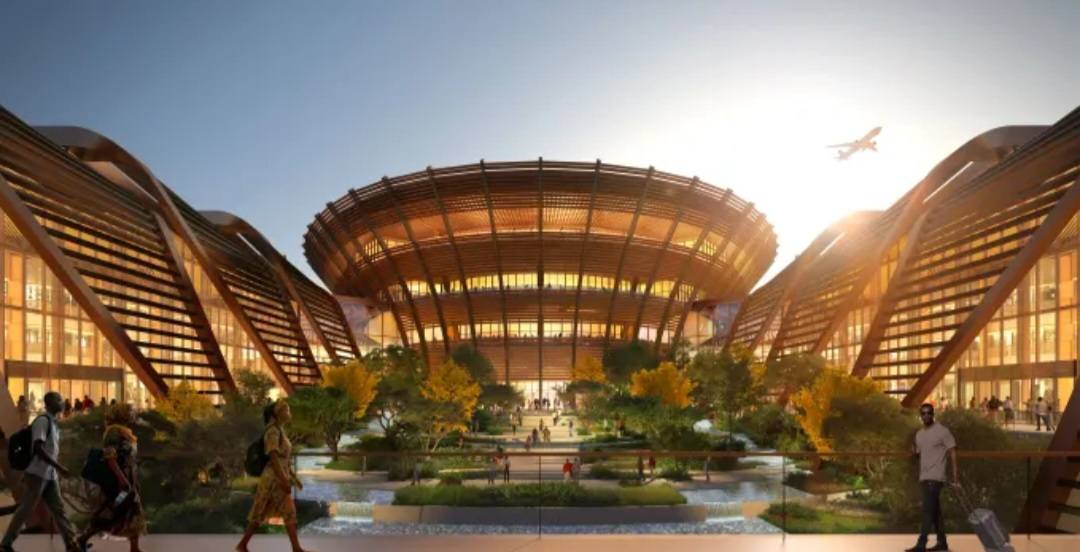
The project’s design, undertaken by Zaha Hadid Architects, will reflect Ethiopia’s natural and cultural diversity, with the airport terminal inspired by the Great Rift Valley, offering a unique travel experience that embodies the identity of Africa and Ethiopia.
Transit passengers “will feel and touch Africa,” as the airport will feature open spaces, gardens, and architectural elements inspired by African culture.
Sustainability is a key priority for the project, through the use of solar energy, local materials, and innovative water management systems.
This massive project is part of a broad wave of investment in Africa’s aviation sector, but its scale and ambition make it exceptional, potentially changing the rules of air connectivity on the continent.
The success of this transformative project depends on continued cooperation among African airlines and the development of supportive policy frameworks to enhance the ease of air travel between the continent’s countries.
Dubai
Dubai is a major city and emirate in the United Arab Emirates, known for its ultramodern architecture, luxury shopping, and vibrant nightlife. Historically a small fishing and pearl-diving village, its transformation began in the 1960s with the discovery of oil, which fueled rapid development into a global business and tourism hub. Today, it is famous for landmarks like the Burj Khalifa, the world’s tallest building, and man-made islands such as the Palm Jumeirah.
Doha
Doha is the capital and most populous city of Qatar, located on the Persian Gulf coast. Originally a small fishing and pearl-diving village, it began to modernize rapidly after the discovery of oil in the mid-20th century. Today, Doha is known for its striking skyline, cultural institutions like the Museum of Islamic Art, and its role as a global hub for education, sports, and commerce.
Bishoftu International Airport
<
Bishoftu International Airport
Bishoftu International Airport, located near the town of Bishoftu (formerly Debre Zeyit) in Ethiopia, was originally built as a military airbase by the British during World War II. After the war, it was converted into a civilian airport and eventually became a key hub for Ethiopian Airlines’ domestic and regional operations. Today, the airport primarily serves as a training center for Ethiopian Airlines pilots and handles some domestic flights, with its history reflecting Ethiopia’s aviation development.
Addis Ababa
Addis Ababa, meaning “New Flower,” is the capital and largest city of Ethiopia, founded in 1886 by Emperor Menelik II. It became the nation’s permanent capital in the early 20th century and has since grown into a major political and cultural hub in Africa, hosting the headquarters of the African Union. The city blends modern development with historic landmarks, such as the National Museum, which houses the famous fossil “Lucy.”
Bole International Airport
Bole International Airport, located in Addis Ababa, Ethiopia, is the country’s primary international gateway and one of the busiest airports in Africa. Originally built in the early 1960s, it was renamed after Emperor Haile Selassie’s birthplace before being updated to its current name following the 1974 revolution. Today, it serves as the main hub for Ethiopian Airlines, reflecting Ethiopia’s growing role in global aviation and economic connectivity.
Zaha Hadid Architects
Zaha Hadid Architects (ZHA) is a renowned international architecture and design firm founded by the late, groundbreaking architect Zaha Hadid in 1980. The firm is celebrated for its futuristic, fluid, and parametric designs, which have reshaped skylines worldwide, including iconic projects like the Heydar Aliyev Center in Baku and the London Aquatics Centre. Following Hadid’s passing in 2016, the practice continues under her legacy, pushing the boundaries of digital design and engineering.
Great Rift Valley
The Great Rift Valley is a vast geological trench stretching over 6,000 kilometers from Lebanon to Mozambique, formed by tectonic plate movements millions of years ago. It is renowned for its dramatic landscapes, including volcanoes, lakes, and escarpments, and is often called the “Cradle of Humankind” due to significant fossil discoveries, such as early hominid remains in Ethiopia and Tanzania. The valley continues to shape the region’s geography and ecology, influencing human settlement and wildlife habitats throughout history.
Dubai
Dubai is a major city and emirate in the United Arab Emirates, known for its futuristic architecture, luxury shopping, and vibrant nightlife. Originally a small fishing and pearl-diving village, it transformed dramatically after the discovery of oil in the 1960s, rapidly developing into a global hub for business and tourism. Today, it is famous for landmarks like the Burj Khalifa, the world’s tallest building, and man-made islands such as the Palm Jumeirah.
Doha
Doha is the capital and most populous city of Qatar, located on the Persian Gulf coast. Originally a small fishing and pearl-diving village, it rapidly transformed in the 20th and 21st centuries into a modern metropolis and global hub, driven by vast oil and natural gas revenues. Today, Doha is known for its futuristic skyline, cultural institutions like the Museum of Islamic Art, and its role as a host of major international events such as the 2022 FIFA World Cup.
African Continental Free Trade Area
The African Continental Free Trade Area (AfCFTA) is a landmark agreement launched in 2018 to create a single continental market for goods and services across 54 African Union nations. Its history stems from earlier regional economic communities and the 2012 decision to boost intra-African trade, aiming to reduce tariffs and non-tariff barriers. Officially commencing trading in January 2021, the AfCFTA seeks to accelerate economic integration, industrialization, and sustainable development across Africa.