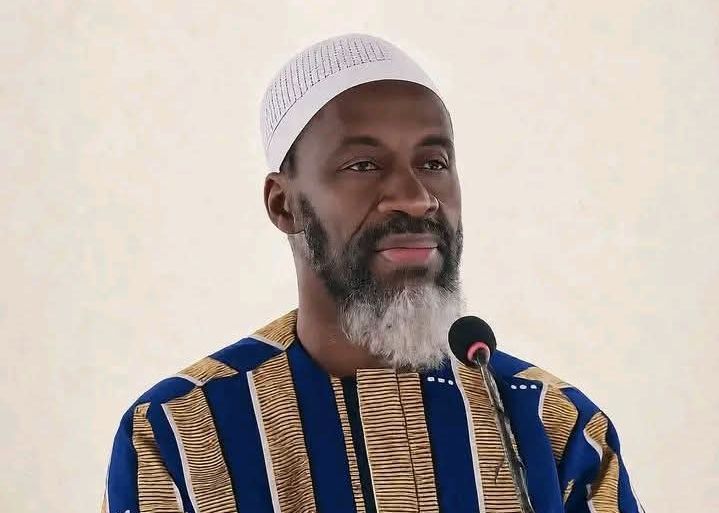
Security authorities in Burkina Faso arrested Imam Muhammad Ishaq Kindo, one of the country’s most prominent imams, from his home in the capital Ouagadougou, one day before the blessed holiday.
According to the Union of Islamic Associations of Burkina Faso (UIAF), Imam Kindo was arrested by police officers and masked soldiers, then taken to an unknown destination. The union stated in a declaration that it “values calm dialogue” and called on its members to “remain calm and show solidarity.”
The arrest came two days after an audio recording widely circulated on social media, in which Imam Kindo warned authorities against restricting prayer in public places, saying: “Let everyone beware and stop wanting to ban prayer in public places, whether a leader or an authority figure, for they have no power against God.”
The Council of Ministers had adopted a draft law on March 19 to regulate religious freedoms, which prohibits the establishment of places of worship within public facilities, with exceptions for hospitals, prisons, and military barracks. Minister of State Emile Zerbo confirmed that the law aims to “strengthen national cohesion and fill the legal vacuum surrounding the exercise of religious freedoms.” However, several Islamic associations objected to the draft and demanded its withdrawal.
Under the 2026 Finance Law, churches, mosques, and associations are now required to implement a unified accounting system that allows the state to track their financial resources. Additionally, reports indicate that a committee has been formed to monitor religious sermons and social media posts for any speech deemed to incite extremism.
The arrest was followed by a gathering of hundreds of protesters in Ouagadougou demanding the imam’s release, with security forces responding with tear gas to disperse them. Some worshippers present at the arrest site attempted to resist the security operation, leading to clashes with security forces.
Context of Tightening
The arrest of Imam Dr. Muhammad Ishaq Kindo was not an isolated incident; it was the second of its kind within a few weeks, following the arrest of Imam Mahmoud Baro in mid-April under similar circumstances and for the same reasons.
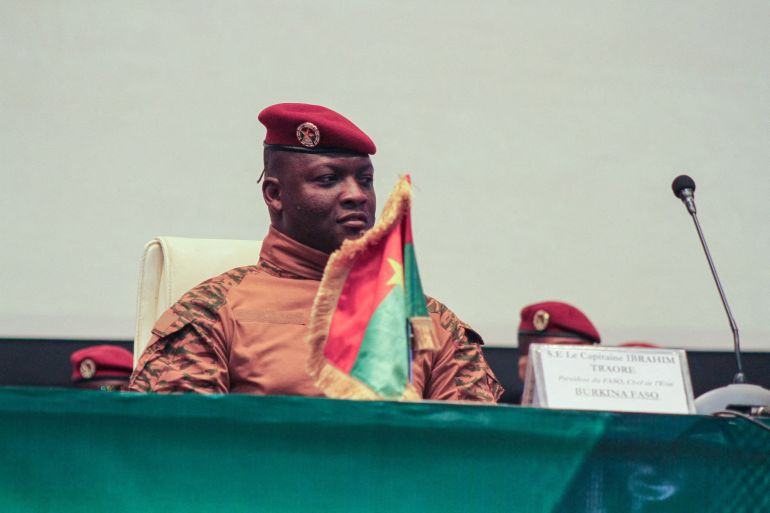
According to observers, Imam Kindo’s arrest comes amid escalating restrictions on voices critical of the military authorities led by General Ibrahim Traore. On the same day as the arrest, Minister of State Emile Zerbo issued a decision suspending the activities of the General Union of Students of Burkina Faso for three months, following a statement issued by the union on May 25 accusing the government of failing to meet its security commitments.
The government also dissolved more than one hundred non-governmental organizations and civil society organizations in April. In March, Traore publicly stated that the country should “forget democracy.”
Authorities in Burkina Faso have not yet issued any official statement explaining the legal reasons for Imam Kindo’s arrest or the outcome of his situation.