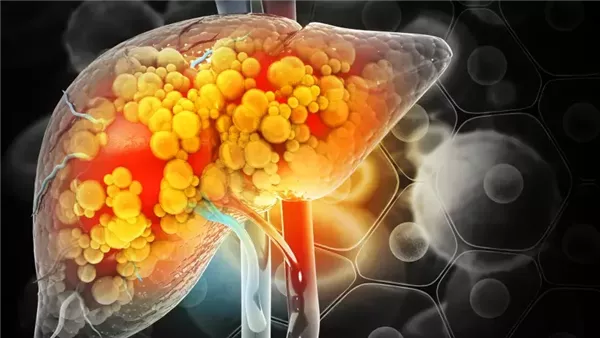
Researchers at the University of California have reached new scientific findings that could represent an important advance in the treatment of chronic disease, with the potential to reverse it without the need for major dietary changes.
Promising medical discovery at the University of California may change the treatment of fatty liver disease
The recently published study showed that the research team was able to identify a group of abnormal immune cells within the liver, known as senescent cells or zombie cells, which are believed to play a key role in sustaining inflammation and the deterioration of liver function.
According to the results, removing these cells in animal experiments led to a clear improvement in the condition of the liver, and in some cases, the damage was completely reversed, despite the continuation of an unhealthy diet, which has sparked widespread interest in medical circles.
The researchers noted that these cells accumulate more with advancing age, as well as in cases of chronic high cholesterol, making them a potential driver of disease progression in a large segment of patients.
The scientific team is currently working on developing drug treatments that directly target these cells, with the aim of reducing inflammation and treating the disease without the need for surgical interventions or strict lifestyle changes, a step that could open new horizons for the treatment of chronic liver diseases in the future.