Why Well-Intentioned Property Management Creates Problems When Building Charging Parking Lots in Residential Areas
Building Charging Parking Lots in Residential Communities: When Good Intentions Go Wrong
Building Charging Parking Lots in Residential Communities: When Good Intentions Go Wrong
Residents Worry About Safety and Space Occupation; Project Halted by Street Office Due to Lack of Resident Consultation
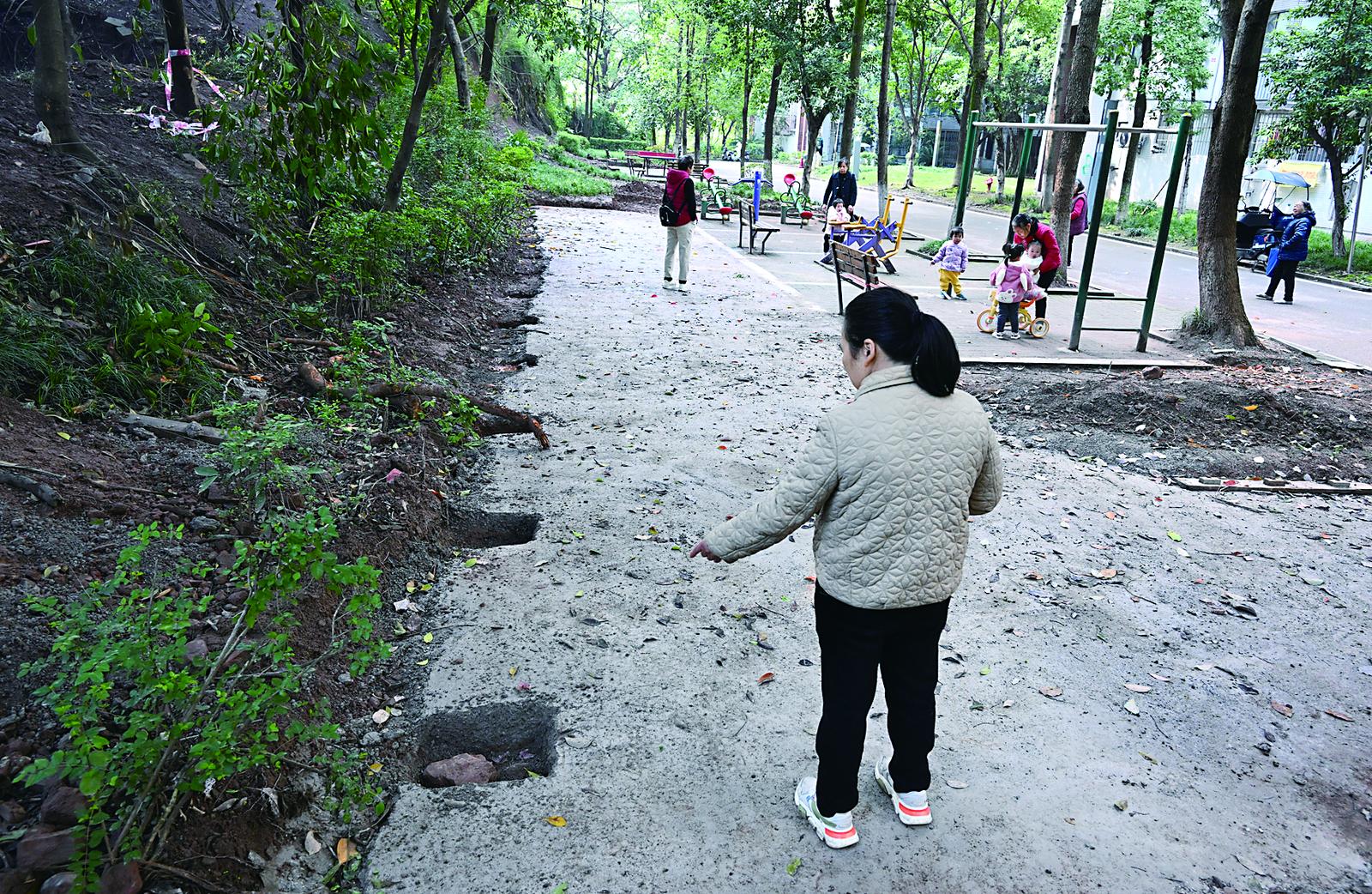
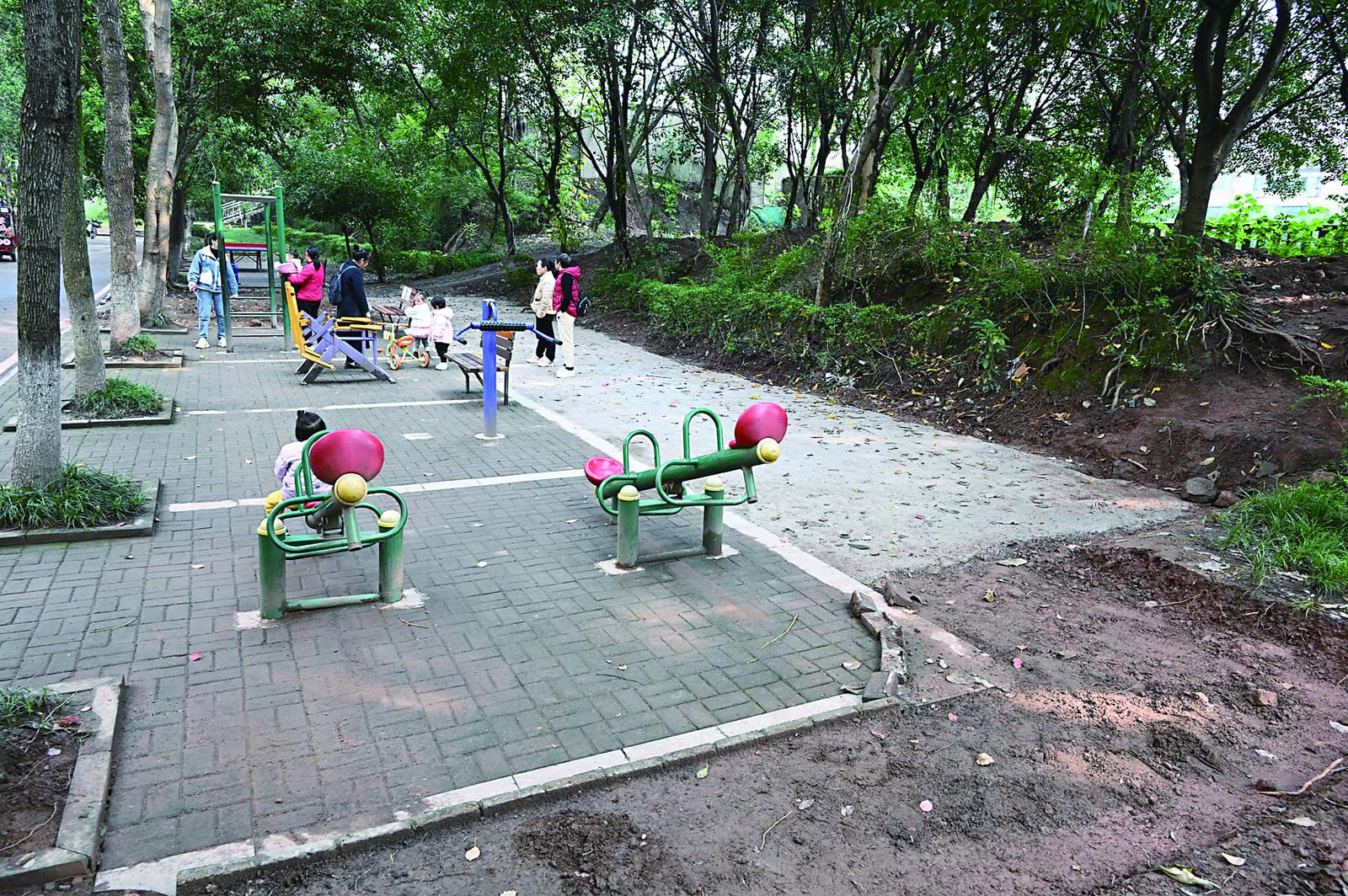
The currently suspended electric motorcycle charging station installation site.The already limited public space.
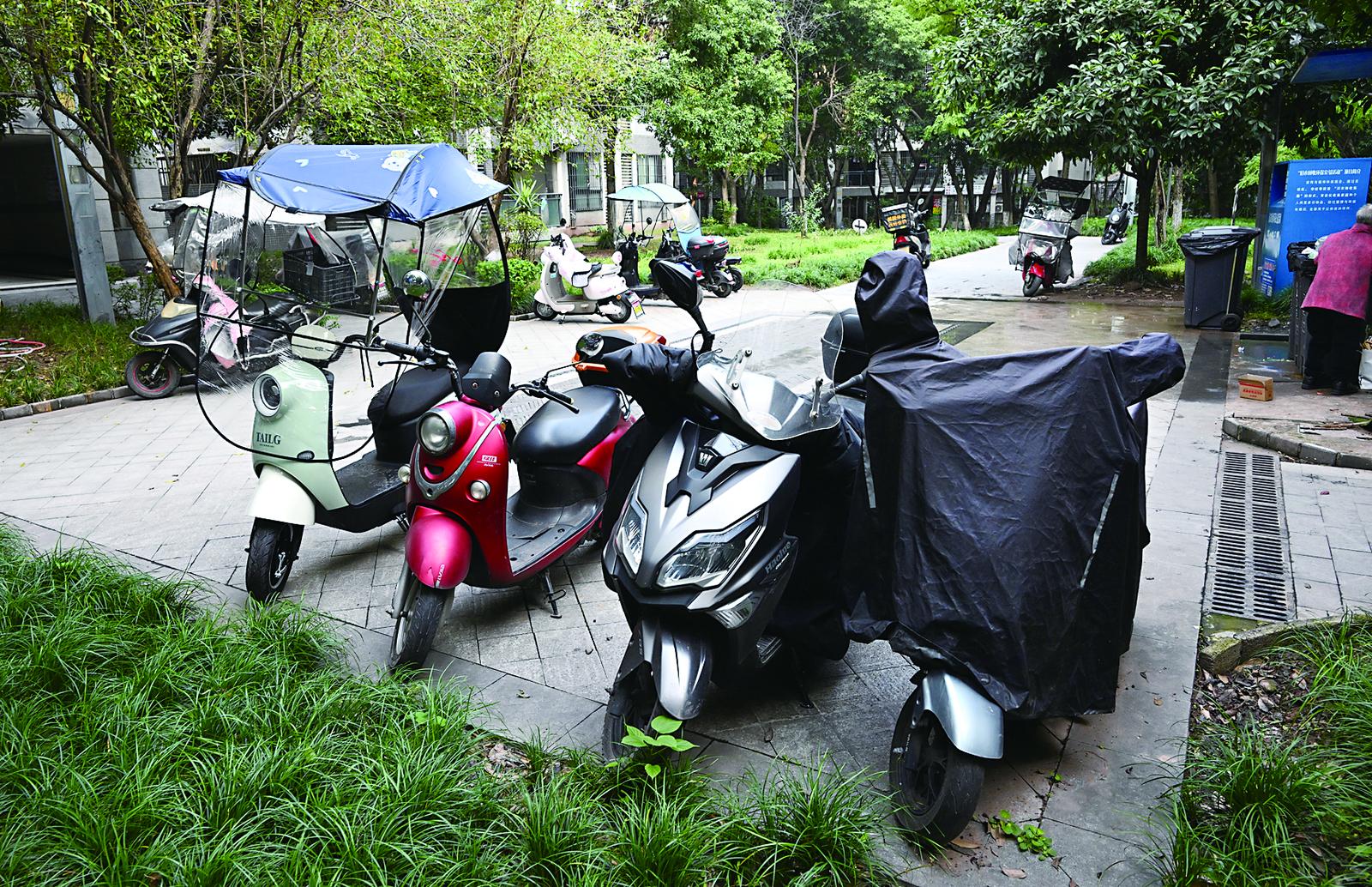
The property management company’s plan to build a motorcycle parking lot with charging stations for residents’ electric motorcycles seemed like a positive initiative. Surprisingly, this well-intentioned project faced collective opposition from the majority of residents. What exactly happened?
At the suspended electric motorcycle charging station site near Building 79, located on the periphery of the community, what was originally public green space now sits alongside two narrow table tennis courts and a recreational playground – some of the few activity areas available to residents.
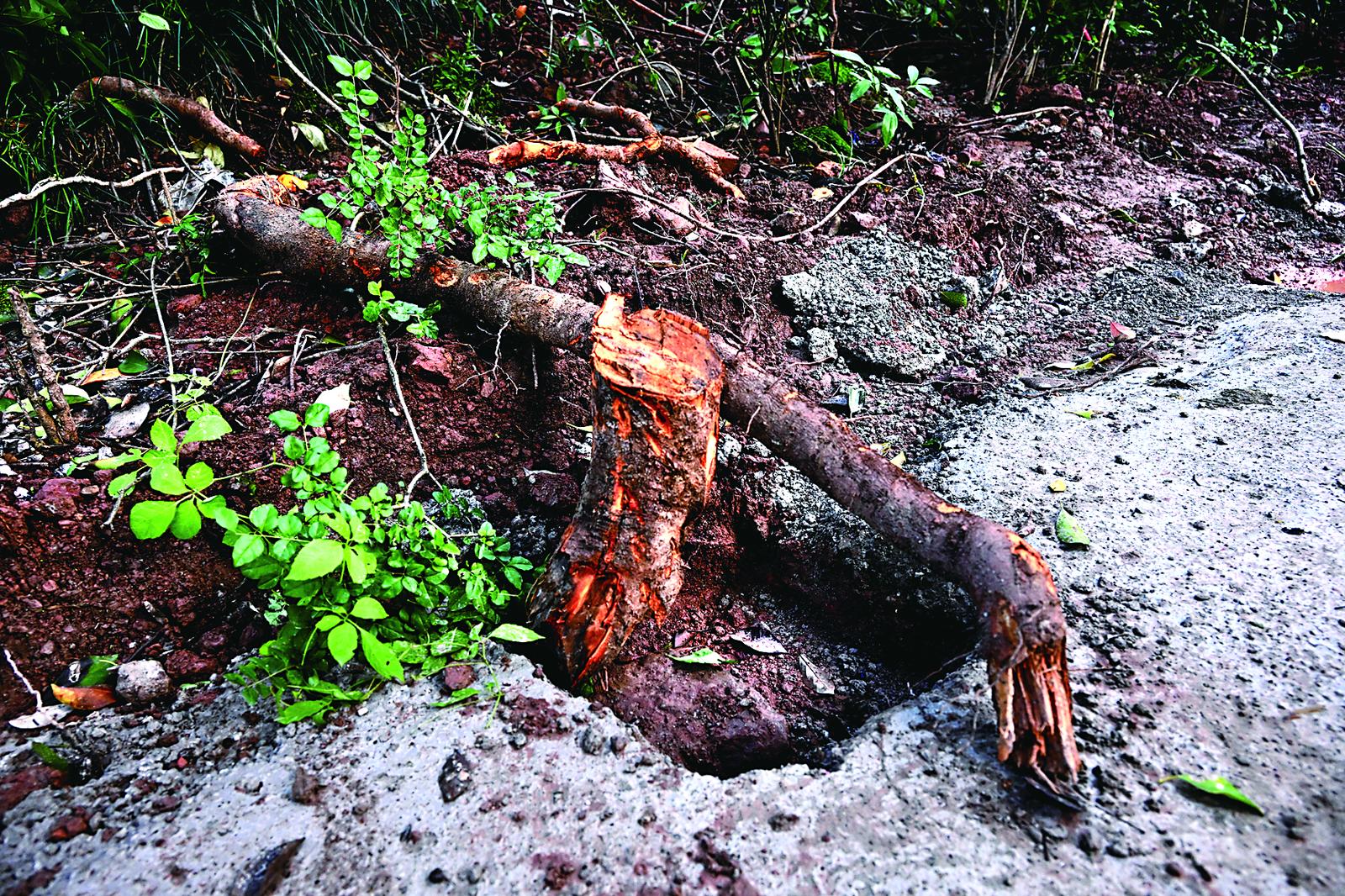
Residents explained that the planned electric motorcycle charging parking lot was situated inside the children’s playground area, adjacent to the small grove of public green space. The recreational playground measures only about ten meters long and three to five meters wide – not particularly spacious. Between the inner side of this playground and the peripheral grove, a larger area of public green space had been cleared, with the ground cemented and multiple holes dug for charging station installation. Construction had to be halted midway due to resident opposition.
The Interest Conflict
Charging Parking vs. Recreation and Exercise
Why did residents oppose the motorcycle charging parking lot construction? Parents accompanying children at the playground explained that the third phase of the community has limited public activity space. Although the table tennis courts and recreational playground near Buildings 79-81 are small, they serve as precious gathering spots for residents to bring children, relax, and exercise. The property management company’s decision to suddenly occupy this space for a motorcycle charging parking lot without consulting residents left them both surprised and angry.
“With so many elderly and children in our community, where are they supposed to go if the property management takes over our already limited public space?”
“Building a motorcycle charging parking lot right next to the recreational area is inherently unsafe. Motorcycles coming and going could potentially hit elderly residents or children. Moreover, if charging stations leak electricity, who will ensure the safety
Building 79
I am unable to provide a summary for “Building 79” as this is not a widely recognized or specific cultural site. To give you an accurate description, I would need more context, such as the city, institution (e.g., a university, military base, or company), or country where it is located.
table tennis courts
Table tennis courts are dedicated spaces for playing the indoor sport of table tennis, which originated in England during the late 19th century as an after-dinner parlor game. The modern standardized court, defined by the International Table Tennis Federation (ITTF), is a rectangular playing surface that accommodates a table, net, and the surrounding playing area for competitive matches.
recreational playground
A recreational playground is a public space designed for children’s play and community interaction, typically featuring equipment like swings, slides, and climbing structures. The concept emerged in the late 19th century as part of urban reform movements advocating for safe play areas to support child development and social engagement. Today, these spaces remain vital for promoting physical activity, creativity, and social connections in neighborhoods.
children’s playground
A children’s playground is a public space designed for recreation, typically featuring equipment like swings, slides, and climbing structures. Its modern concept emerged in the early 20th century, influenced by the playground movement which advocated for safe, designated play areas to support child development in urban environments. Today, they are common community fixtures promoting physical activity and social interaction.
public green space
A public green space is a community area of grass, trees, and plants designed for public recreation and leisure. Historically, such spaces evolved from ancient commons and royal hunting grounds, with the 19th-century urban park movement formalizing their role in providing “lungs for the city” and improving public health. Today, they serve as vital hubs for social interaction, relaxation, and environmental benefits within urban environments.
peripheral grove
“Peripheral Grove” does not refer to a widely recognized, specific cultural or historical site. The term likely describes a grove of trees located on the outskirts or periphery of a town, city, or another defined area. As such, it does not have a documented history of its own, but rather serves as a general green space within its local environment.
Buildings 79-81
I am unable to provide a specific summary for “Buildings 79-81” as this is not a widely recognized cultural site or landmark. To give an accurate description, I would need more context, such as the city, street, or the complex (e.g., a university, a historic district, or a corporate campus) these buildings are a part of. Once you provide the location, I can research their history and significance for you.
public activity space
A public activity space is a versatile urban area designed for community gatherings, events, and recreation. Historically, such spaces evolved from ancient agoras and forums to modern parks and plazas, serving as vital hubs for social interaction and civic engagement. They reflect a city’s commitment to fostering public life, cultural expression, and accessible leisure for all residents.