-
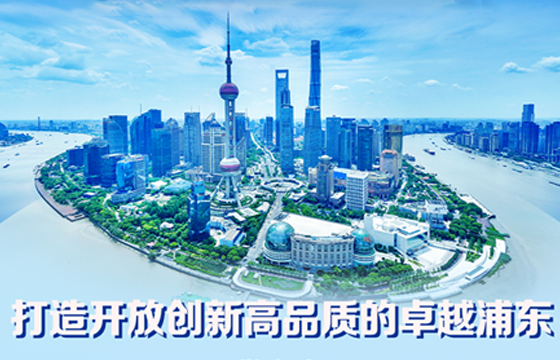
This year marks the 35th anniversary of Pudong’s development and opening-up, the 5th anniversary of the important speech delivered at the celebration of its 30th anniversary, and the final year of the 14th Five-Year Plan. Pudong’s development and opening-up is a trans-century national strategy. Through pioneering and experimental efforts, it has become a trailblazer in reform and opening-up and a pioneer in innovation and development. From what was once farmland, a modern new city with concentrated functions, complete elements, and advanced facilities has been built. In 2024, its regional GDP reached 1.78 trillion yuan, with a per capita GDP of 43,100 US dollars. Accounting for just 1/8000 of the nation’s land area, it generates 1/76 of the national GDP and 1/17 of the total national import and export volume, providing the most vivid demonstration of the strengths of the socialist system with Chinese characteristics…
-
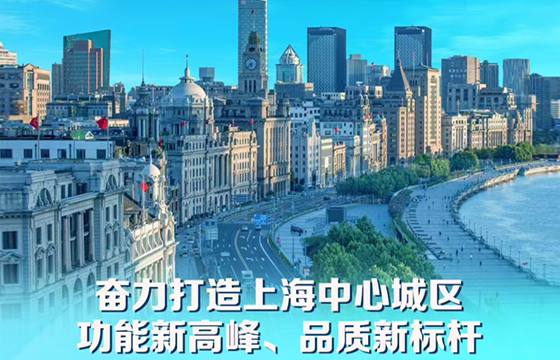
Huangpu District is the location of Shanghai’s economic, administrative, and cultural center. It has been positioned as the city’s “heart, window, and name card.” Since the start of the 14th Five-Year Plan period, focusing on building a core leading district and the development theme of “new peaks in function and new benchmarks in quality,” the district has fully promoted high-quality development, the creation of a high-quality life, and efficient governance. The district’s development capacity and comprehensive competitiveness have steadily improved. By the end of 2024, Huangpu’s regional GDP reached 334.4 billion yuan, with an average annual comparable growth of about 4.5% in the first four years of the 14th Five-Year Plan period. Its economic density reached 16.3 billion yuan per square kilometer, ranking first in the city and among the top nationally. District-level general public budget revenue reached 29.9 billion yuan, with an average annual growth of over 6%…
-
-
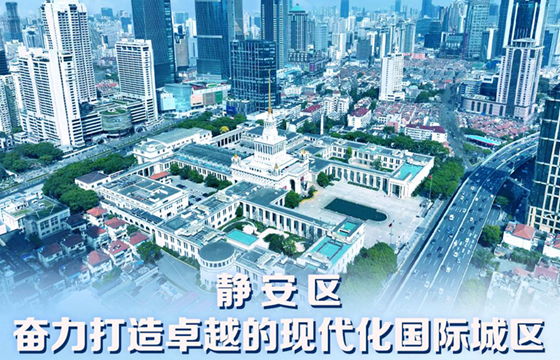
As a core area of Shanghai’s central city, Jing’an District has a high degree of internationalization, a concentration of high-end factors, a developed service economy, and has long been at the forefront of the city’s regional economic and social development. The 14th Five-Year Plan period has been an extraordinary five years in Jing’an’s development process. In accordance with requirements, and focusing on the goal of “accelerating the construction of an outstanding modern international district,” the district has coordinated the advancement of high-quality development, high-level reform and opening-up, a high-quality life, and efficient governance, striving to create a district-level model for Chinese modernization…
-
-
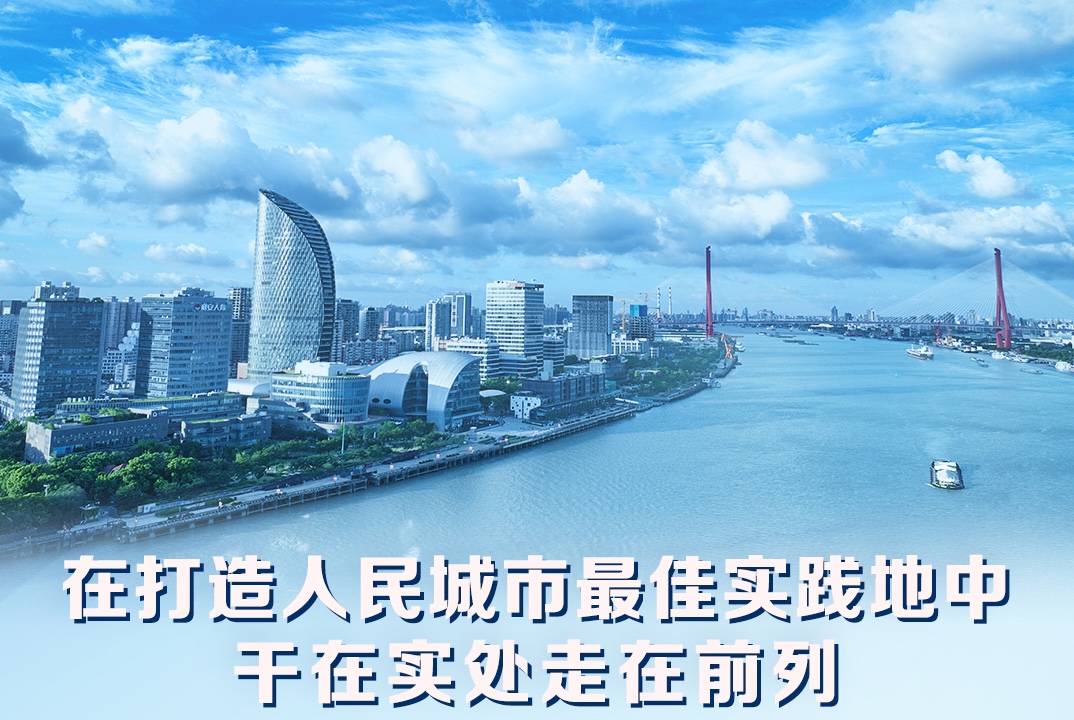
Prioritizing livable and secure housing. Efforts to intensify urban renewal and accelerate the pace of relocation and renovation have continued. Three goals were achieved and three levels were ascended within five years: the comprehensive renovation of substandard old housing was completed in 2022, the final tasks for renovating ‘small beam thin slab’ housing were accomplished in 2024, and this year saw the historical exit of housing without private toilets. Over these five years, a total of 421,000 square meters of old housing has been relocated and renovated, helping over 20,000 households realize their dreams of “livable” and “secure” housing. At the same time, concepts such as heritage protection, all-age friendliness, park cities, and resilient safety have been integrated into urban renewal, jointly promoting the construction of beautiful homes, beautiful streets, and 15-minute community living circles, striving to allow the people of Yangpu to enjoy the benefits of modern urban life…</p
Pudong
Pudong is a district in Shanghai, China, situated east of the Huangpu River. Once largely agricultural land, it was designated as a special economic zone in the 1990s and rapidly transformed into a global financial hub, symbolized by its iconic skyline featuring the Oriental Pearl Tower and Shanghai Tower.Huangpu District
Huangpu District is the historic and administrative heart of Shanghai, China, encompassing the original walled city and the famed Bund waterfront. Its history dates back centuries as a settlement, but it developed rapidly in the 19th and early 20th centuries as the center of foreign concessions and international trade. Today, it is a major financial and commercial hub, where colonial-era architecture along the Bund contrasts with the modern skyscrapers of Lujiazui across the Huangpu River.Jing’an District
Jing’an District is a central urban district of Shanghai, China, known for its modern skyscrapers, luxury shopping, and the historic Jing’an Temple. The district’s namesake temple, originally built in 247 AD, was relocated to its current site in 1216 during the Song Dynasty. Today, the area symbolizes Shanghai’s blend of ancient Buddhist heritage with its rapid development as a global financial hub.Yangpu
Yangpu is a district in northeastern Shanghai, historically known as an early industrial hub and the site of China’s first modern waterworks. It is now a major center for education and innovation, anchored by Fudan University and Tongji University. The district’s waterfront along the Huangpu River, including the Yangpu Bridge, showcases its transformation from industrial docks to a modern public space.