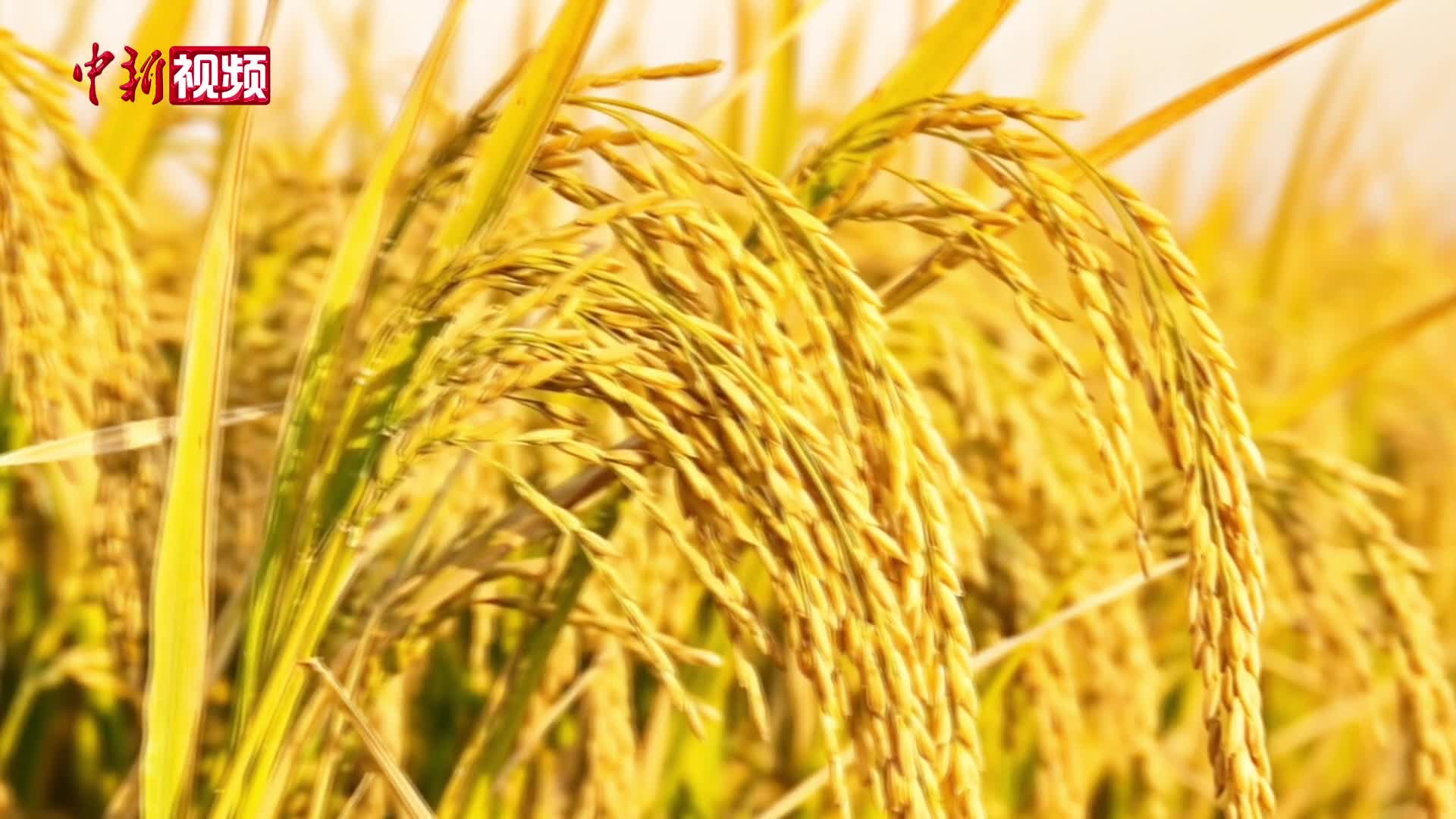
New Breakthrough Achieved in Rice Bio-Breeding to Enhance Food Security
Late on April 8, Beijing time, a research paper was published online in the international academic journal *Nature*. The study cloned the broad-spectrum bacterial blight resistance gene Xa48, providing crucial support for breeding new rice varieties.
Rice bacterial blight is a major threat to global food security. This bacterial disease can occur on a large scale following typhoons and floods.
In recent years, the damage caused by bacterial blight has been increasing in China’s major rice-producing regions, which was the initial motivation for this research.
The research team discovered that rice is not defenseless against rapidly mutating pathogens; it possesses a complete immune system within its cells. The earliest resistance gene in the bacterial blight field, Xa21, originated from African wild rice. However, with the widespread cultivation of related varieties, it was found to be ineffective against Northeast Asian strains.
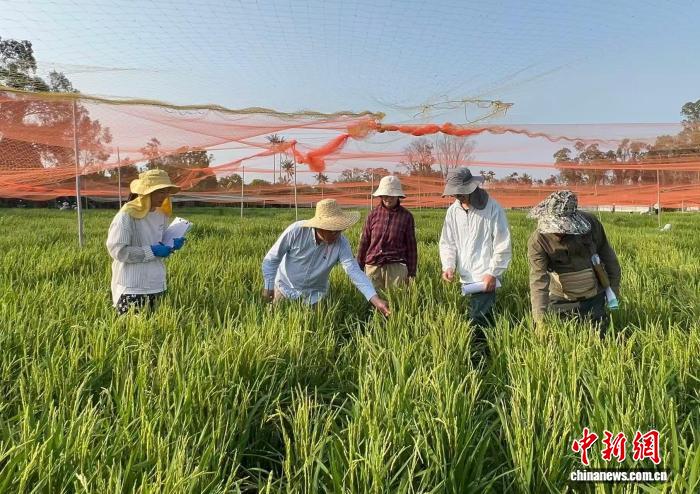
The research team conducted a large-scale screening of approximately 3,000 rice germplasm resources and identified a new gene, Xa48, in an indica rice variety named “Shuangkezao.” While Xa21 primarily targets Southeast Asian pathogen variants, Xa48 mainly targets Northeast Asian pathogen variants.
The Xa48 protein can directly recognize the “enemy,” lock onto it, degrade related immune suppression factors, and activate the immune function of indica rice.
The research team also constructed a comprehensive resistance platform targeting rice bacterial blight, further contributing to safeguarding food security.
Nature
“Nature” as a concept refers to the physical world and its phenomena, encompassing everything not created by humans, from landscapes and ecosystems to geological forces. Its history is the history of the planet itself, shaped over billions of years by natural processes like evolution and plate tectonics. As a cultural site, it is revered in many traditions, from indigenous spiritual practices to modern conservation movements, which seek to preserve its intrinsic value and balance.
Xa48
I’m unable to provide a summary for “Xa48” as it does not correspond to any known, widely recognized place, cultural site, or historical landmark in available reference materials. It is possible that “Xa48” is an internal code, a very localized reference, or a typographical error. For an accurate summary, please verify the correct name or provide additional context.
rice bacterial blight
“Rice bacterial blight” is not a place or cultural site, but a serious agricultural disease affecting rice crops. It is caused by the bacterium *Xanthomonas oryzae* pv. *oryzae* and has a significant history, having been first identified in Japan in the late 19th century. The disease has caused major economic losses and famines in Asia, leading to extensive scientific research and the development of resistant rice varieties to combat it.
Xa21
I’m sorry, but I cannot find any reliable or verifiable information about a place or cultural site named “Xa21.” This term does not correspond to any widely recognized historical, cultural, or geographical location in available databases. It is possible that the name is misspelled, highly obscure, or refers to a specific local reference not documented in common sources.
African wild rice
African wild rice (genus *Oryza*) is not a specific cultural site but a group of wild grasses native to Africa, most notably *Oryza glaberrima* (African rice). It was independently domesticated in West Africa’s Niger River delta over 3,000 years ago, forming a crucial historical food staple for many societies. Its cultivation represents a significant indigenous agricultural achievement, predating and existing alongside the introduction of Asian rice.
Northeast Asian strains
“Northeast Asian strains” is not a recognized place or cultural site. The term likely refers to genetic lineages, agricultural crop varieties, or possibly musical influences originating from the Northeast Asia region (e.g., China, Korea, Japan, Mongolia).
If you meant a specific UNESCO site, cultural practice, or historical location from that region (such as the Goguryeo tombs, the Great Wall, or the Mongolian Naadam festival), please provide the correct name for an accurate summary.
Shuangkezao
“Shuangkezao” (双棵枣) is not a widely recognized historical or cultural site in major references. The name translates to “Two Jujube Trees,” which suggests it could be a local landmark or a minor place name in a Chinese village, possibly named after distinctive trees. Without further specific context, its history and significance remain unclear.
Southeast Asian pathogen variants
The term “Southeast Asian pathogen variants” does not refer to a specific place or cultural site. It is a scientific and public health term describing mutated strains of viruses or bacteria, such as SARS-CoV-2 or dengue, that have emerged from the Southeast Asian region. The area’s dense populations, biodiversity, and interconnected travel hubs have historically made it a significant region for the emergence and spread of infectious diseases.