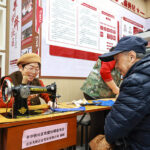
A minibus, carrying a family of 15, headed towards Beijing over 600 kilometers away. The journey not only fulfilled a mother’s dream but also left a precious memory for him and his family.
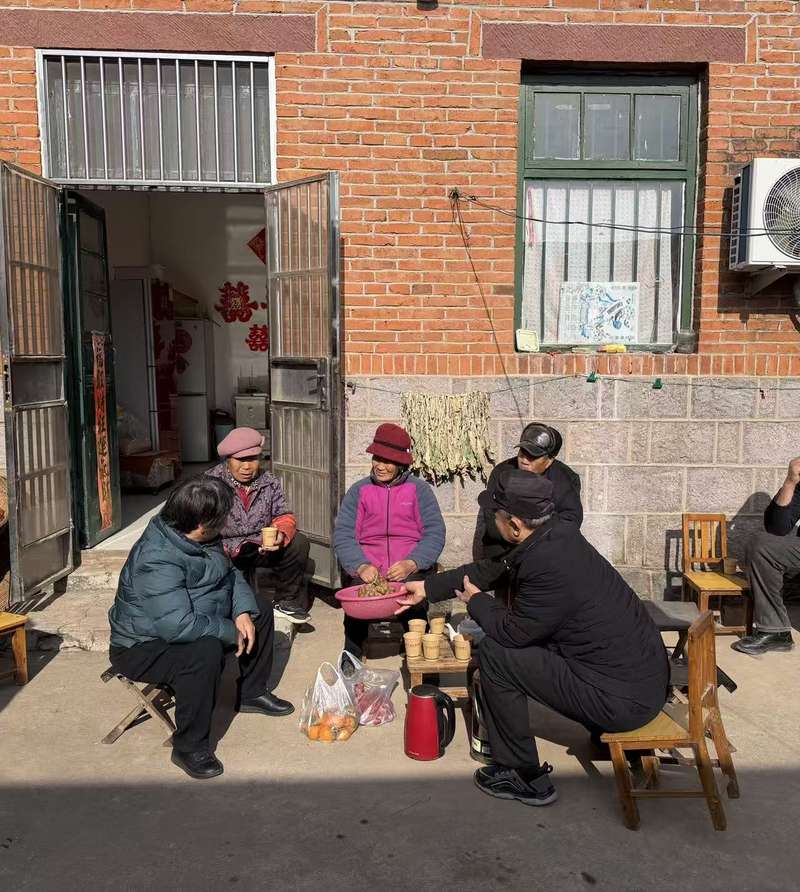
At 6 a.m. on the morning of the 28th day of the twelfth lunar month, as roosters began to crow and the village was still shrouded in the last vestiges of night, she had already gotten up and packed her bags. Born in 1948, this elderly woman had never left her village in her 78 years, let alone imagined embarking on a long journey just before the Spring Festival. A minibus would carry this large family to Beijing, over 600 kilometers away.
This was a meticulously planned trip, initiated by her son. He works in the local culture and tourism bureau and has traveled to many places far and wide, while his mother had never ventured far from home. “My mother is a very traditional rural woman. She always said she didn’t want to travel far, but deep down I knew she wanted to see the outside world.” After months of persuasion, his mother finally “reluctantly” agreed. To ensure his mother enjoyed herself to the fullest, he simply brought along every relative he could, forming a 15-member “Beijing-bound group.”
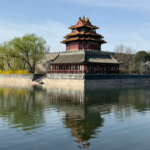
For his mother, aunt, and elder uncle’s wife—three elderly women—Beijing held the imagination of distant places from their youth. Tiananmen, the Forbidden City, the Great Wall, the Temple of Heaven… names only seen in textbooks and on television were finally about to become real scenery before their eyes. For him, the significance of this trip went far beyond that. “This kind of memory cannot be bought with money,” he said. “It’s very difficult for elderly people in rural areas to travel far ordinarily. If we hadn’t brought everyone to Beijing for the New Year this time, they might truly never have had the chance to visit Beijing in their lifetime.”
Over three days, they climbed the Great Wall, strolled along Qianmen Street, took photos in front of Tiananmen… On the afternoon of the third day of the Lunar New Year, the family returned home. Relatives and neighbors had already seen news about their trip on short-video platforms. “It’s so wonderful that you took your mother on this trip,” neighbors said enviously. He knew this journey had not only fulfilled his mother’s dream but also left a precious memory for himself and his family.
[The 28th Day of the Twelfth Lunar Month · Departure]
On the morning of the 28th day of the twelfth lunar month, after feeding the rabbits, chickens, puppy, and kittens at home and providing them with water, she locked the main gate, ready to board the minibus arranged by the travel agency. The early morning in the northern twelfth lunar month was still chilly. She, her sister, and her sister-in-law wore jujube-red coats, red scarves, and hats.
Born in 1948, this was her first time leaving the village. Her son said his mother is very conservative and traditional; leaving her hometown just before the Spring Festival was something she had never imagined. He persuaded his mother, “You’re still in good health now. If you don’t go out, you might not be able to walk well enough to see the outside world later.”
After months of persuasion, she finally “reluctantly” agreed to leave home.
What worried her most were the small animals at home. She also felt that “locking up the house for the New Year doesn’t look good.” However, his second uncle, hearing they were going to Beijing for the New Year, specially returned from Qingdao to look after the house, which finally alleviated her concerns.
Before departure, his second uncle, elder uncle, and aunt sat together discussing the trip to Beijing.
“It’s very difficult for elderly people in rural areas to travel far ordinarily. If we hadn’t brought everyone to Beijing for the New Year this time, my mother, aunt, and elder uncle’s wife might truly never have had the chance to visit Beijing in their lifetime.” He understood that Beijing was the top choice for a New Year trip because it holds the imagination of distant places from the older generation’s youth. His aunt, now 67, still vividly remembers songs about Beijing she learned as a child. For his mother, since her son often travels to Beijing on business, she roughly knew from his descriptions that Beijing is a bustling city.
On the bus, she was beaming with joy. “Happy! How could I