According to a report released by Thailand’s Department of Disaster Prevention and Mitigation on April 17, a total of 1,242 traffic accidents occurred during the seven-day Songkran Festival (April 10-16), resulting in 1,200 injuries and 242 deaths.
Thai authorities stated that although the Songkran Festival has ended, many people continue to travel or remain on vacation. It is necessary to continuously strengthen traffic safety management and awareness campaigns across all regions, strictly crack down on violations such as drunk driving and speeding, and properly handle assistance and follow-up care for accident victims and their families.
Relevant departments also call on the public to consciously abide by traffic rules and develop good driving habits, including wearing helmets, fastening seat belts, not driving under the influence, not speeding, and practicing courteous driving, to collectively reduce the casualties and social losses caused by traffic accidents.
Additionally, the Chinese Embassy in Thailand has recently issued travel precautions for the Songkran Festival period for those visiting Thailand.

Thoroughly prepare before your trip. Before departure, ensure your passport is valid for more than six months and shows no significant damage. Prepare your hotel booking confirmation in Thailand, return flight tickets, and cash for possible inspection. Fill out the arrival card truthfully upon entry and cooperate with customs checks. If carrying a drone, report it to the Thai government in advance. Do not carry or use e-cigarettes and related products. Purchase overseas travel insurance in advance for peace of mind.
Pay strict attention to traffic safety. In Thailand, traffic drives on the left side of the road. Cars and motorcycles share the road, so observe carefully when crossing streets and avoid weaving through traffic. Try to avoid using motorcycle taxis, tuk-tuks, or self-driving. If driving is necessary, ensure you hold a valid international driving permit or a Thai local license. For chartered or rental vehicles, use reputable companies and sign a contract. Always wear your seatbelt on tour buses. Do not drive under the influence of alcohol, speed, or ride in a vehicle with a drunk driver.
Attach great importance to water safety. When participating in water activities (such as snorkeling, swimming, etc.), strictly follow professional guidance, wear a life jacket in advance, familiarize yourself with equipment usage and emergency procedures, go with companions, and act within your capabilities. It is prohibited to catch or feed marine life, pick up or step on coral, and to smoke or discard cigarette butts, plastic products, and other garbage outside designated beach areas. Pay attention to red flag warnings on beaches; entering the water is strictly prohibited when red flags are raised. Do not enter hotel swimming pools during non-operating hours. Take good care of elderly companions and children.
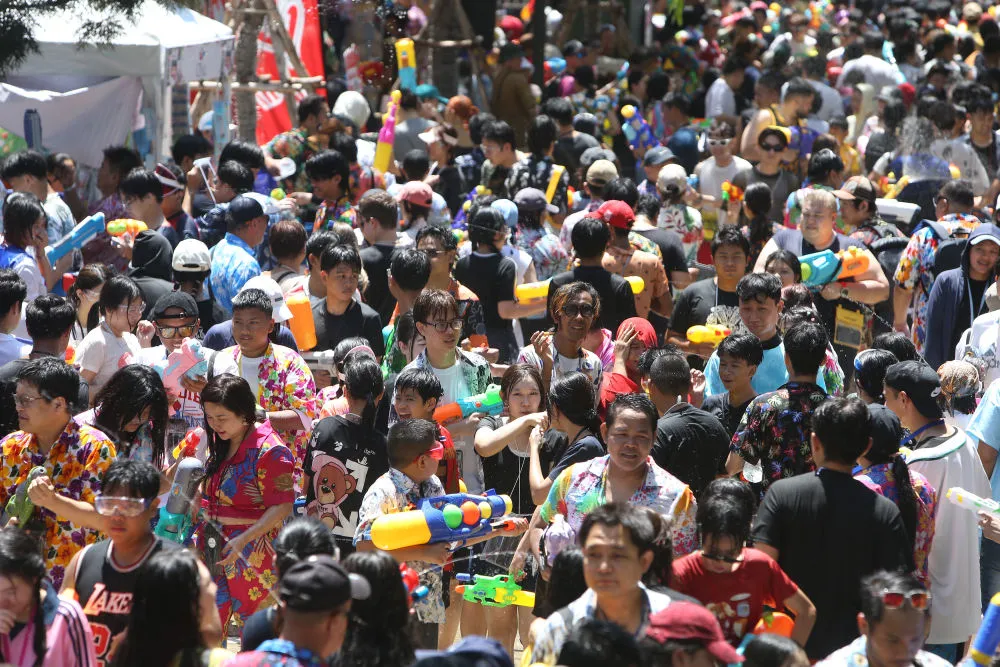
Participate in water-splashing activities civilly. When participating in water-splashing celebrations, do not splash water at special groups such as the elderly, pregnant women, infants, or police officers on duty, and do not splash water outside designated areas. According to Thai regulations, it is strictly prohibited to use unsanitary water sources, hot water, or ice for splashing, and high-pressure water guns should not be used. Take waterproof measures for your phone and documents. Be mindful of personal and property safety in crowded places and maintain heightened awareness. Keep communication lines open with family and friends during your travels.
Furthermore, as temperatures are high in Thailand during the Songkran Festival, please take precautions against heatstroke. Consider carrying electrolyte-containing drinks and stay hydrated. If symptoms like dizziness, nausea, or heatstroke occur, immediately move to a shaded area to cool down and seek medical help if necessary.
Relevant agency contact numbers:
Thai Police: 191
Thai Emergency Services: 1669
Thai Tourist Police Hotline: 1155 (Chinese language service available)
Chinese Embassy in Thailand Consular Protection: 02-245-7010
Chinese Consulate General in Chiang Mai Consular Protection: 081-882-3283
Chinese Consulate General in Songkhla Consular Protection: 081-766-5560
Chinese Consulate General in Khon Kaen