Wearing an outfit to explore a city: experiencing the cultural consumption upgrade behind the travel photography trend.
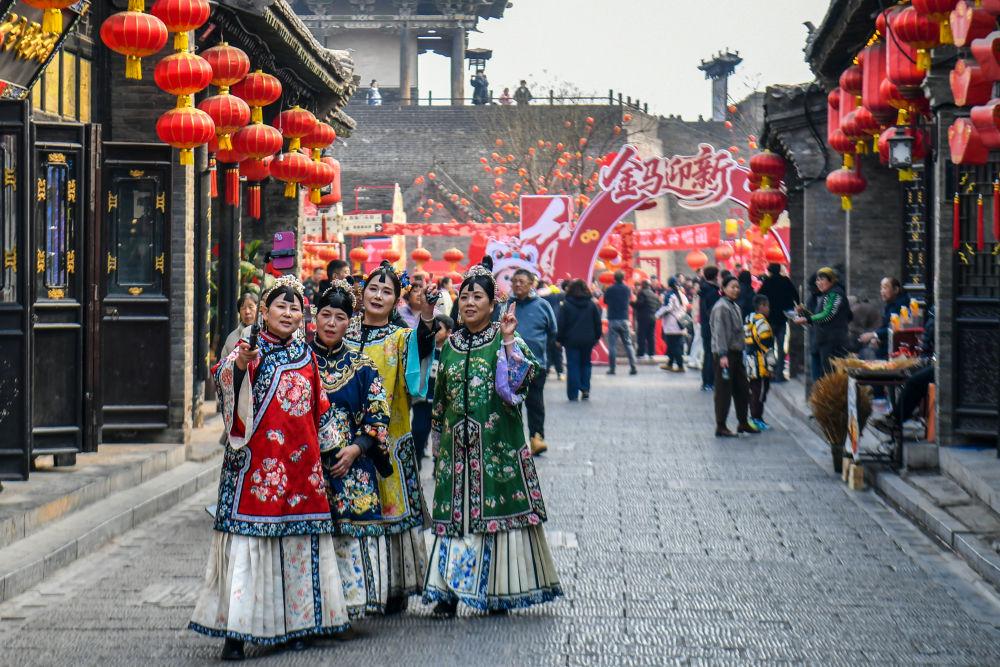
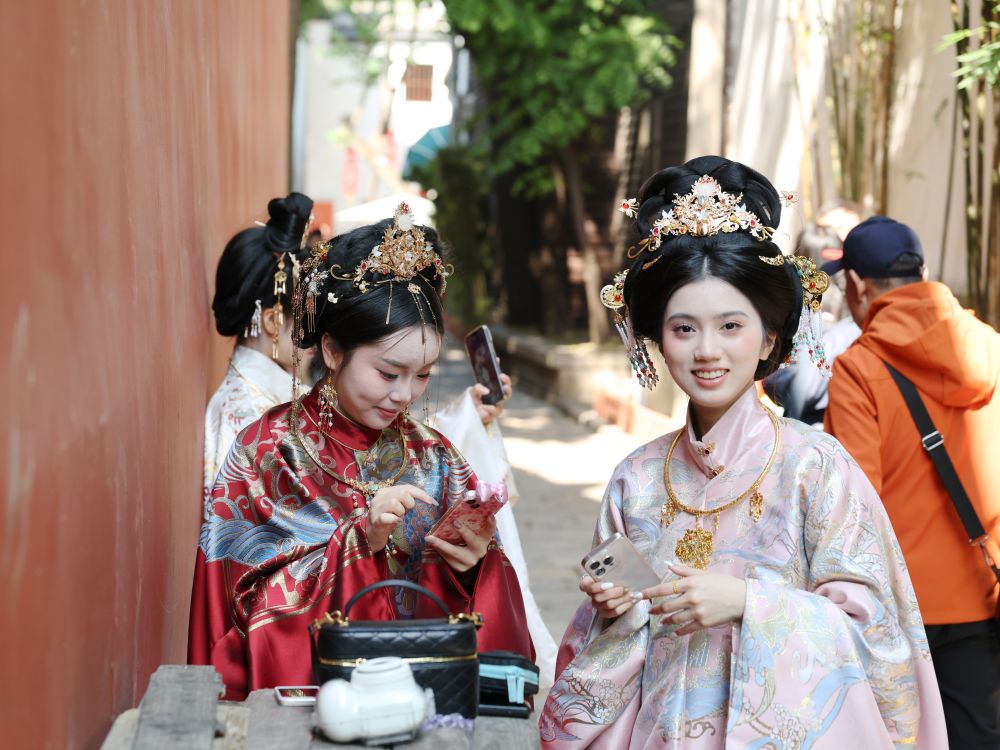
During the spring season in Shanxi’s Pingyao Ancient City, tourists dressed as “Jin merchants’ daughters” stroll gracefully along the blue stone paths; in Xi’an’s Tang Dynasty Ever-Bright City, flowing Tang-style skirts harmonize with red walls and yellow tiles; at Beijing’s Imperial Ancestral Temple, couples in Ming Dynasty Hanfu capture ancient-style moments under old trees… Currently, wearing distinctive attire while exploring a city has become a trendy cultural tourism experience.
According to data from Tianyancha, there are currently over 6,800 travel photography-related enterprises in China, with nearly 370 new ones added in the first quarter of this year, maintaining a monthly growth rate of over 51%. Sources from Pingyao County indicate that within Pingyao Ancient City alone, nearly 400 shops offer distinctive costume experience services, employing over 3,000 professionals including makeup artists, photographers, and retouchers. During peak season, a single store’s daily revenue can approach 100,000 yuan.
The manager of an ancient-style travel photography shop near Huayan Temple in Datong, Shanxi, said that during the Qingming Festival holiday, nearly a hundred tourists daily wore styles like “immortal costumes” and “donor outfits,” expecting even more orders for the May Day holiday. “Our average per-customer spending is about 500 yuan, and people are willing to pay for a good travel and photography experience.”
The unique charm of costumes from different dynasties and ethnic groups attracts tourists to continuously explore new looks. Zhang Ziyu, a tourist from Malaysia, booked a “Tang restoration” photoshoot in Datong, aiming to recreate Tang Dynasty makeup as accurately as possible—it was her fifth time experiencing costume styling in China.
“Experiencing the real clothing and accessories of ancient Chinese people feels like traveling back to that historical era,” Zhang said. Dressing up while visiting scenic spots helps her better connect with local culture.
According to Meituan data, travel photography orders doubled during peak periods in 2025. During the 2026 New Year holiday, Meituan’s ethnic costume travel photography transaction volume increased by 130% year-on-year.
Chen Qiyun, a university student from Shanxi, plans to visit Kashgar Ancient City in Xinjiang during the May Day holiday to experience Uyghur girls’ attire. “I watched a documentary about the craftsmanship of Atlas silk, so I really want to wear an Atlas silk dress and dance with locals,” she said. As an intangible cultural heritage enthusiast, Chen loves trying various ethnic costumes, and photos of her in different traditional outfits are among her most memorable travel experiences.
After getting elaborate makeup, wearing distinctive costumes, buying accessories like round fans and lanterns, hiring a professional photographer, and then visiting a themed teahouse or café after touring the scenic spot, tourists can spend an additional 300 yuan on the costume experience.
Today’s travel experience has shifted from seeing and hearing history to “
Pingyao Ancient City
Pingyao Ancient City, located in Shanxi Province, China, is a remarkably well-preserved Ming and Qing dynasty-era walled town dating back over 2,700 years. It served as a major financial hub in the 19th and early 20th centuries, home to China’s first modern banks, including Rishengchang. Today, it is a UNESCO World Heritage Site, offering visitors a vivid glimpse into traditional Chinese urban planning, commerce, and culture.
Tang Dynasty Ever-Bright City
The Tang Dynasty Ever-Bright City, also known as Chang’an, was the capital of the Tang Dynasty (618–907 AD) and one of the largest and most cosmopolitan cities in the ancient world. It was meticulously planned with a grid-like layout, featuring grand palaces, markets, and residential wards, serving as a hub for trade along the Silk Road. Today, its historical significance is preserved in Xi’an, where remnants like the city walls and Daming Palace ruins offer glimpses into its glorious past.
Imperial Ancestral Temple
The Imperial Ancestral Temple, located in Beijing just east of the Forbidden City, is a historic complex where emperors of the Ming and Qing dynasties performed solemn ceremonies to honor their ancestors. Built in 1420 during the Ming Dynasty, it is one of the most complete and well-preserved ancient sacrificial buildings in China. Today, it serves as a museum and public park, offering insight into traditional Chinese ritual culture and imperial history.
Huayan Temple
Huayan Temple, located in Datong, Shanxi Province, China, is a renowned Buddhist temple first built during the Liao Dynasty (1038 AD). It is famous for its well-preserved Liao-era architecture, including the Grand Hall (Dasheng Bao Hall) and the Sutra Library, which house impressive clay sculptures and ancient Buddhist scriptures. The temple is a key example of Liao and Jin dynasty religious art and architecture, reflecting the cultural fusion of that period.
Kashgar Ancient City
Kashgar Ancient City, located in the Xinjiang region of China, is a historic Silk Road oasis with over 2,000 years of history, serving as a vital crossroads for trade, culture, and religion between East and West. Its labyrinthine alleys, traditional Uyghur architecture, and bustling bazaars reflect a rich blend of Central Asian and Islamic influences, shaped by centuries of merchants, travelers, and conquerors. Today, the ancient city remains a vibrant cultural hub, preserving its heritage while facing modern restoration efforts to maintain its unique character.
Shangxiahang traditional neighborhood
Shangxiahang is a historic traditional neighborhood in Fuzhou, China, known for its well-preserved Ming and Qing dynasty architecture and unique “hillside buildings” built along narrow, sloping alleyways. Originally a commercial and cultural hub along the Min River, the area flourished as a center for trade, guilds, and local opera during the late imperial period. Today, it has been revitalized as a cultural heritage site, offering visitors a glimpse into old Fuzhou’s daily life and architectural traditions.