Hankyu Umeda Main Store
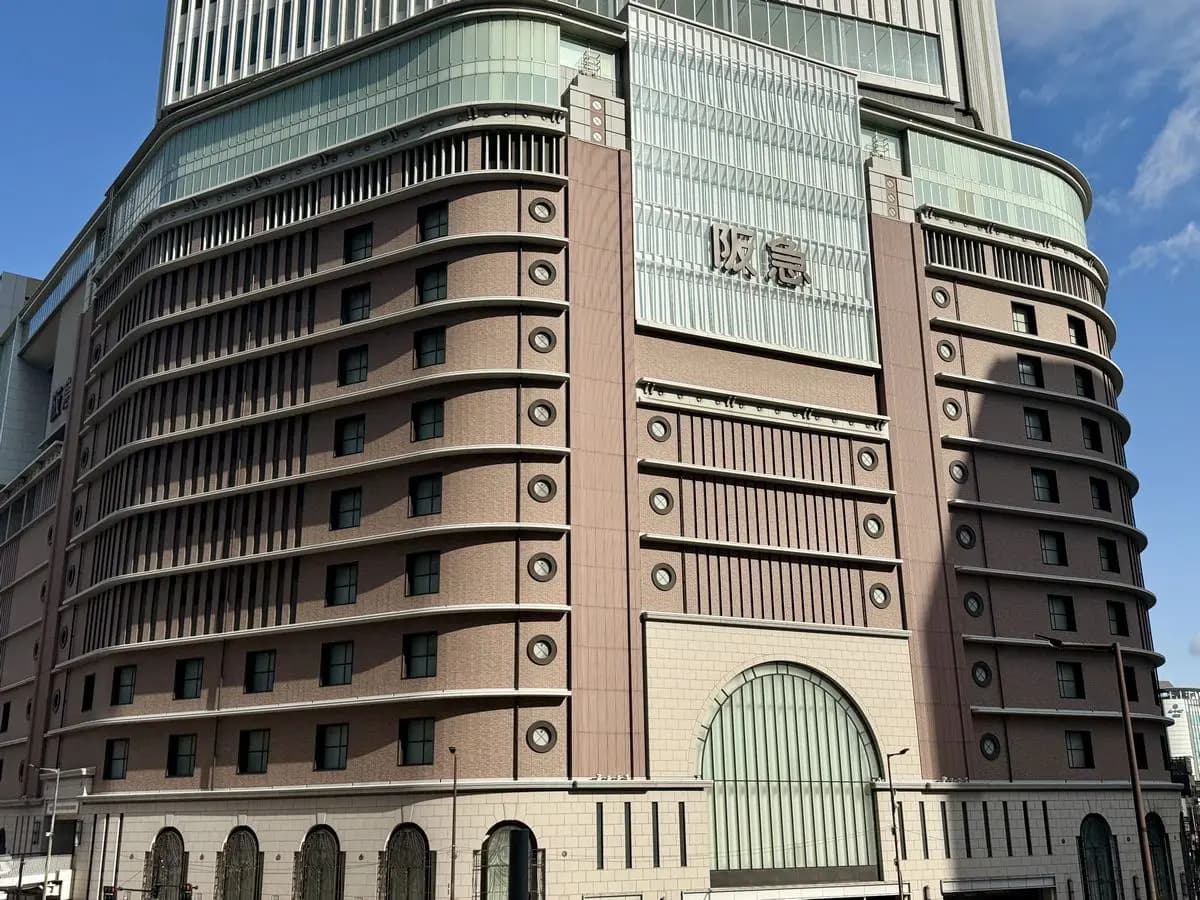
The Hankyu Umeda Main Store is a historic department store in Osaka, Japan, which first opened in 1929 as part of the Hankyu Railway’s terminal development. It is considered one of the country’s first terminal department stores, built to directly serve train commuters and drive urban commercial growth. Today, it remains a landmark shopping destination in the bustling Umeda district, known for its high-end goods and food hall.
Contemporary Art Gallery
The Contemporary Art Gallery is a modern exhibition space dedicated to showcasing works from the mid-20th century to the present day, focusing on innovative and often experimental artistic practices. While the specific history of any individual gallery varies, such institutions typically emerged prominently in the post-World War II era, as cultural hubs for movements like Abstract Expressionism, Pop Art, and digital art. They serve as vital platforms for living artists and critical dialogue about current social and aesthetic issues.
Hankyu Men’s Osaka
Hankyu Men’s Osaka is a major department store located in the Umeda district, renowned as one of Japan’s leading retailers dedicated to men’s fashion and goods. It originated as part of the Hankyu Hanshin Department Stores group, which was founded by entrepreneur Ichizō Kobayashi, opening its first store in 1929. The men’s building, established to cater specifically to male clientele, reflects Osaka’s modern commercial history and its status as a hub for sophisticated urban shopping.
Toyonaka City
Toyonaka City is a residential and commercial city in northern Osaka Prefecture, Japan, which developed significantly as a suburb following the opening of the Hankyu Takarazuka Line in the early 20th century. Historically, it was an agricultural area known for its rice fields and is also the location of Osaka International Airport (Itami Airport), a major aviation hub since 1939. Today, it is home to Osaka University’s main campus and is known for its convenient urban living and green spaces like the Hattori Ryokuchi Park.
Kyoto
Kyoto served as Japan’s imperial capital for over a thousand years, from 794 to 1868, which allowed it to become the nation’s historical and cultural heart. Today, it is renowned for its exceptionally well-preserved temples, shrines, and traditional arts, such as the famous Fushimi Inari Shrine and Kinkaku-ji (the Golden Pavilion).
Osaka
Osaka is a major port city in western Japan, historically known as the nation’s merchant capital and a vital economic hub since ancient times. Its most famous landmark, Osaka Castle, was built in the 16th century by the powerful warlord Toyotomi Hideyoshi. Today, the city is celebrated for its modern architecture, vibrant street food culture, and districts like Dotonbori.
Castella Ginsou Shinsaibashi Main Store
The Castella Ginsou Shinsaibashi Main Store is a renowned confectionery shop in Osaka, Japan, famous for its signature „castella“ sponge cakes. It was established in 1948, drawing on the tradition of *kasutera*—a sponge cake introduced to Japan by Portuguese merchants in the 16th century—and has become a beloved local institution known for its high-quality, traditional sweets.
Tsuboichi Seicha Honpo
Tsuboichi Seicha Honpo is a historic tea company in Uji, Kyoto, Japan, renowned for producing high-quality matcha and green tea. Founded in 1832, it has been operating for nearly two centuries, deeply involved in the cultivation and traditional processing methods of Uji tea, one of Japan’s most celebrated tea-producing regions. The company represents a longstanding commitment to preserving the art and cultural heritage of Japanese tea.