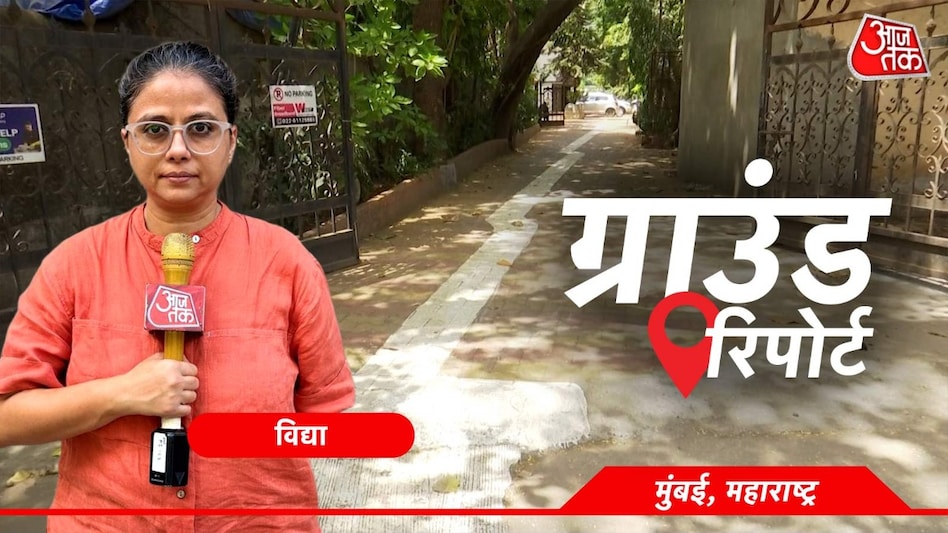
A white line drawn in the Kailas Avenue Housing Society in Ghatkopar, Mumbai, to facilitate the movement of Jain monks has become a source of controversy. Some residents say religious symbols should not be used in shared spaces, while members of the Jain community describe it merely as a convenient arrangement. Disagreements over the issue have escalated within the society.
Kailas Avenue Housing Society
Kailas Avenue Housing Society is a residential colony located in Kolkata, India, known for its mid-20th-century architecture and planned layout. Developed in the 1950s, it was one of the city’s early cooperative housing societies, reflecting the post-independence urban expansion and middle-class housing aspirations. The society’s tree-lined avenues and community-centric design preserve a sense of Kolkata’s historical suburban development.
Ghatkopar
Ghatkopar is a residential and commercial suburb in eastern Mumbai, India, with a history dating back to the early 20th century when it developed as a railway town. Originally a small village, it grew rapidly after the construction of the Ghatkopar Railway Station in 1907, connecting it to Mumbai’s suburban network. Today, it is known for its vibrant markets, diverse population, and landmarks like the Ghatkopar Fort and the nearby Powai Lake.
Mumbai
Mumbai, formerly known as Bombay, is a major port city on India’s west coast and the country’s financial and entertainment capital. Originally a group of seven islands inhabited by fishing communities, it was ceded to the British East India Company in 1661 and later developed into a bustling colonial trade hub. Today, Mumbai is a vibrant metropolis known for its iconic landmarks like the Gateway of India, Bollywood film industry, and a rich cultural tapestry shaped by centuries of migration.
Kailas Avenue Housing Society
Kailas Avenue Housing Society is a residential neighborhood located in Kolkata, India, originally developed in the mid-20th century. It is known for its planned layout and tree-lined avenues, reflecting the city’s post-independence urban expansion. The society has a diverse community and stands as a modest example of organized housing development in the region.
Ghatkopar
Ghatkopar is a suburban neighborhood in eastern Mumbai, India, with a history dating back to the 18th century when it was a small fishing and agricultural village. It developed rapidly in the late 20th century, transforming into a densely populated residential and commercial hub. Today, Ghatkopar is known for its bustling markets, cultural diversity, and as a key transit point on Mumbai’s suburban railway network.
<
Kailas Avenue Housing Society
Kailas Avenue Housing Society is a residential colony located in Kolkata, India, developed in the mid-20th century as part of the city’s westward expansion. It was established to provide modern, planned housing for the growing middle class, reflecting the post-independence urban development trends in the region. The society is known for its tree-lined avenues and community-oriented layout, contributing to Kolkata’s suburban residential landscape.
Ghatkopar
Ghatkopar is a residential and commercial suburb located in the eastern part of Mumbai, India, with a history dating back to the early 20th century when it developed as a railway town. It was originally part of the Portuguese territories before being ceded to the British, and its growth accelerated after the construction of the Ghatkopar railway station in the 1870s. Today, it is known for its diverse population, bustling markets, and cultural landmarks like the Ghatkopar Hill and the nearby Powai Lake.
Mumbai
Mumbai, formerly known as Bombay, is a major port city on India’s west coast and the capital of the state of Maharashtra. Originally a collection of seven islands inhabited by fishing communities, it was ceded to the British East India Company in 1661 and rapidly grew into a key trading hub. Today, it is India’s financial, commercial, and entertainment capital, home to Bollywood and a bustling, diverse population.
Ghatkopar Railway Station
Ghatkopar Railway Station is a key suburban railway hub on the Central Line of the Mumbai Suburban Railway, located in the eastern suburb of Ghatkopar, Mumbai. It was built during the British colonial era as part of the Great Indian Peninsula Railway, which connected Mumbai to the rest of India, and has since evolved into a major transit point. Today, it serves as a vital interchange with the Mumbai Metro, reflecting the area’s growth from a quiet village into a bustling residential and commercial district.
Ghatkopar Fort
Ghatkopar Fort, also known as Ghatkopar Hill Fort, is a small, ruined fortification located in the suburb of Ghatkopar in Mumbai, India. Its history is not extensively documented, but it is believed to have been built during the Maratha Empire or earlier, possibly serving as a watchtower or a defensive outpost to guard the ancient trade routes through the hills. Today, the fort lies in a state of disrepair, with only remnants of its stone walls and steps remaining, and it is a popular spot for local trekkers seeking a quick nature escape.
Powai Lake
Powai Lake is an artificial lake located in the Mumbai suburb of Powai, India, originally built in 1891 by the British to supply water to the city. Over time, its purpose shifted, and it became a popular spot for recreation and wildlife observation, though it has faced challenges from pollution and encroachment. Today, it remains a scenic landmark surrounded by residential and commercial development, offering a green oasis in the bustling metropolis.
Gateway of India
The Gateway of India is a historic arch monument built in Mumbai in 1924 to commemorate the visit of King George V and Queen Mary to India. It stands on the waterfront in the Apollo Bunder area and served as the ceremonial entrance for British viceroys and governors. Today, it is a major tourist attraction and a symbol of Mumbai’s colonial past and vibrant culture.
Bollywood
Bollywood is the informal name for the Hindi-language film industry based in Mumbai, India, and is one of the largest centers of film production in the world. Its history dates back to the early 20th century, with the release of India’s first sound film, *Alam Ara*, in 1931, which launched a vibrant era of musical storytelling. Over the decades, Bollywood has evolved into a global cultural phenomenon, known for its colorful song-and-dance sequences, dramatic narratives, and massive influence on Indian society and diaspora communities.