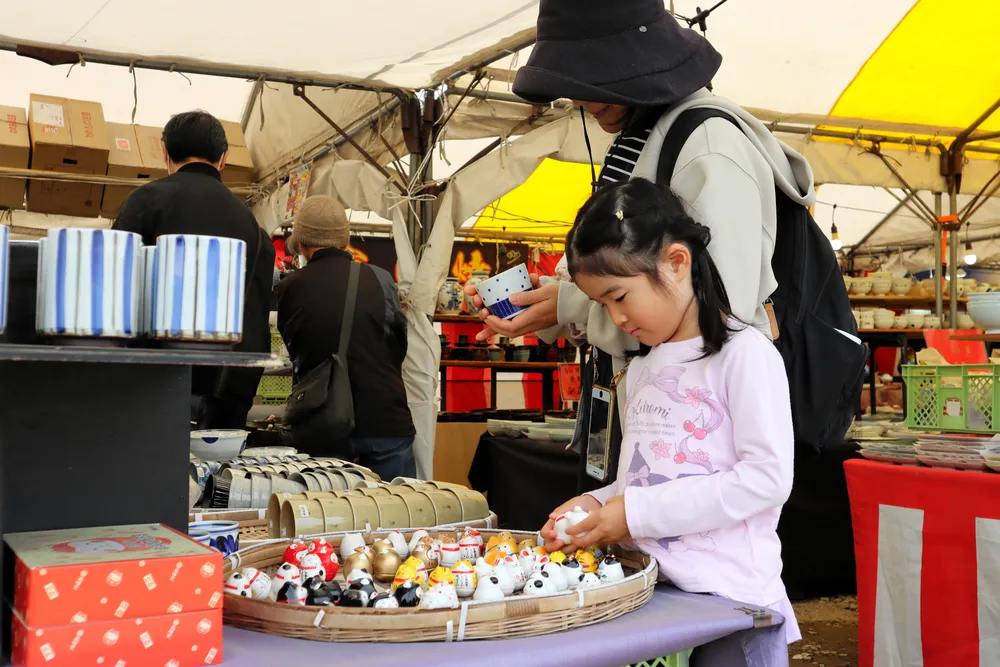
A “National Ceramics Festival” featuring pottery and porcelain from across Japan is being held at a special venue in front of Tonden Park (Tonden 8-6) in Kita-ku, Sapporo, until the 21st. Visitors are carefully examining items such as Shigaraki ware (Shiga Prefecture) and Arita ware (Saga Prefecture)…
National Ceramics Festival
The National Ceramics Festival is an annual event in Japan, typically held in the historic pottery town of Arita, Saga Prefecture, celebrating the region’s rich porcelain heritage dating back to the 17th century. It showcases exquisite ceramics from local kilns and artisans, offering visitors a chance to view, purchase, and even try their hand at pottery-making. The festival highlights the enduring legacy of Arita ware, which has been influenced by Korean and Chinese techniques and traded globally for centuries.
Tonden Park
Tonden Park is a historical site in Sapporo, Japan, originally established in the late 19th century as a military settlement for the Tondenhei, farmer-soldiers who helped develop and defend Hokkaido. Today, the park preserves remnants of that era, including a restored farmhouse and a museum, offering visitors insight into the region’s pioneering history and the unique lifestyle of these settlers. It serves as both a peaceful recreational area and an educational cultural landmark.
Shigaraki ware
Shigaraki ware is a traditional form of Japanese pottery originating from the Shigaraki region in Shiga Prefecture, with a history dating back to the Kamakura period (1185–1333). It is renowned for its rustic, unglazed stoneware featuring natural ash glazes, warm earthy tones, and occasional marks from the kiln’s fire. Originally used for everyday items like jars and tea utensils, Shigaraki ware gained cultural prominence through its association with the Japanese tea ceremony.
Arita ware
Arita ware is a style of Japanese porcelain that originated in the early 17th century in the town of Arita, Saga Prefecture. It began after Korean potters introduced porcelain-making techniques to the region, and it flourished as a major export to Europe through the Dutch East India Company. Today, Arita ware is celebrated for its delicate hand-painted designs, often featuring blue-and-white or vibrant overglaze enamel patterns.
National Ceramics Festival
The National Ceramics Festival is an annual event in Japan that celebrates the country’s rich pottery and ceramics heritage, often held in historic pottery centers like Arita or Seto. Originating from centuries-old traditions of Japanese porcelain and stoneware, the festival showcases both traditional techniques and modern innovations through exhibitions, workshops, and sales. It serves as a vibrant cultural gathering that honors the craftsmanship and artistic legacy of Japanese ceramics, attracting artisans and visitors from around the world.
Tonden Park
Tonden Park is a historic site located in Sapporo, Japan, originally established in the late 19th century as a military settlement for the Tondenhei, a group of farmer-soldiers who helped develop and defend Hokkaido. The park now serves as a public green space, featuring remnants of the original settlement such as a restored farmhouse and a museum that showcases the area’s agricultural and military history. It offers visitors a peaceful retreat with walking paths and educational exhibits about the region’s pioneering past.
Shigaraki ware
Shigaraki ware is a traditional form of Japanese pottery originating from the Shigaraki region in Shiga Prefecture, with a history dating back to the Kamakura period (1185–1333). Known for its rustic, earthy appearance and natural ash glazes, it was historically used for everyday items like jars and tea ceremony utensils. Today, Shigaraki is especially famous for its production of tanuki (raccoon dog) statues, which are considered lucky charms throughout Japan.
Arita ware
Arita ware refers to a style of Japanese porcelain that originated in the early 17th century in the town of Arita, Saga Prefecture. Its development was spurred by the discovery of kaolin clay in the region, and it became highly prized both domestically and internationally, with exports to Europe through the Dutch East India Company. Known for its intricate blue-and-white designs and later colorful overglaze enamels, Arita ware remains a celebrated symbol of Japanese ceramic artistry.