Shin
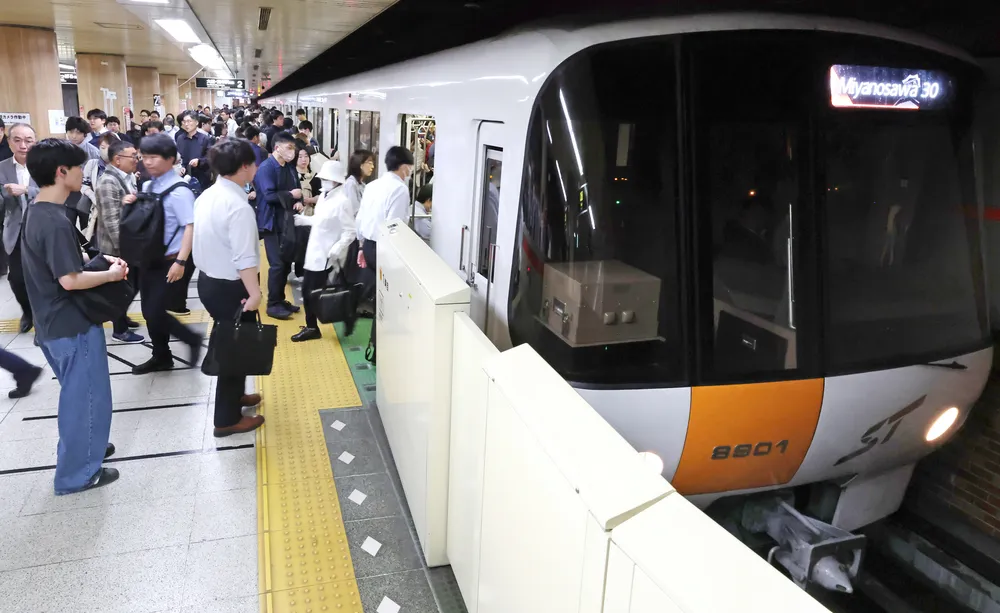
Sapporo Municipal Subway Tozai Line
The Sapporo Municipal Subway Tozai Line is one of three subway lines serving Sapporo, Japan, and it opened on June 10, 1976. Running from Miyanosawa Station in the west to Shin-Sapporo Station in the east, it was built to accommodate the city’s growing population and to provide efficient transportation for the 1972 Winter Olympics. The line features rubber-tired trains and is known for its distinctive orange color on transit maps.
Kotoni Shrine
Kotoni Shrine is a Shinto shrine located in Sapporo, Hokkaido, Japan, with a history dating back to the late 19th century. It was established in 1878 to enshrine the deity protecting the Kotoni area, which was originally a rural settlement before becoming part of Sapporo’s urban expansion. The shrine remains an important local spiritual site, hosting annual festivals and serving as a place for community worship and cultural traditions.
Shiroishi Castle
Shiroishi Castle is a historic Japanese castle located in Shiroishi, Miyagi Prefecture, originally built in the early 17th century by the Date clan. It served as a key strategic stronghold during the Edo period and is famously associated with the story of the “47 Ronin,” as the castle was the residence of the lord Kira Yoshihisa. Today, the reconstructed castle stands as a museum and cultural symbol, offering visitors a glimpse into Japan’s feudal past.
Ōshū Kaidō
Ōshū Kaidō was one of the five major highways of Edo-period Japan, connecting Edo (modern-day Tokyo) to the northern provinces of Honshu, including present-day Aomori Prefecture. Established during the early 17th century, it served as a crucial route for feudal lords, samurai, and travelers, featuring post stations that provided lodging and supplies. Today, sections of the historic road are preserved as cultural landmarks, offering insight into Japan’s feudal travel and communication network.
Namboku Line
The Namboku Line is a subway line in Sapporo, Japan, operated by the Sapporo City Transportation Bureau. It opened in 1971 as the city’s first subway line, connecting the northern and southern parts of the city, and played a key role in Sapporo’s urban development, especially for the 1972 Winter Olympics. The line is known for its unique rubber-tired trains and serves major hubs like Sapporo Station and Makomanai.
Tokyo Metro
The Tokyo Metro is the primary rapid transit system serving Tokyo, Japan, and is one of the busiest subway networks in the world. It began operations in 1927 with the opening of the Ginza Line, the first subway line in East Asia, connecting Asakusa and Ueno. Today, the network comprises nine lines operated by Tokyo Metro Co., Ltd., and is essential for navigating the sprawling metropolis, carrying millions of passengers daily.
Saitama Rapid Railway
The Saitama Rapid Railway is a 12.2-kilometer (7.6-mile) line in Japan that connects Akabane-Iwabuchi Station in Tokyo to Urawa-Misono Station in Saitama Prefecture. Opened in 2001, it was built primarily to improve access to the Saitama Stadium area and to relieve congestion on other commuter lines. The railway is notable for being the first in Japan to use a linear motor propulsion system, allowing for quieter and more efficient operation through its tunnels and urban areas.
Tokyu Meguro Line
The Tokyu Meguro Line is a railway line in Tokyo, Japan, operated by Tokyu Corporation, connecting Meguro Station in Shinagawa to Hiyoshi Station in Yokohama. Opened in stages starting in 1923, it was originally built to serve the growing suburbs along the Meguro River. Today, the line is a vital commuter route, offering direct connections to the Tokyo Metro and other lines, and is known for its scenic views and access to popular neighborhoods like Nakameguro.