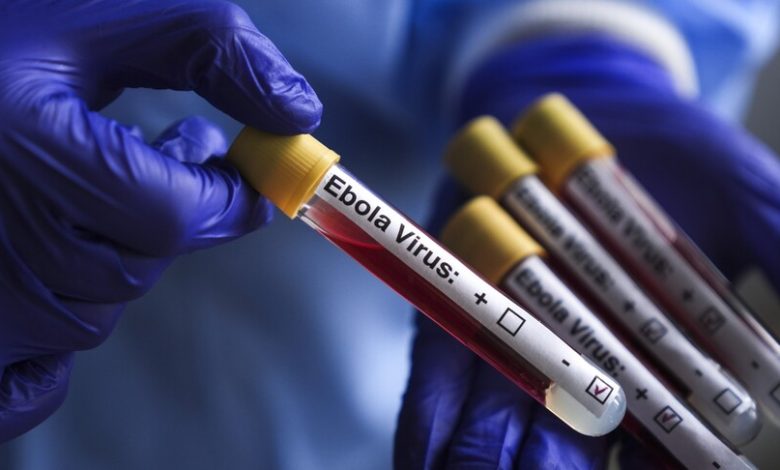
The town of Nanyuki in Kenya’s Laikipia County witnessed protests involving hundreds of citizens objecting to a proposed American plan to establish a quarantine facility dedicated to monitoring American citizens exposed to the Ebola virus in areas experiencing disease outbreaks in Africa.
The protests took place near the Laikipia Air Base, which has been discussed as a potential site for the facility. Participants expressed concerns about the potential health impacts of the project and its implications for local communities, while Kenyan authorities reinforced their security presence in the area to ensure the protests proceeded peacefully.
These developments follow reports revealing an American proposal to create a quarantine center with a capacity of up to 50 beds to monitor individuals exposed to the Ebola virus who have not shown symptoms, during the incubation period, as part of preventive measures aimed at reducing the risk of transmission.
In a notable judicial development, the Kenyan High Court issued a decision temporarily suspending the project’s implementation until the legal cases filed against it are resolved. The ruling came in response to petitions from legal and civil organizations calling for a comprehensive review of the legal and health aspects of the project and its compliance with the Kenyan constitution and public health requirements.
According to information announced by American authorities, the proposed facility targets American citizens who were exposed to the virus while working or residing in areas experiencing Ebola outbreaks, particularly in the Democratic Republic of Congo and Uganda, where national, regional, and international efforts continue to contain the disease and limit its spread.
For its part, the Kenyan government confirmed that any arrangements related to the project will be subject to the legal, regulatory, and health frameworks in place in the country. It also emphasized that any decision regarding the facility will take into account national interests and public health safety requirements.
In the same context, the United States announced funding to support Kenya’s capabilities in epidemic preparedness and response, including strengthening health surveillance systems, developing medical infrastructure, and improving the efficiency of health personnel through specialized training and qualification programs.

The project has sparked broad debate within political, legal, and health circles in Kenya, with various parties calling for ensuring the highest levels of transparency in the decision-making process and conducting accurate assessments of potential risks. Meanwhile, supporters of the initiative view it as part of international cooperation efforts aimed at enhancing health preparedness and addressing cross-border epidemic threats.
These developments come as regional and international efforts continue to contain the Ebola virus outbreak in several Central and East African countries. According to Kenyan health authorities, the country has not recorded any confirmed cases of the virus so far, while surveillance and preparedness measures remain in place at border points and health facilities.
Legal proceedings related to the project are expected to continue in the coming period, as the public and concerned parties await the outcomes of the case and the final decisions that will determine the future of the proposed facility.


The National Council for Higher Education and Scientific Research issued Decision No. (83) of 2026, mandating all public and private higher education institutions to fully return to their original premises inside Sudan, with the closure of all temporary alternative centers established during the war.
The first of August 2026 was set as the maximum deadline for implementing the decision, with a threat to deprive any non-compliant entity of accepting new batches for the academic year 2026–2027. The decision was based on the Higher Education and Scientific Research Regulation Law of 2021 (Articles 7 and 9), in a