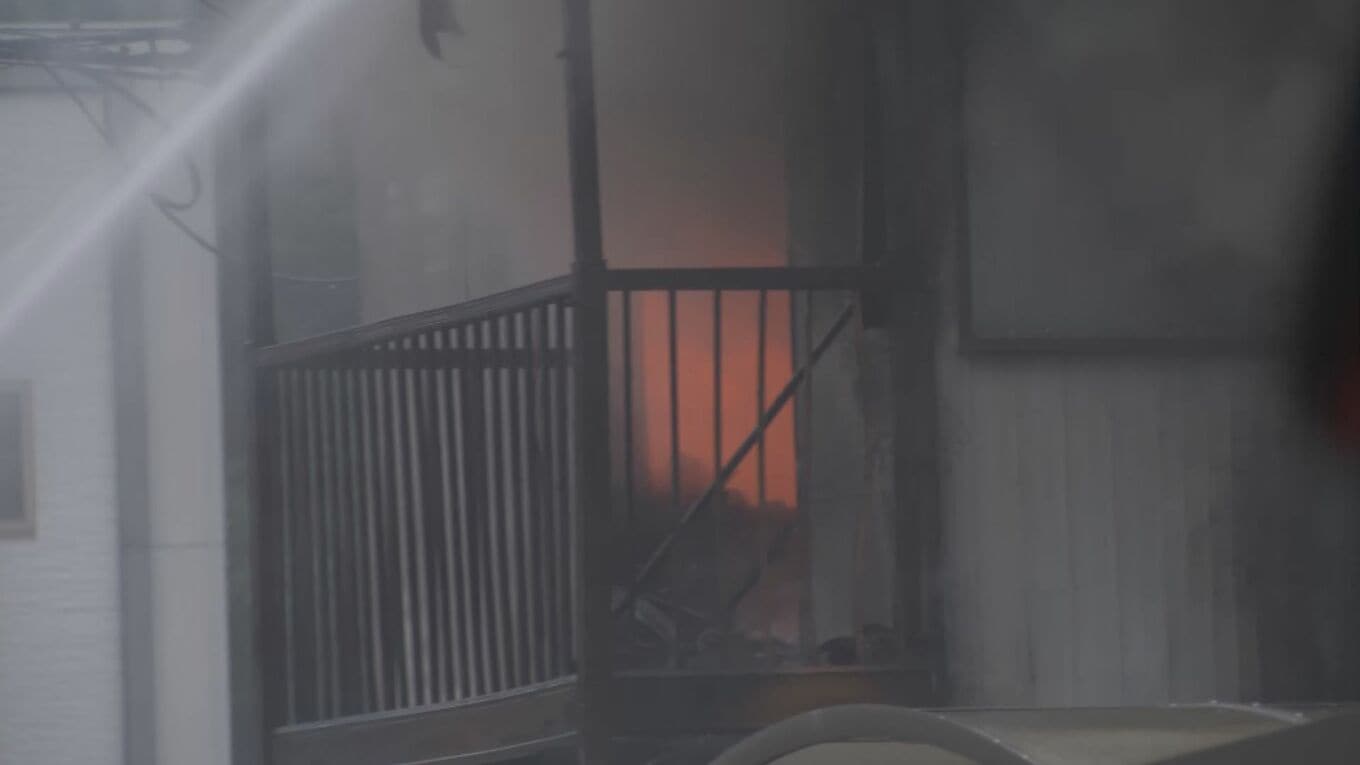
A man in his 50s from Showa Ward, Nagoya City, has been arrested for setting fire to his own home.
According to police, just after 6 p.m. yesterday, a fire broke out at a two-story wooden house in Gokiso 4-chome, Showa Ward, completely destroying the building.
A 23-year-old man living nearby inhaled smoke and was taken to the hospital with minor injuries. Police arrested 57-year-old unemployed suspect Takashi Nakakubo, who lived in the house where the fire started, on suspicion of arson.
Showa Ward
Showa Ward is a special ward located in Tokyo, Japan, known for its blend of residential areas and industrial zones. Established in 1947, it was formed through the merger of several towns and villages, and it played a significant role in Tokyo’s post-war reconstruction. The ward features cultural sites like the Showa Kinen Park, which offers green spaces and recreational facilities, reflecting its modern development.
Nagoya City
Nagoya City is a major port and industrial hub in Japan’s Aichi Prefecture, historically known as the birthplace of the powerful Tokugawa clan. The city flourished as a castle town during the Edo period, with Nagoya Castle, built in 1612, serving as a key symbol of its heritage. Today, it blends modern industry with cultural landmarks, offering attractions like the Tokugawa Art Museum and the bustling Osu shopping district.
Gokiso 4-chome
Gokiso 4-chome is a neighborhood located in Showa Ward, Nagoya, Japan. Historically, the area developed as part of Nagoya’s urban expansion during the 20th century, with its name reflecting the traditional “chome” subdivision system. Today, it is a primarily residential district, known for its quiet streets and proximity to local amenities like schools and parks.
Showa Ward
Showa Ward is one of the 23 special wards of Tokyo, Japan, known for its residential character and green spaces. Historically, the area was developed largely after the Great Kanto Earthquake of 1923, with significant growth during the Showa period (1926–1989), which gives the ward its name. Today, it features a mix of quiet neighborhoods, parks, and local cultural sites like the Showa Memorial Park.
Nagoya City
Nagoya City is a major industrial and cultural hub in central Japan, historically serving as the seat of the powerful Owari Tokugawa clan during the Edo period. Its most iconic landmark, Nagoya Castle, was built in 1612 by the warlord Tokugawa Ieyasu to secure strategic trade routes. Today, the city blends its samurai-era heritage with modern attractions like the Nagoya City Science Museum and a thriving automotive industry.
<
Showa Ward
Showa Ward is one of the 23 special wards of Tokyo, Japan, known for its residential character and green spaces. Its name, meaning “bright peace,” was adopted in 1947 during the Showa era, after the ward was formed through the merger of several towns and villages. The area retains a historical connection to the post-war period, with landmarks like the Showa Memorial Park commemorating the era.
Nagoya City
Nagoya City is a major industrial and cultural hub in central Japan, historically known as the home of the powerful Oda and Tokugawa clans during the Sengoku period. The city’s most iconic landmark, Nagoya Castle, was originally built in 1612 by the Tokugawa shogunate, though much of it was destroyed in World War II and later reconstructed. Today, Nagoya blends its samurai-era heritage with modern innovation, serving as a center for manufacturing, including the automotive and aerospace industries.
Gokiso 4-chome
Gokiso 4-chome is a residential and commercial neighborhood located in Showa Ward, Nagoya, Japan. Historically, the area developed as part of Nagoya’s post-war urban expansion, with its name “Gokiso” reflecting local geographical features or historical land divisions. Today, it is known for its quiet streets, local shops, and proximity to cultural sites like Nittai-ji Temple, blending everyday life with a touch of regional heritage.
Showa Kinen Park
Showa Kinen Park is a large national park located in Tachikawa, Tokyo, built on the site of a former U.S. military base and opened in 1983 to commemorate the 50th anniversary of Emperor Showa’s reign. The park features expansive gardens, a Japanese landscape area, and recreational facilities, blending natural beauty with historical significance. It serves as a popular destination for cherry blossom viewing, autumn foliage, and seasonal events, reflecting Japan’s post-war development and cultural heritage.
Nagoya Castle
Nagoya Castle, originally completed in 1615 by the Tokugawa shogunate, was a key stronghold during the Edo period, renowned for its distinctive golden shachihoko (tiger-fish) ornaments. The castle was largely destroyed in World War II but has since been partially reconstructed, with the main keep reopening in 1959. Today, it stands as a historic symbol of Nagoya, offering visitors insights into Japan’s feudal past and architectural heritage.
Tokugawa Art Museum
The Tokugawa Art Museum in Nagoya, Japan, houses a renowned collection of artifacts and heirlooms from the Tokugawa clan, who ruled Japan during the Edo period (1603–1868). Established in 1935, the museum features treasures including samurai armor, swords, Noh theater masks, and the famous “Tale of Genji” picture scrolls. Its collection offers insight into the cultural and political life of the shogunate that shaped much of Japan’s early modern history.
Osu shopping district
The Osu Shopping District in Nagoya, Japan, is a vibrant and historic commercial area that has thrived since the Edo period. Centered around the 400-year-old Osu Kannon Temple, the district blends traditional shops, street food stalls, and modern electronics stores, offering a unique mix of old and new. Today, it remains a popular destination for both locals and tourists, known for its lively atmosphere and diverse shopping experiences.
Nagoya City Science Museum
The Nagoya City Science Museum is one of Japan’s largest science museums, renowned for its striking spherical planetarium, which is among the world’s biggest. Opened in 1962 and later renovated in 2011, the museum features interactive exhibits on astronomy, physics, and technology, including a deep-freeze lab and a large-scale tornado simulation. It aims to make science accessible and engaging for visitors of all ages.