Filtered by: Topstories
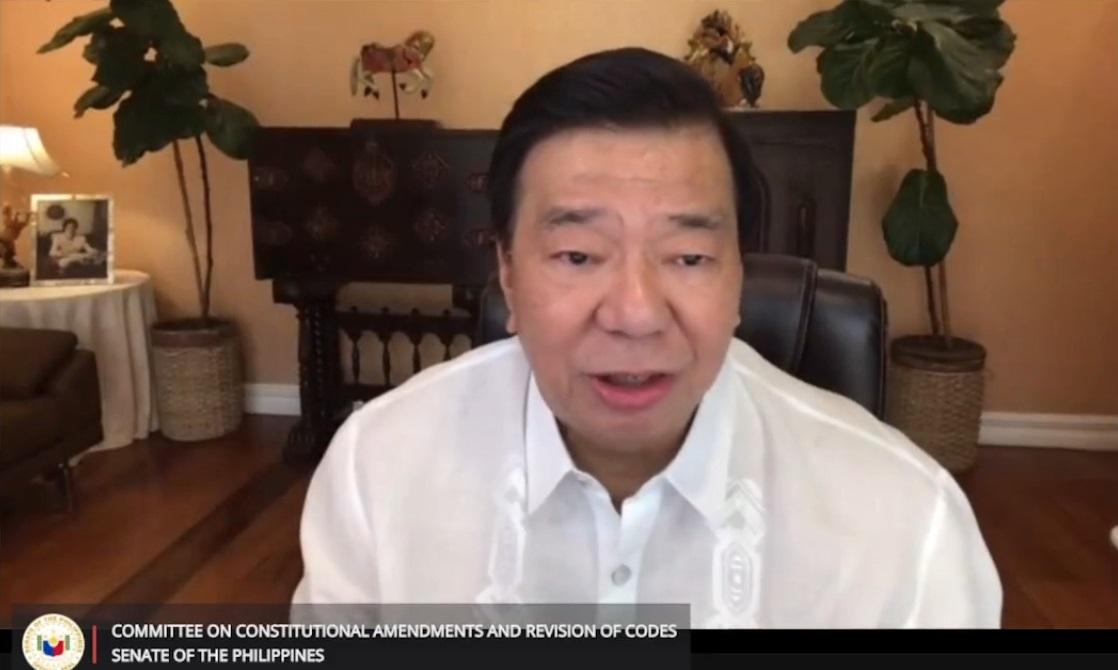
Former Senate President Franklin Drilon on Thursday said the Senate majority may have committed grave abuse of discretion in pushing amendments to Senate rules to allow virtual participation and voting by senators.
“There was an abuse. It can be appealed to the Supreme Court because the Supreme Court in the Constitution has the power to correct grave abuse of discretion,” Drilon said in an interview.
Drilon said the motion on virtual participation was first referred to the Committee on Rules. However, the Senate panel was already abolished at that time.
The Senate majority led by the Senate President took the proposal to the plenary, according to Drilon.
“That’s why the minority walked out so that the majority could not do what they wanted, which is not in accordance with the policy,” he said.
On Thursday, the Senate minority leader said that if the Senate fails to settle the issue on remote participation, they will consider bringing it up to the Supreme Court.
Impeachment
Drilon, meanwhile, believes that the proposed virtual voting measure is linked to the impeachment trial of the Vice President.
He described the proposal as the “Bato Amendment,” alleging it was intended to ensure a senator could still cast his vote remotely during impeachment proceedings.
Drilon said the Senate majority-minority split was close and that the senator’s participation could become crucial in maintaining the majority bloc’s numbers.
He believes that possible subpoenas for bank records may become an important issue during the impeachment proceedings, as such requests would require approval from the impeachment court.
Despite the controversy, Drilon defended the walkout by minority senators during deliberations on the proposed amendment, saying it was a legitimate parliamentary tactic.
“It was part of parliamentary technique,” he said.
Drilon said lawmakers sometimes leave the session hall to break quorum and prevent the majority from forcing the approval of measures.
He also reiterated that Senate rules have traditionally required senators to be physically present inside the session hall in order to vote, except during the COVID-19 pandemic and other emergency situations.
He noted that even a detained former senator was previously not allowed to participate in Senate voting virtually.
Public trust
The former Senate chief also lamented what he described as declining public trust in the Senate.
He said public perception of the Senate has worsened due to recent controversies and warned that the institution’s credibility may continue to suffer.
Drilon also advised the Senate President to strictly follow Senate rules and the law.
“Follow the policy and the law. See how the people react to what they are doing in the Senate,” he added.