Kediri Regency Government Proposes Construction of 2 TPST, Mas Dhito Reminds of the Importance of Waste Management from Upstream
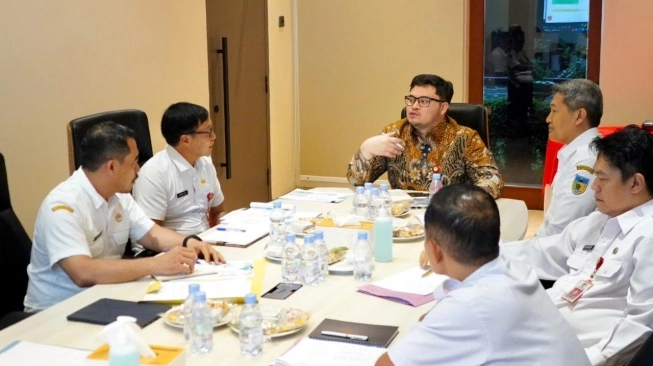
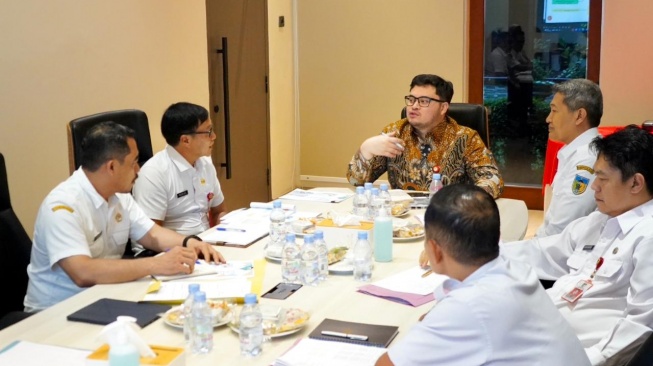
Kediri Regent Hanindhito Himawan Pramana or Mas Dhito asks the Kediri Regency Environmental Agency to map and audit waste piles per sub-district.

The Kediri Regency Government through the Environmental Agency (DLH) has proposed the construction of Integrated Waste Processing Facilities (TPST) in Sekoto and Branggahan villages to the Ministry of Public Works.

The construction of these TPSTs is expected to be a solution for handling waste, the volume of which always increases every year. This is similar to what is currently happening at the Sekoto Final Disposal Site (TPA).

“The condition of the Sekoto TPA, which was launched in October 2021 with a technical lifespan until 2027, is prone to overload, so further TPA preparation is necessary,” said the Head of the Kediri Regency DLH, Putut Agung Subekti, on Monday (18/5/2026).

In Kediri Regency, Putut explained, the waste pile issue so far is that only 58.18 percent per day can be managed, while 40.82 percent remains unmanaged.

On the other hand, the Ministry of Environment currently prohibits open dumping of waste. Open dumping is considered to have an impact on pollution and environmental damage.

The two proposed TPSTs, Putut continued, are different from the existing landfill TPA. This is because the waste piles will be processed using technology to become Refuse Derived Fuel (RDF) products that have economic value.

“Now, landfill TPAs like those before are no longer being developed; instead, there must be environmentally friendly processing technology,” he explained.

The planned location for the Sekoto TPST in Badas Sub-district is next to the Sekoto TPA, covering an area of 0.68 hectares. Meanwhile, the Branggahan TPST in Ngadiluwih Sub-district will cover 0.29 hectares.

Observing the current condition of the Sekoto TPA and regardless of the proposed TPST construction, Kediri Regent Hanindhito Himawan Pramana asked the Kediri Regency DLH to map and audit waste piles per sub-district.

Mas Dhito, as he is known, reminded of the importance of waste management from upstream. For this reason, the DLH is expected to encourage villages willing to serve as pilot projects and commit to waste processing, even zero waste.

“We must touch the upstream first, find 5-10 villages that are willing and committed to zero waste,” Mas Dhito advised.

Sekoto

Sekoto is a historic district in the city of Taito, Tokyo, known for its well-preserved Shitamachi atmosphere from the Edo period. It was a thriving entertainment and merchant area, famously depicted in ukiyo-e woodblock prints by artists like Hiroshige. Today, it retains traditional shops, temples, and a nostalgic ambiance that offers a glimpse into old Tokyo.

Branggahan

Branggahan is a historical water park and bathing complex located in Kediri, East Java, Indonesia, believed to date back to the era of the Kediri Kingdom in the 12th century. According to local legend, it was a favorite recreational site for King Jayabaya and his royal family, featuring several pools supplied by natural springs. Today, the site is a popular cultural heritage destination, offering visitors a glimpse into ancient Javanese royal leisure and architecture.

Sekoto Final Disposal Site (TPA)

Sekoto

Sekoto refers to a historic district in Nagasaki, Japan, known for its role in the country’s early modern trade and cultural exchange. During the Edo period, it was a key settlement for Chinese merchants, featuring distinctive architecture and temples that blend Chinese and Japanese influences. Today, it is a popular tourist destination, offering a glimpse into Nagasaki’s multicultural history.

Branggahan

Branggahan is a historical site in Indonesia, located in the Kediri region, known for its ancient bathing complex believed to date back to the Majapahit or earlier Hindu-Buddhist period. The site features a series of stone pools and water channels, likely used for ritual purification or royal recreation. Its name, meaning “broken” in Javanese, reflects its partially ruined state, yet it remains an important archaeological remnant of East Java’s cultural heritage.

Sekoto Final Disposal Site (TPA)

The Sekoto Final Disposal Site (TPA) is a landfill located in Indonesia, serving as the primary waste management facility for the surrounding region. Its history reflects the growing waste challenges in urban areas, as it was established to handle increasing municipal solid waste. Over time, the site has faced issues related to capacity, environmental impact, and community concerns, highlighting broader struggles with sustainable waste disposal in developing regions.

Related news

City Government Commits to Preserve and Promote Betawi Culture

Pramono Dorong Penyelesaian Perda Masyarakat Adat ...
sepatu lari slip on yang direkomendasikan

7 Practical No-Lace Running Shoes for Evening Runs, Just Slip On and Go

Recommended slip-on running shoes Read 10 seconds...

iPhone 17e Launched on Blibli: Review and Specifications
Get the iPhone 17e on Blibli, highly anticipated b...
Pasar Santa punya hidden gem food di bagian food court lantai 2 yaitu aneka kuliner enak, murah, plus Instagramabel. Kamu bisa nyicip menu Nusantara, Western, Chinese, dan Thai (dok. Qonita Hamidah/detik travel)

Dining at Santa Market: Delicious, Affordable, and Instagram-Worthy
Jakarta - Santa Market in South Jakarta isn't just...
(Foto: Reza Pratama Putra)

Jakarta Opens Fire Safety Challenge

Governor of DKI Jakarta, Pramono Anung, opened the...