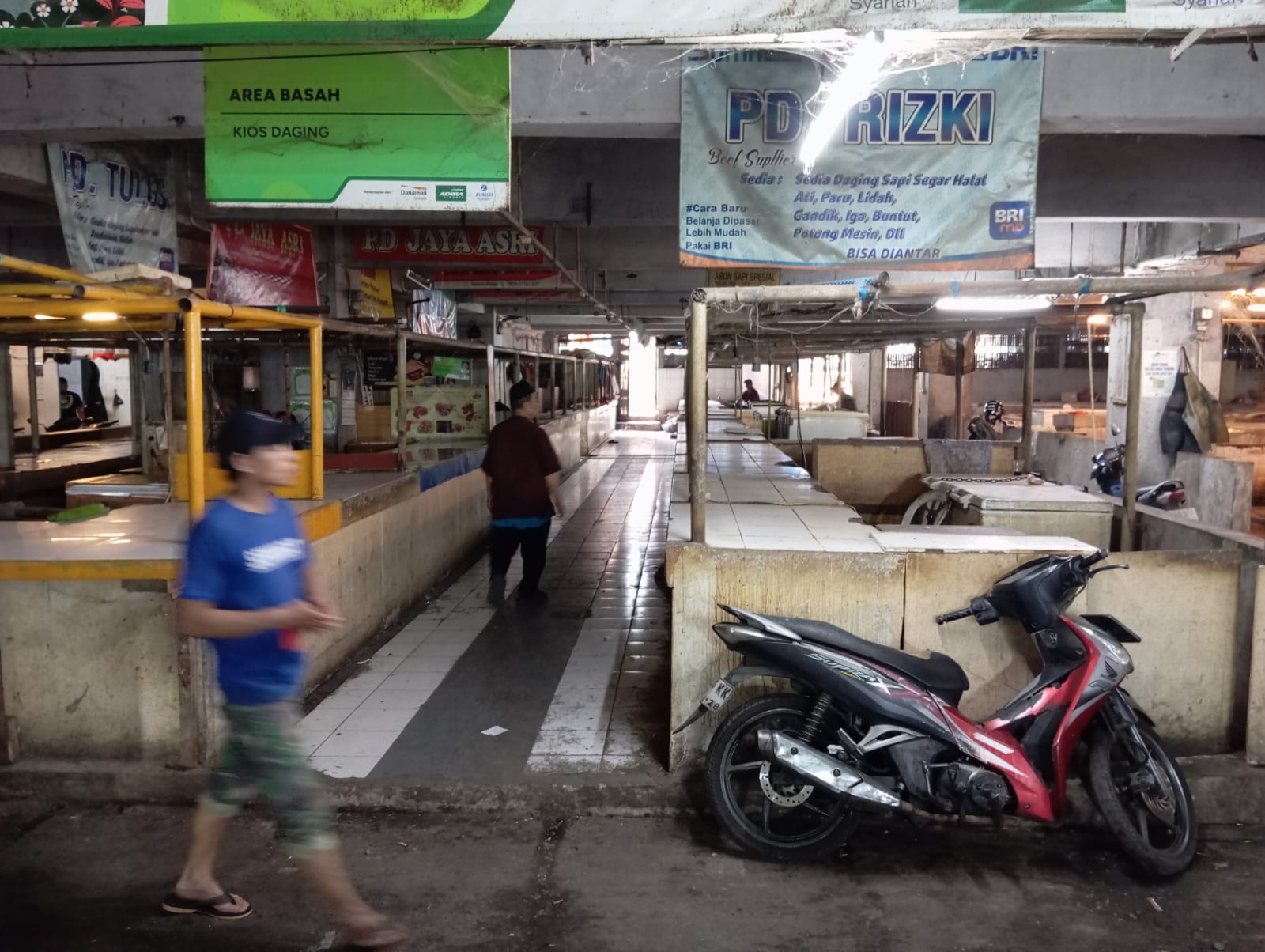
The potential for price increases is now a serious concern in Bandung City, following high dependence on imported wheat and soybeans. Processed products such as tofu, tempeh, noodles, and beef are predicted to be vulnerable to price hikes due to the weakening rupiah and rising food distribution costs, prompting the Bandung City Government to tighten supervision in both traditional markets and modern retail.
The Bandung City Government, in collaboration with the Central Bureau of Statistics, monitors the supply and prices of basic necessities daily. This step is taken to ensure the availability of goods is maintained, while also detecting price increases early before they have a broad impact on people’s purchasing power.
Bandung Mayor Muhammad Farhan stated that dependence on imported wheat and soybeans makes the prices of processed products like tofu, tempeh, and noodles highly sensitive to global economic fluctuations and the rupiah exchange rate.
“We are anticipating that the prices of tofu, tempeh, and noodles do not spike too high. These three commodities are basic necessities for the community and are very sensitive to price changes in the market,” said Farhan on Monday (May 18, 2026).
Besides products made from soybeans and wheat, the Bandung City Government is also monitoring beef prices. Farhan mentioned that the government has received many complaints from traders regarding prices that are already considered too high, making the supervision of meat distribution a top priority.
“The government does not want the situation to lead to a beef shortage in Bandung City markets. Therefore, monitoring distribution and price stability will be the main focus in the coming period,” he said.
The city government is also encouraging tofu and tempeh producers to increase production efficiency without lowering quality. Farhan emphasized that efficiency should not be achieved by reducing product size or thickness, but through a more economical and controlled production process.
In addition to production, the management of food industry waste is also a concern. Farhan stressed that waste must be managed properly to avoid environmental pollution, as pollution would create legal problems and increase production costs for businesses.
Through cross-sector coordination between the Bandung City Government and the Central Bureau of Statistics, the government is optimistic about maintaining the stability of basic necessities prices, controlling distribution, and sustaining people’s purchasing power amidst global economic pressures and exchange rate fluctuations.
Farhan emphasized that food price stability is an important indicator of local economic health, especially to ensure the daily needs of Bandung City residents are met without creating an additional burden on the community.
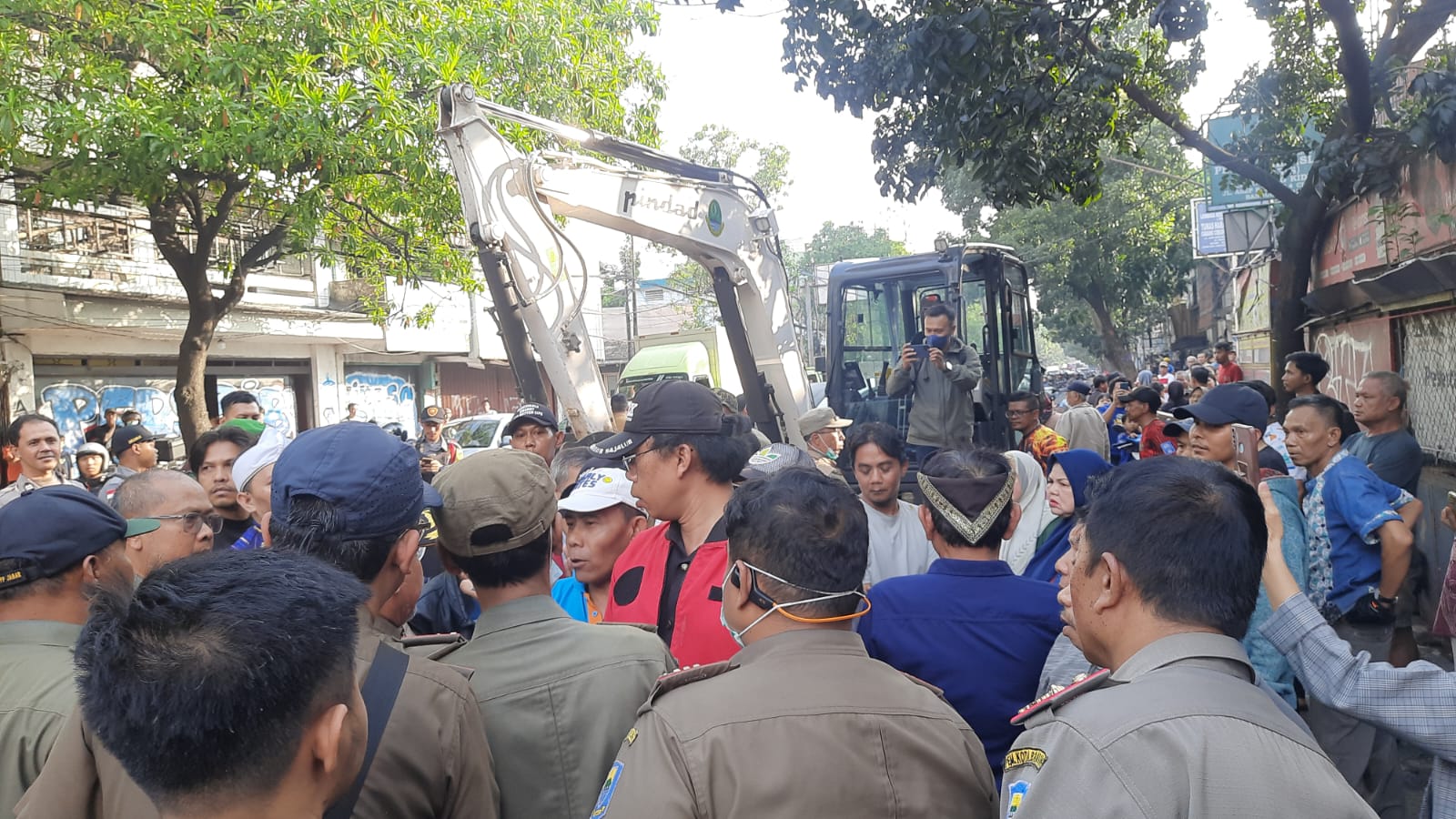
The Governor of West Java, Dedi Mulyadi, directly intervened to resolve the tangled issue of organizing street vendors along the Cicadas Road corridor in Bandung City. This step was taken after the Governor previously urged Bandung Mayor Muhammad Farhan to promptly resolve the long-standing public order problem in the area.
Before the demolition execution began, Dedi Mulyadi first held a persuasive dialogue with the Cicadas Street Vendor Coordinator, Amang Herman. In the meeting, both parties agreed on a plan to organize the pedestrian area and clear dozens of semi-permanent kiosks that had long been accused of being the epicenter of congestion in East Bandung.
Not just evicting, Dedi Mulyadi also offered concrete solutions in the form of providing new job opportunities for the affected traders.
“We have agreed to carry out a total reorganization. The kiosks will be dismantled and tidied up. In return, I will provide new job solutions for the street vendors here,” said Dedi Mulyadi while directly reviewing the location in Cicadas on Monday (May 18).
According to Dedi, the job provision scheme is considered far more effective and realistic than the conventional relocation plan that had stalled without significant progress. He emphasized that although regulations on clearing road reserve areas do not require compensation, the government must be present to provide an economic safety net.
“My focus is to provide solutions for their livelihood. Don’t let them be confused about where to go and lose their daily income after