Project “Sarathi” Electric Cart Service for Divyang Persons is the first of its kind in the country, launched today at Vadodara Station
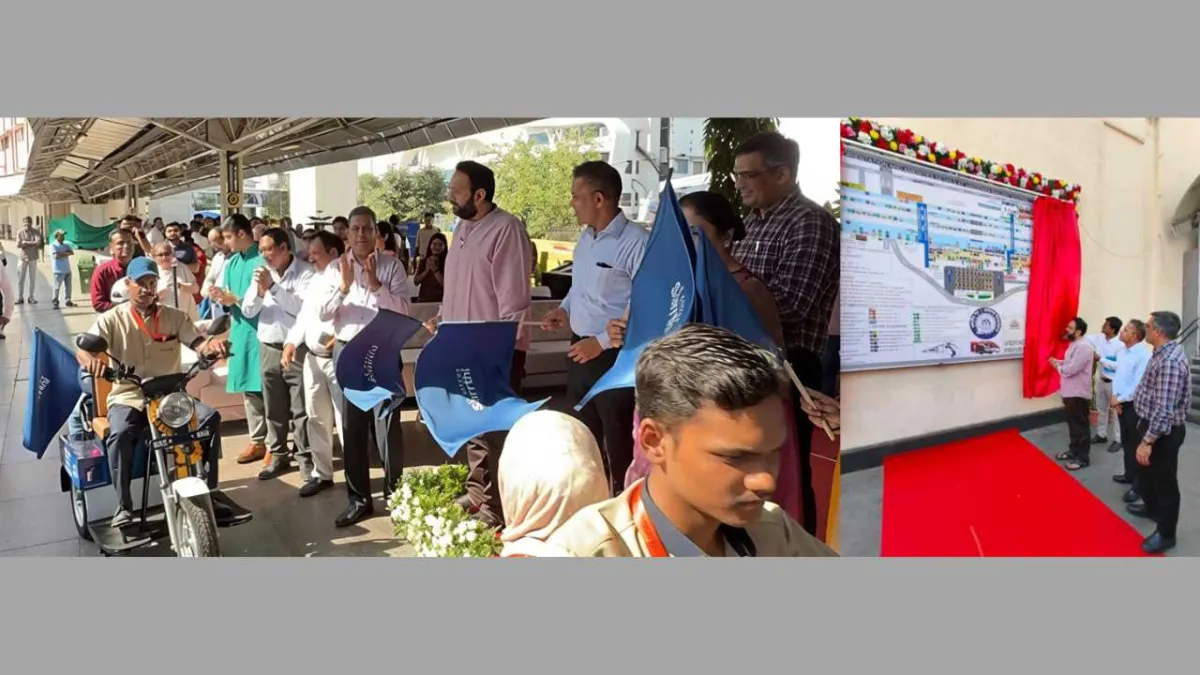
The Vadodara Division of Western Railway, taking significant steps to make passenger facilities more modern, accessible, and inclusive, inaugurated a Digital Access Board and a battery-operated cart service at Vadodara Railway Station today. Senior division officials and other dignitaries were present on this occasion.
On this occasion, it was stated that two important new facilities were inaugurated for passengers at Vadodara Station today. The Digital Access Board is self-explanatory, where passengers will get information about every service and facility of the station right at the entrance. The Project “Sarathi” electric cart service for Divyang persons is the first of its kind in the country, launched today at Vadodara Station. Thanks were given to the team for these two passenger-friendly initiatives. The station’s license assistants were also met on this occasion and assured of every possible help and facility.
The Vadodara Divisional Railway Manager stated while addressing the media that this is an important initiative of the Vadodara Division towards modern station services. Passengers arriving at the station will easily find out where the Railway Protection Force is, where the ticket window is, where the lift is, etc. The electric cart is a significant facility; due to its small size, this cart can also go into the lift and will be helpful in dropping senior citizens and Divyang passengers to their trains.
The Senior Divisional Commercial Manager stated that the Digital Access Board facility has been established under a Corporate Social Responsibility (CSR) initiative. Its purpose is to make passenger movement within the station premises simpler, more convenient, and stress-free. The Digital Access Board installed at Vadodara Station will function as a smart information center for passengers, providing clear and easy information about various station facilities, platforms, ticket counters, waiting rooms, Divyang facilities, parking, food stalls, security services, and other important locations. This board will be especially useful for senior citizens, Divyang persons, and first-time travelers.
It was further stated that a special feature of the modern battery-operated cart is that it will not be limited to Platform No. 1 but will provide connectivity to all platforms of the station, ensuring greater convenience and smooth movement for passengers. This service will be available 24 hours a day and will assist in passengers’ comfortable travel.
These modern and passenger-centric initiatives being adopted by the Vadodara Division will not only improve the passenger experience at the station but also reflect the railway’s commitment to digital transformation and smart station development. Additionally, such initiatives are likely to increase the railway’s non-fare revenue. The Vadodara Division of Western Railway will continue to strive to provide passengers with safe, modern, accessible, and world-class facilities in the future.