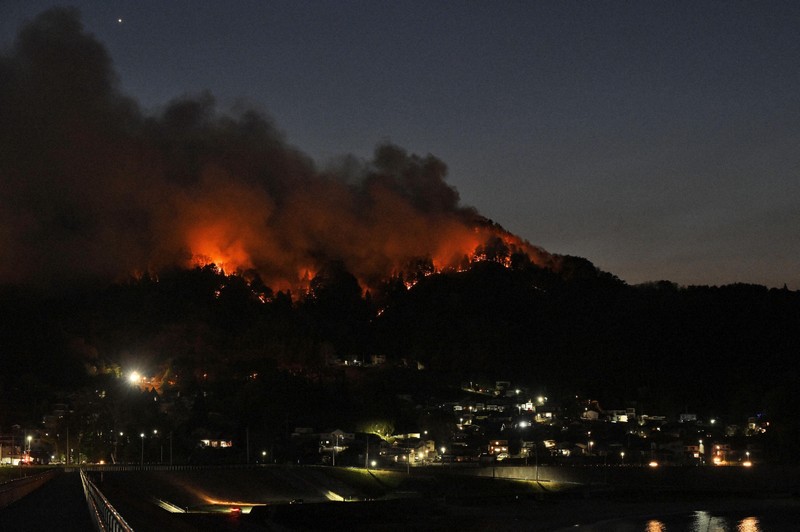
The Kirikiri district of Ōtsuchi, located in Iwate Prefecture, Japan, is a historic coastal area known for its traditional fishing culture and scenic
Kirikiri district of Otsuchi
The Kirikiri district of Ōtsuchi, located in Iwate Prefecture, Japan, is a historic coastal area known for its traditional fishing culture and scenic beauty. It was severely affected by the 2011 Tōhoku earthquake and tsunami, which devastated much of the community. In the years since, the district has been part of ongoing recovery and reconstruction efforts, preserving its cultural heritage while rebuilding.
Otsuchi
Otsuchi is a coastal town in Iwate Prefecture, Japan, known for its deep connection to the sea and its tragic history during the 2011 Tōhoku earthquake and tsunami, which devastated much of the town. Before the disaster, Otsuchi thrived as a fishing port and was famous for its salmon and seaweed industries. In the years since, the town has focused on recovery and rebuilding, with memorial sites and museums honoring the lives lost and preserving the memory of the event.
Iwate Prefecture
Iwate Prefecture, located in the Tohoku region of Japan’s Honshu island, is known for its rich natural beauty and historical significance, including the UNESCO World Heritage site Hiraizumi, which flourished as a political and cultural center in the 12th century. The area also features the dramatic coastline of Sanriku, marked by its ria coast and tragic history of tsunami disasters, such as the devastating 2011 Great East Japan Earthquake. Additionally, Iwate is home to the legendary Chuson-ji Temple, renowned for its gold-leaf-covered Konjiki-do hall, symbolizing the region’s Heian-era Buddhist heritage.
Ofunato
Ofunato is a coastal city in Iwate Prefecture, Japan, known for its scenic ria coastline and thriving fishing industry. Historically, it developed as a port town and was heavily impacted by the 2011 Tōhoku earthquake and tsunami, which caused widespread destruction. Today, Ofunato is recognized for its recovery efforts, including the reconstruction of its port and the preservation of its natural beauty and local culture.
Sanriku Coast
The Sanriku Coast is a rugged, scenic stretch of northeastern Japan’s Pacific shoreline, known for its dramatic ria coastline—deep, narrow inlets formed by submerged river valleys. Historically, the region has been shaped by both its rich fishing culture and devastating tsunamis, most notably the 2011 Tōhoku earthquake and tsunami, which caused immense destruction and loss of life. Despite this tragedy, the coast remains a symbol of resilience, with ongoing reconstruction efforts and natural landmarks like the Kitayamazaki Cliffs drawing visitors.
Mount Iwate
Mount Iwate is a stratovolcano located in Iwate Prefecture, Japan, standing at 2,038 meters tall. It holds deep cultural and spiritual significance in Shinto and Buddhist traditions, often referred to as the “Fuji of Tohoku” for its symmetrical cone shape. Historically, the mountain has been a site of worship and pilgrimage, with its most recent eruption occurring in 1919, shaping both the local landscape and folklore.
Hiraizumi
Hiraizumi, located in Iwate Prefecture, Japan, was a political and cultural center of the Northern Fujiwara clan during the 12th century. It was designed to emulate the Buddhist Pure Land on earth, featuring temples like Chuson-ji and Motsu-ji with their golden halls and exquisite gardens. Though the clan fell in 1189, Hiraizumi remains a UNESCO World Heritage site, preserving its unique medieval Buddhist landscape and architecture.
Morioka Castle ruins
The Morioka Castle ruins, located in Iwate Prefecture, Japan, are the remains of a hilltop castle built in the early 17th century by the Nanbu clan, who ruled the region during the Edo period. The castle was largely destroyed by fire in 1874, shortly after the Meiji Restoration, and today the site is preserved as Iwate Park, featuring stone walls, moats, and a reconstructed gate. It remains a popular spot for cherry blossom viewing and a symbol of local history.