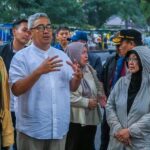
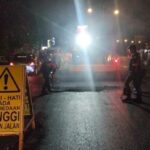
A small plane crashed and burst into flames during an air show in the Indonesian city of Bandung on Friday.

Bandung
Bandung, the capital of West Java, Indonesia, is a city known for its colonial architecture, cool climate, and vibrant art scene. It gained historical significance during the 1955 Bandung Conference, which brought together newly independent Asian and African nations to promote decolonization and non-alignment during the Cold War. Today, it is a popular destination for its creative culture, culinary scene, and scenic surroundings.
Bandung
Bandung, the capital of West Java, Indonesia, is a historic city known for its colonial-era architecture and role in the 1955 Asia-Africa Conference, which united newly independent nations. Originally a Dutch plantation retreat in the 19th century, it evolved into a cultural and intellectual hub, earning the nickname “Paris of Java” for its art deco buildings and vibrant café culture. Today, Bandung is a popular destination for its cool mountain climate, shopping, and creative industries.
West Java
West Java is a province in Indonesia known for its rich cultural heritage, including the traditional Sundanese arts and music. Historically, it was part of the ancient Sunda Kingdom and later became a key region under Dutch colonial rule, with Bandung serving as a major administrative and cultural center. Today, West Java is celebrated for its natural beauty, such as volcanic landscapes and tea plantations, along with vibrant traditions like wayang golek puppet performances.
Bandung Conference
The Bandung Conference, officially the Asian–African Conference, was a historic meeting held in Bandung, Indonesia, in April 1955. It brought together leaders from 29 newly independent Asian and African nations to promote economic and cultural cooperation and to oppose colonialism and neocolonialism. The conference laid the groundwork for the Non-Aligned Movement and was a pivotal moment in the global struggle for decolonization during the Cold War.
West Java
West Java is a province in Indonesia known for its rich Sundanese culture, lush volcanic landscapes, and historical significance. It was a key region during the Dutch colonial era, with Bandung, its capital, serving as a center for administration and the famous Bandung Conference in 1955. Today, it remains a vibrant cultural hub, featuring traditional arts, tea plantations, and natural attractions like the Tangkuban Perahu volcano.
Bandung
Bandung, the capital of West Java, Indonesia, is a vibrant city known for its colonial-era architecture and cool mountain climate. Originally a resort town for Dutch plantation owners, it became a key site of decolonization during the 1955 Asia-Africa Conference. Today, it is a major cultural and creative hub, famous for its art deco buildings, street art, and culinary scene.
Bandung Conference
The Bandung Conference, officially the Asian-African Conference, was a historic 1955 meeting in Bandung, Indonesia, that brought together newly independent nations from Asia and Africa. It was a pivotal event in the development of the Non-Aligned Movement, promoting Afro-Asian cooperation and opposing colonialism and neocolonialism during the Cold War. The conference’s final communiqué laid out principles for peaceful coexistence and economic cooperation among developing countries.
Dutch plantation retreat
The Dutch plantation retreat refers to historic country estates built by wealthy Dutch colonists in regions like Suriname, Indonesia, and the Caribbean during the 17th and 18th centuries. These retreats served as luxurious getaways for plantation owners, featuring grand homes, manicured gardens, and often relying on enslaved labor to maintain the surrounding agricultural operations. Today, many of these sites have been preserved as museums or heritage landmarks, reflecting both the colonial wealth and the complex, often painful history of the plantation economy.
Paris of Java
“Paris of Java” is a nickname for Bandung, Indonesia, earned during the Dutch colonial era for its European-style architecture, tree-lined boulevards, and vibrant café culture. Built as a planned administrative and resort city in the early 20th century, it became a center for art, fashion, and intellectual life. Today, Bandung retains its cosmopolitan charm, blending colonial heritage with modern creativity.
Sunda Kingdom
The Sunda Kingdom was a historical Hindu-Buddhist kingdom that existed in western Java, Indonesia, from the 7th to the 16th centuries. It is known for its prosperous trade, rich culture, and the famous inscription of the “Prasasti Kebon Kopi II,” which mentions a king named Sri Jayabhupati. The kingdom eventually declined due to the expansion of the Islamic Sultanate of Banten in the 16th century.
wayang golek
Wayang Golek is a traditional form of puppet theater from West Java, Indonesia, featuring intricately carved wooden rod puppets. Its history dates back centuries, influenced by Hindu epics like the Ramayana and Mahabharata, and later incorporating Islamic and local folklore. The performances combine storytelling, music from a gamelan orchestra, and spiritual elements, serving as both entertainment and a medium for moral and philosophical lessons.
Asian–African Conference
The Asian–African Conference, also known as the Bandung Conference, was a historic meeting held in Bandung, Indonesia, in April 1955. It brought together leaders from 29 newly independent Asian and African countries to promote economic and cultural cooperation and to oppose colonialism and neocolonialism. The conference marked a significant step in the formation of the Non-Aligned Movement and fostered solidarity among developing nations during the Cold War era.