A male employee of Asahiyama Zoo is under voluntary questioning for allegedly disposing of his wife’s body in the zoo’s incinerator. In response, Asahikawa City is considering postponing the zoo’s opening.
The male employee, in his 30s, works at Asahiyama Zoo and is being questioned by police on suspicion of abandoning his wife’s body.
Today (April 25, 2026), multiple investigation vehicles entered the zoo, and police are conducting an on-site inspection.
According to investigative sources, the man has stated during voluntary questioning that he “disposed of his wife’s body in the zoo’s incinerator,” implying her murder.
The zoo was scheduled to begin its summer operations on the 29th of this month, but it has been revealed that Asahikawa City is considering delaying the opening in light of the situation.
So far, the wife’s body has not been found, and police are investigating the possibility that it may have been burned.
Asahiyama Zoo
Asahiyama Zoo, located in Asahikawa, Hokkaido, Japan, is famous for its innovative “behavioral exhibits” that allow visitors to observe animals’ natural behaviors up close, such as penguins waddling through snow and seals swimming in vertical tunnels. Opened in 1967, it was initially a small, struggling zoo but reinvented itself in the 1990s by focusing on dynamic, educational displays that showcase the animals’ instincts and movements. Today, it is one of Japan’s most popular zoos, drawing millions of visitors annually with its unique approach to animal care and exhibition.
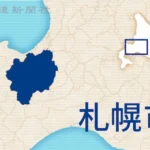
Asahikawa City
Asahikawa is the second-largest city in Hokkaido, Japan, known for its cold winters and as the gateway to the Daisetsuzan National Park. Its history began as a settlement for Tondenhei (farmer-soldiers) during the Meiji era, and it later grew into a major industrial center, particularly for furniture and sake brewing. Today, it is famous for the Asahiyama Zoo and its annual Winter Festival featuring large snow sculptures.
Asahiyama Zoo
Asahiyama Zoo, located in Asahikawa, Hokkaido, Japan, is famous for its innovative “behavioral exhibition” designs that allow visitors to observe animals in naturalistic and active settings. Originally opened in 1967, it gained international acclaim for displays like the penguin walk and the seal tunnel, which highlight the animals’ natural behaviors. The zoo’s focus on education and conservation has made it one of Japan’s most popular and beloved zoos.
Asahikawa City
Asahikawa is the second-largest city in Hokkaido, Japan, known for its cold winters and location near the Daisetsuzan mountain range. Originally settled in the late 19th century, it developed as a key industrial and cultural hub, featuring the Asahikawa Ramen and the Asahiyama Zoo, one of Japan’s most popular zoos. The city also played a significant role in Hokkaido’s development as a center for woodworking and furniture production.
Daisetsuzan National Park
Daisetsuzan National Park, located in central Hokkaido, Japan, is the country’s largest national park, established in 1934. Known for its rugged alpine terrain, it features the “Roof of Hokkaido” with volcanic peaks, hot springs, and diverse wildlife. The park holds cultural significance for the indigenous Ainu people, who have long revered its sacred mountains and pristine landscapes.