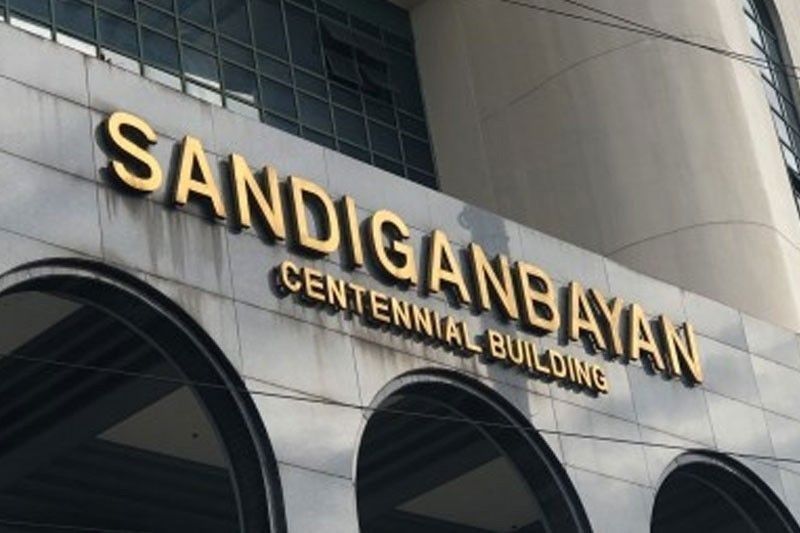
MANILA, Philippines — The Sandiganbayan has concluded hearings on the bail petition filed by former senator Ramon “Bong” Revilla Jr., where the defense argued that the prosecution failed to prove strong evidence of guilt.
In 10 days of hearings, the prosecution presented at least 20 witnesses to link Revilla to the alleged misuse of ₱92.8 million in funds for a flood control project in Pandi, Bulacan. However, based on the recorded testimonies, except for three interconnected witnesses, all testified under oath that they had no personal knowledge of any direct participation by the former senator in the procurement, documentation, and implementation of the project.
Among those presented were project engineers and field personnel, such as Engr. Alcantara and Engr. Peter Paul Cortez, whose testimonies focused only on the technical and administrative aspects of the project and did not prove direct involvement by Revilla. Cortez testified that he was allegedly informed that the late DPWH undersecretary Catalina Cabral ordered to link Revilla to the project. However, he clarified under questioning that this information was not based on his personal knowledge. The defense noted that Cabral, who has passed away, is no longer able to respond or clarify the allegations against her. Defense lawyers argued that such testimony was hearsay, as it was based on an out-of-court statement used to prove the alleged truth, without an opportunity to cross-examine the original source.
They also emphasized that Cortez did not witness any meetings, directives, or communications involving Revilla related to the project. Similarly, Engr. Alcantara, the district engineer of Public Works where the flood control project is located, did not link any orders, participation, or communications to Revilla, and only testified about his role in the project’s documentation and implementation. The sole witness who directly linked Revilla was former DPWH undersecretary Roberto Bernardo, who admitted to involvement in the alleged irregularity and was later dropped as an accused to become a state witness. In exchange, he was granted immunity from prosecution and placed under the government’s witness protection program. Bernardo accused Revilla of being involved in the misuse of ₱92.8 million for the Pandi project. He stated in court that on separate occasions in 2024 and 2025, he, along with his driver and aide, personally delivered a total of ₱500 million to the former senator.
However, upon careful examination by the court, it emerged that Bernardo was uncertain and had conflicting dates and details. The defense described Bernardo’s accusation and those of his two aides as ridiculous and unbelievable, arguing that their testimonies were self-serving and lacked sufficient weight. “It’s easy for Bernardo to accuse, easy to say I delivered this amount, but when asked for details, his answers contradict each other,” said Atty. Reody Balisi. In his court appearance, Bernardo failed to present independent documentary evidence or introduce other witnesses with direct personal knowledge to support his allegations.
To strengthen his testimony, the prosecution presented Bernardo’s driver and staff aide as corroborative witnesses. Case records confirmed that both were in his employ when he was still undersecretary of Public Works. Although they claimed to have personally delivered “sealed boxes” to Revilla, the driver and aide admitted in court that they did not see the contents of these boxes. They also testified that they had no knowledge of any direct transactions with Revilla regarding public works projects. After the hearings, the Sandiganbayan is expected to decide on the bail petition based on its assessment of whether the prosecution’s evidence met the legal standards set by law.
Sandiganbayan
Sandiganbayan
Pandi, Bulacan
Manila, Philippines
Related news

DPWH officials and 15 contractors to be grilled.
A rider who was hit by a UV Express vehicle on the westbound lane of Commonwealth, Quezon City, gave a statement this Friday, October 17.

Ombudsman may issue show cause order against Ryan Quilala: Sara Duterte’s associate scrutinized over bag of money.

“Life transformed by a roof”