Iran denies reports of negotiations with the US in Pakistan, says they are only ‘exploring’ each other
Iran denies plans for direct negotiations with the US despite both delegations arriving in Pakistan; Israeli Prime Minister declares “full authority to act” in Lebanon and continues airstrikes despite ceasefire extension… these are notable Middle East news for the morning of April 25.
Iran denies news of direct negotiations with the US in Pakistan
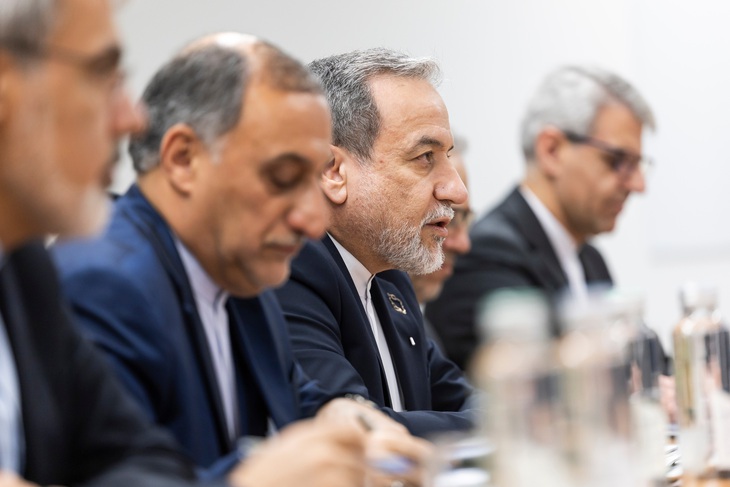
According to CNN on April 25, Iranian Foreign Ministry spokesman Esmaeil Baghaei confirmed there are no plans for a direct meeting between Iranian and US negotiators in Pakistan, amid conflicting reports about the dialogue process between the two sides.
In a post on social media platform X, Mr. Baghaei clarified that Tehran’s positions would be conveyed to the Pakistani side, rather than through a direct meeting with Washington.
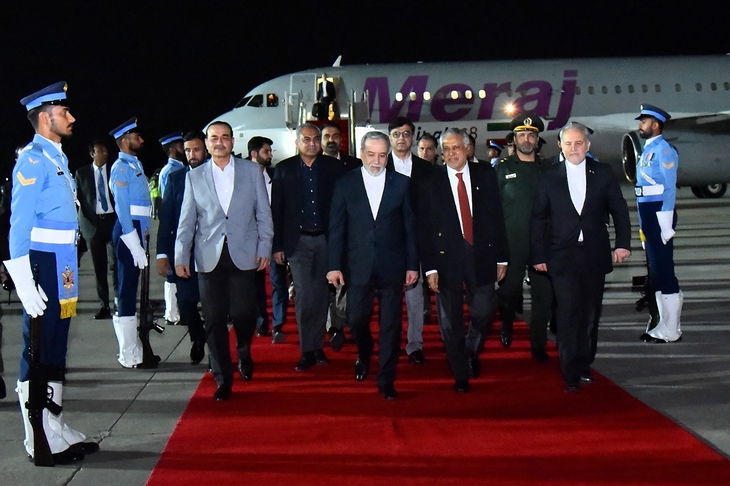
He also stated that Iranian Foreign Minister Abbas Araghchi is currently in Pakistan to work with officials there, within the framework of the mediating role Islamabad is undertaking.
The Iranian statement came just hours after the White House announced that envoys Jared Kushner and Steve Witkoff were expected to arrive in Pakistan on the same day to hold direct discussions with Tehran.
US and Iran not yet negotiating, only “exploring” in Pakistan
White House spokesman Karoline Leavitt stated that negotiations between the US and Iran have seen some progress in recent days, but upcoming contacts are mainly exploratory, not yet a formal round of negotiations.
According to Ms. Leavitt, the US will send two envoys, Steve Witkoff and Jared Kushner, to participate in exchanges with the Iranian side. However, those who previously led the delegation in earlier negotiations will not be involved in the initial phase.
Instead, Mr. Vance and Secretary of State Marco Rubio will monitor developments from Washington and may travel to Islamabad if discussions progress to a more substantive level.
Notably, these contacts occur while the US maintains and even expands blockade measures against Iran. Secretary of War Pete Hegseth stated that the blockade’s scope is no longer limited to the Strait of Hormuz but has been expanded.
Previously, Iran had set conditions that it would not proceed with negotiations while the blockade measures remain in effect.
Pakistan is a South Asian country with a rich history that includes being part of the ancient Indus Valley Civilization and a crossroads for various empires, such as the Mughal and British. It was established as an independent nation in 1947 following the partition of British India, becoming the world’s first Islamic republic. Today, Pakistan is known for its diverse cultures, languages, and landmarks like the ancient city of Mohenjo-Daro and the mountainous northern regions.
Washington
Washington, D.C., the capital of the United States, was established in 1790 as a compromise between northern and southern states, with its location chosen by President George Washington. The city was designed by French architect Pierre L’Enfant and has since become the nation’s political and cultural hub, housing iconic landmarks such as the White House, the U.S. Capitol, and the National Mall. It also serves as a global symbol of democracy, shaped by centuries of history from the American Revolution to modern civil rights movements.
Islamabad
Islamabad, the capital of Pakistan, was purpose-built in the 1960s to replace Karachi as the nation’s political and administrative center. Designed by Greek architect Constantinos Apostolou Doxiadis, the city is known for its modern, planned layout, lush greenery, and iconic landmarks like Faisal Mosque. It was officially inaugurated in 1966 and has since grown into a hub for government, diplomacy, and culture, set against the scenic backdrop of the Margalla Hills.
Strait of Hormuz
The Strait of Hormuz is a narrow, strategically vital waterway connecting the Persian Gulf to the Gulf of Oman and the Arabian Sea. Historically, it has been a crucial chokepoint for global oil shipments, with its importance soaring after the discovery of oil in the region. Control over the strait has been contested for centuries, involving various empires and modern states, most notably Iran and Oman, who share its sovereignty.
Lebanon
Lebanon is a country in the Middle East known for its rich history, having been home to ancient civilizations such as the Phoenicians, Romans, and Ottomans. Its cultural heritage includes landmarks like the Roman ruins in Baalbek and the historic city of Byblos, one of the oldest continuously inhabited cities in the world. Despite modern challenges, Lebanon remains celebrated for its diverse culture, cuisine, and resilient spirit.
Geneva
Geneva is a major global city in Switzerland, known for its role as a hub for international diplomacy and humanitarian efforts. Historically, it became prominent as the center of the Calvinist Reformation in the 16th century and later hosted the League of Nations after World War I. Today, it is home to numerous United Nations agencies and the Red Cross, reflecting its enduring legacy as a city of peace and cooperation.
Iran
Iran is a country in the Middle East with a rich history dating back over 2,500 years, home to the ancient Persian Empire. Its cultural sites include Persepolis, the ceremonial capital of the Achaemenid Empire, and the historic city of Isfahan, famous for its Islamic architecture. Modern Iran blends this deep heritage with a predominantly Shia Muslim identity, influencing its art, literature, and politics.
US
The United States is a large and diverse country in North America, with a history rooted in Indigenous cultures, European colonization, and the founding of a federal republic in 1776. Its most iconic cultural sites include the Statue of Liberty, a gift from France symbolizing freedom, and the National Mall in Washington, D.C., which houses monuments and museums that reflect the nation’s complex history and democratic ideals.