China holds live-fire drills in waters near Luzon as US and Philippines stage war games
Filtered by: Topstories
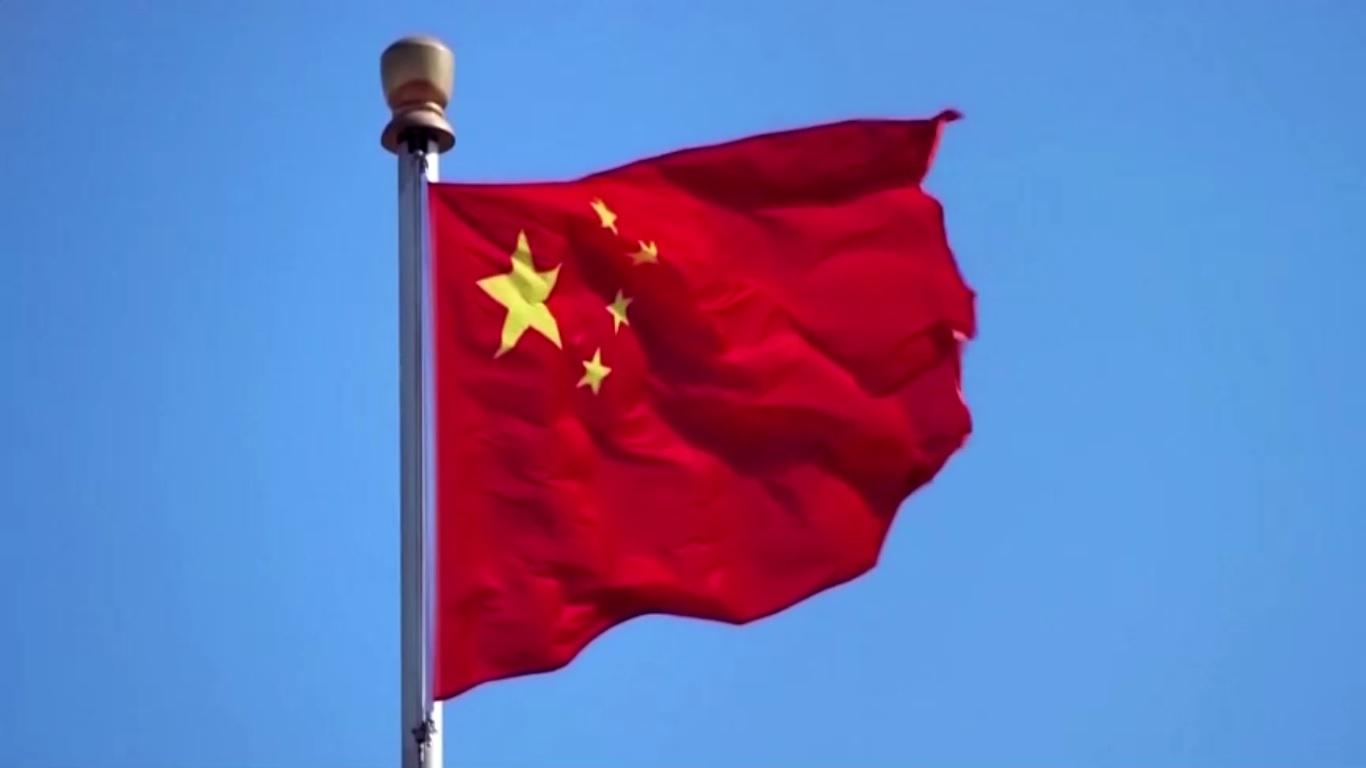
BEIJING – China conducted military drills recently including live-fire exercises in waters east of the Philippines’ Luzon Island, it said on Friday, as Manila and Washington host annual drills that extend towards disputed areas of the South China Sea.
Over 17,000 troops from the US, the Philippines and allies began their annual Balikatan military exercises this week, with combat troops from Japan joining for the first time amid persistent strains between Tokyo and Beijing.
The Chinese military’s Southern Theater Command (STC) said on Friday its Naval Task Group 107 carried out activities that focused on live-fire shooting, sea-air coordination, rapid maneuvers and maritime replenishments to test integrated joint combat capabilities.
The Philippine embassy in Beijing did not immediately respond to a request for comment.
The Chinese military did not provide further details on the timing or exact location of the drills, but said in a statement its exercises were a “necessary operation” in response to the current regional situation and were in full compliance with international law and practice.
“Forces of the STC will regularly conduct corresponding military operations based on the need of the security situation to safeguard national sovereignty and security as well as regional peace and stability,” it said.
Maritime strike drills on remote island
China has repeatedly criticized the Philippines for conducting defense exercises with its allies, saying they risk raising regional tensions.
The Balikatan exercises, running from April 20 to May 8, include drills in Luzon. The Philippines and US will for the first time hold maritime strike drills on the island of Itbayat, the northernmost point of the Philippines about 155 km (96 miles) from Taiwan, which China views as its own territory.
Taiwan’s government rejects China’s sovereignty claims.
Counter-landing live-fire drills will also take place in the Philippines’ Zambales province on the South China Sea, about 230 km (143 miles) from the hotly contested Scarborough Shoal, a strategic atoll controlled by China.
The Philippines and China have been locked in a series of maritime confrontations in recent years with China claiming almost the entire South China Sea, a waterway supporting more than $3 trillion of annual commerce.
Beijing has been stepping up its long-term campaign to strengthen maritime power, pursuing marine economy growth and expanding its naval force.
At a cabinet meeting on Friday, China’s Premier Li Qiang called for efforts to strengthen China’s maritime capabilities and technological innovation, as well as to protect its maritime rights and strategic security.
Luzon Island
Luzon is the largest and most populous island in the Philippines, serving as the nation’s political and economic center, with Manila as its capital. Its history includes early Malay settlements, Spanish colonization beginning in the 16th century, and a key role in the Philippine Revolution against Spain as well as the Philippine-American War. Today, Luzon is a vibrant cultural and economic hub, featuring sites like the historic walled city of Intramuros and the stunning Banaue Rice Terraces.
South China Sea
The South China Sea is a vital body of water in Southeast Asia, bordered by several countries including China, Vietnam, and the Philippines. Historically, it has been a major maritime trade route for centuries, connecting East Asia to the Indian Ocean and beyond. In modern times, it is known for its rich fishing grounds, potential oil and gas reserves, and ongoing territorial disputes among claimant nations.
Itbayat
Itbayat is the largest and most populated island in the Batanes province of the Philippines, known for its rugged, coral-limestone terrain and unique stone houses designed to withstand typhoons. Historically, the island was inhabited by the Ivatan people long before Spanish colonization, and it later played a role in the region’s trade routes. Today, it is a remote cultural site that preserves traditional Ivatan lifeways, including the cultivation of garlic and root crops, and features notable landmarks like the Torongan Cave, an ancient burial site.
Taiwan
Taiwan is an island in East Asia with a complex history, having been inhabited by indigenous peoples for thousands of years before being colonized by the Dutch and Spanish in the 17th century, followed by Chinese rule under the Qing dynasty. It became a Japanese colony from 1895 to 1945, after which it was governed by the Republic of China (ROC), which retreated there in 1949 following the Chinese Civil War. Today, Taiwan is a vibrant democracy with a rich cultural heritage blending indigenous, Chinese, and Japanese influences, though its political status remains a subject of international debate.
Zambales province
Zambales is a province in the Philippines known for its stunning coastline, including the famous sandy beaches of Subic Bay and the towering Mount Pinatubo, which erupted catastrophically in 1991 in one of the largest volcanic events of the 20th century. Historically, the area was a key site during the Philippine-American War and later housed major U.S. military bases, such as Subic Bay Naval Base, which were turned over to the Philippines in the 1990s. Today, Zambales is a popular destination for eco-tourism, hiking, and surfing, blending natural beauty with a complex colonial and military past.
Scarborough Shoal
Scarborough Shoal, also known as Bajo de Masinloc, is a disputed atoll in the South China Sea located approximately 220 kilometers west of the Philippines. Historically, it was a traditional fishing ground for Filipino fishermen, but its strategic location and potential resources have led to territorial claims by China, the Philippines, and Taiwan. The area remains a flashpoint in regional tensions, with periodic confrontations between Chinese and Philippine vessels since the 1990s.