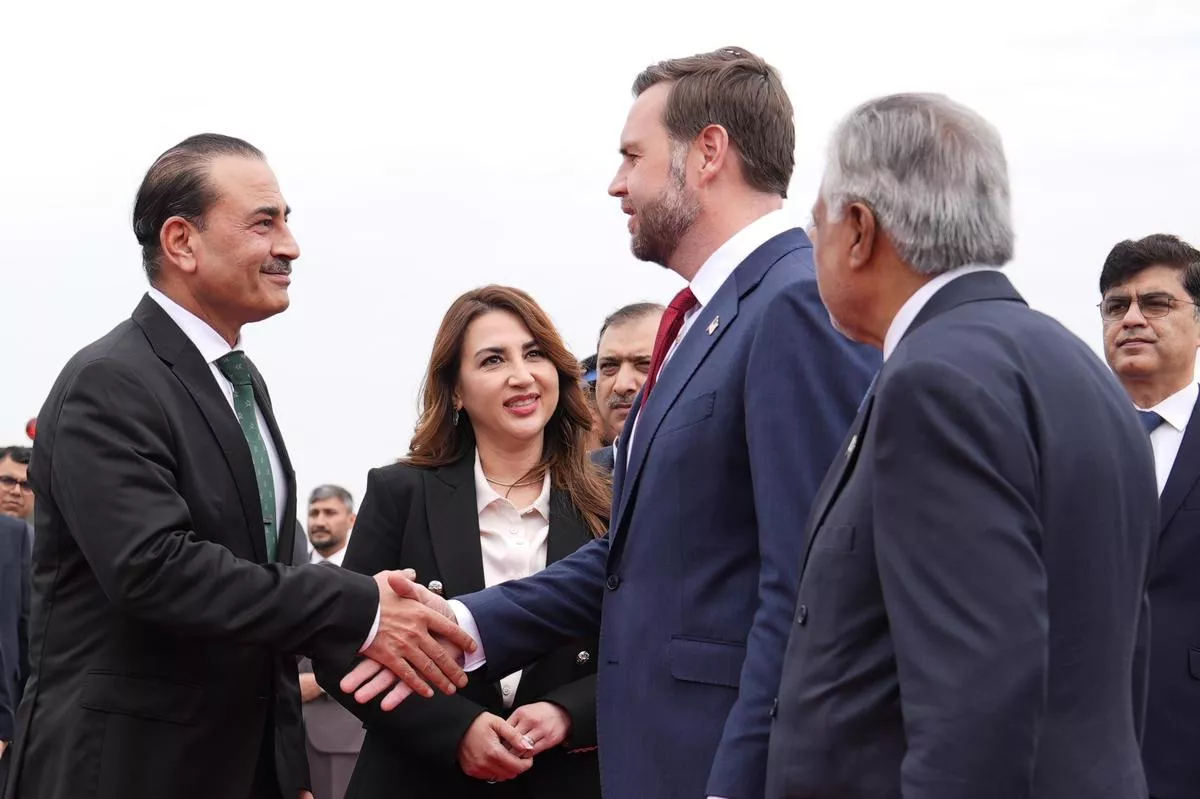
Islamabad, Pakistan’s Interior Minister Mohsin Naqvi met with U.S. Deputy Ambassador Natalie Baker on Thursday to discuss diplomatic efforts for hosting the second round of U.S.-Iran talks in Islamabad, according to an official statement.
The meeting took place amid intensified diplomatic efforts aimed at bringing Iran and the United States to the negotiating table, possibly by the weekend. The Interior Ministry stated that Naqvi and Baker held a “significant meeting,” during which they discussed the latest regional situation in detail and deliberated on diplomatic efforts related to the proposed second round of peace talks.
Naqvi welcomed U.S. President Donald Trump’s initiative to extend the ceasefire, calling it a “positive step” that has led to significant progress in reducing tensions. The minister said, “We also expect positive progress from Iran’s side.” Naqvi and Baker emphasized the need to maintain a diplomatic channel for a lasting solution to the West Asia conflict.
Trump Extends Ceasefire with Iran
According to the statement, Naqvi informed Baker that Prime Minister Shehbaz Sharif and Chief of Defence Staff Field Marshal Asim Munir are making every effort for a peaceful solution at all levels. The minister said, “It is hoped that both sides will give diplomacy and peaceful resolution a chance.” This second meeting between them this week came amid uncertainty over the talks. Tight security measures were in place in Islamabad for the proposed negotiations.
On Monday, Naqvi held separate meetings with Baker and Iran’s Ambassador to Pakistan, Reza Amiri Moghadam, discussing preparations for the second round of Islamabad talks. Trump extended the ceasefire with Iran indefinitely on Wednesday at Pakistan’s request. This significant announcement came just hours before the two-week ceasefire was set to expire. No official statement confirming Tehran’s agreement to extend the ceasefire has been released, according to Iran’s semi-official Tasnim News Agency.