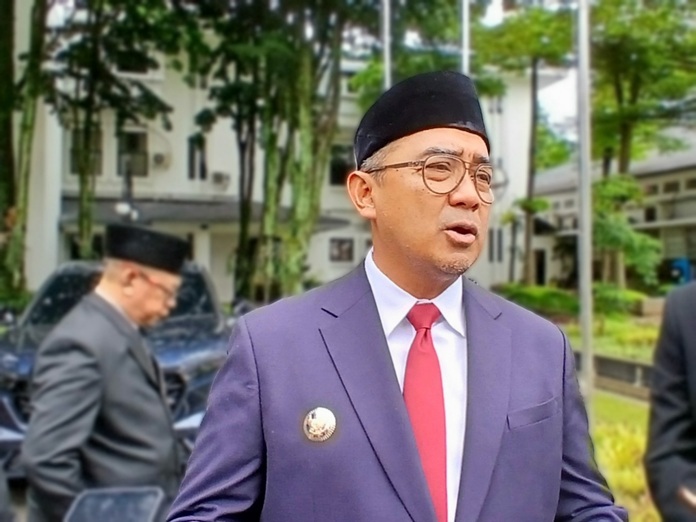
The City Government of Bandung is accelerating the strengthening of course and training programs as a key strategy to reduce the unemployment rate, which remains at 7.44 percent. The training strategy focuses on addressing the gap between formal education graduates and the constantly evolving real needs of the workforce.
Mayor of Bandung, Muhammad Farhan, emphasized that course and training institutions are now at the forefront of overcoming workforce mismatch. He noted that the mismatch issue has long been a major barrier to absorbing the labor force across various sectors.
Farhan highlighted the need to accelerate the adaptation of the training system to industry dynamics. The mismatch between graduate competencies and labor market needs is not only occurring in Bandung but is also a national phenomenon. This condition increases the risk of unemployment, especially among the productive age group.
To address this, Farhan is pushing for the transformation of course institutions to be more responsive to industry needs. Training programs should no longer be mere formalities but must be based on practical skills that can be directly applied in the workforce.
The City Government of Bandung is expanding access to training through cross-sector collaboration. The Education Office, the Manpower Office, and the Bandung City Regional House of Representatives are involved to ensure the program runs extensively and targets effectively.
“The training program targets the productive age population, especially those who do not yet have permanent jobs or are affected by industrial changes. The training focuses on improving skills relevant to current labor market needs,” said Farhan.
Farhan believes that without serious intervention, the unemployment rate could stagnate or even increase. Therefore, a training-based approach is seen as a concrete solution that can directly enhance the competitiveness of the workforce.
“The importance of synergy between the government and the industrial sector. Businesses must be involved in developing the training curriculum so that the material provided truly matches field requirements,” he said.
Furthermore, he noted that technological developments are a major factor changing workforce needs. Many old jobs are being replaced, while new types of jobs require different skills.
This changing condition demands that course and training institutions continuously innovate. Farhan reminded that training institutions should not stagnate and must be able to keep up with rapid technological developments.
Farhan revealed that the City Government of Bandung is opening broader opportunities for the public to participate in training with more flexible schemes, so there are no barriers to access, whether in terms of cost or time.
“Efforts that can reduce the gap between education and the workforce. Through more relevant skills, training graduates are more easily absorbed by industry,” he stated.
Farhan is optimistic that if the course and training programs run consistently and are integrated, the unemployment rate in Bandung can be gradually reduced. Improving competency is the key to facing job competition.
“Course and training institutions must continue to evolve following changes in technology and industry needs,” said Farhan.
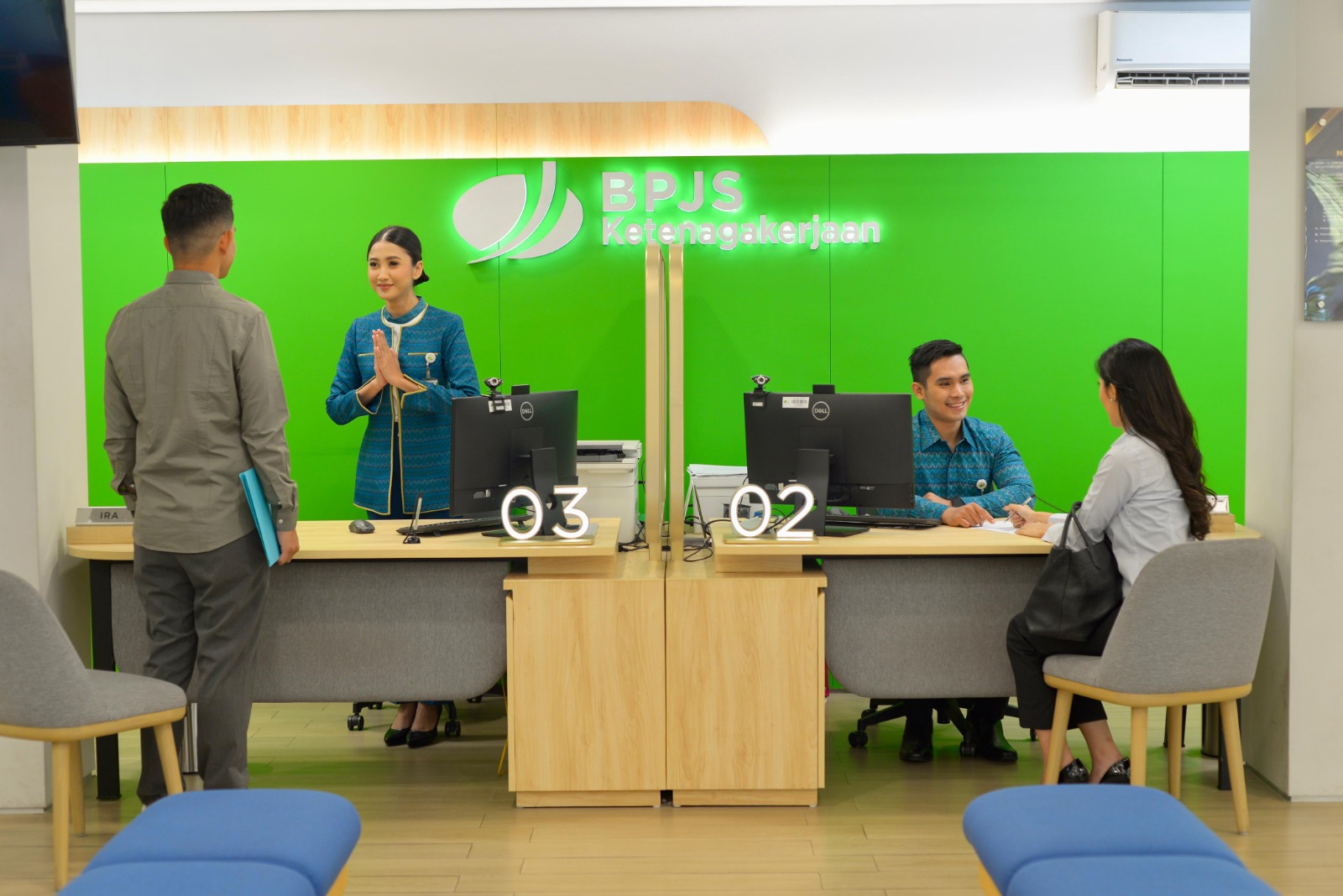
Good news for BPJS Employment participants who meet the requirements to claim the Old Age Savings Benefit. Starting May 2025, BPJS Employment participants with a maximum JHT balance of 15 million Indonesian Rupiah can withdraw their claim through the Jamsostek Mobile application, which can be downloaded from the App Store or Playstore.
JMO is the official BPJS Employment application providing digital services to participants, including information on BPJS Employment programs, registration, reporting and complaints, balance checks, and JHT claim submissions without having to visit a BPJS Employment office.
The JHT benefit can be paid when a worker enters retirement, experiences total permanent disability, or passes away, including when they stop working.
Claiming JHT is now much easier thanks to digitalization by BPJS Employment through the JMO application. Without needing to queue or go to a branch office, just via mobile phone, JHT claims of up to 15 million Indonesian Rupiah can be processed quickly and conveniently.
The increase in the claim limit on the JMO application is a tangible manifestation of BPJS Employment’s commitment to improving the quality of digital services. BPJS Employment continues to innovate so that all Indonesian workers can experience maximum benefits, allowing all Indonesian workers to work hard without worry.
The Head of the