Amid the ongoing war and its complex humanitarian consequences, the issue of the missing stands out as one of the most mysterious and difficult cases, with conflicting fates among thousands believed to still be under the rubble, and others who have disappeared under unclear circumstances.
In this context, the spokesman for the Civil Defense in the Gaza Strip, Mahmoud Basal, points to the challenges facing the relevant authorities in counting the number of missing persons and determining their fate.
Basal says that the missing persons file is one of the most difficult files, viewed as a key aspect of the war, explaining that it is divided into two parts:
- Missing under the rubble
- And others who left and did not return.
The Yellow Line
He adds that some of these individuals were far from the bombardment areas, but at some point they headed there, possibly even to the yellow line, before their traces vanished until now.
Basal adds that since the beginning of the war, the Civil Defense has relied on citizen testimonies to document numbers, as families reported how many people were inside targeted buildings, noting that the number reached over 10,000 missing at that stage.
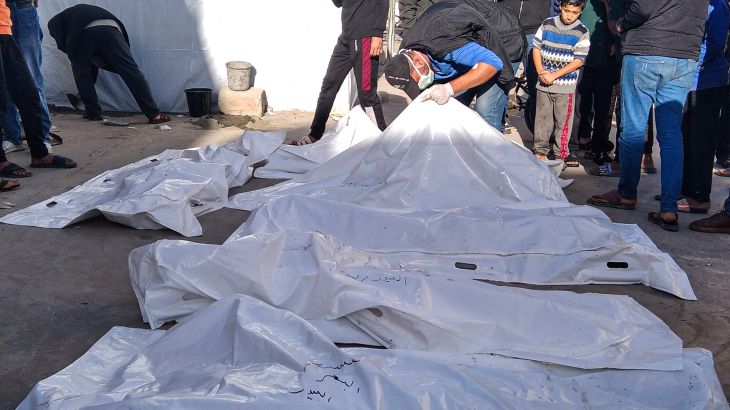
He continues that the process of recovering bodies began over the past five months in coordination with relevant authorities, with more than 1,500 citizens recovered through joint efforts between Civil Defense crews and citizens, while about 8,500 people, including children, women, the elderly, and patients from various segments of society, remain under the rubble.
Left and Did Not Return
Regarding the case of “those who left and did not return,” Basal explains that the Civil Defense receives daily reports from citizens, and more than 3,000 cases have been documented, with their fate still unknown.
He notes that these individuals went missing in various areas, including aid distribution points or near the yellow line, without confirmed information about their fate, with the possibility that some may have been detained.
Basal reveals that appeals have been made to the International Committee of the Red Cross and other international bodies to obtain the names of detainees held by the Israeli side, which would help in closing this file and clarifying the fate of the missing.
The lack of capabilities within the sector is among the toughest challenges facing the Civil Defense, as the tools or capacities needed to conduct an accurate census are unavailable amid the ongoing war, according to Basal, who emphasized that this file requires calm, stability, and resources.
The Civil Defense seeks to issue forms to be filled out by the families of the missing, whether for those whose traces have vanished or those believed to be under the rubble, aiming to reach accurate and confirmed data.