<
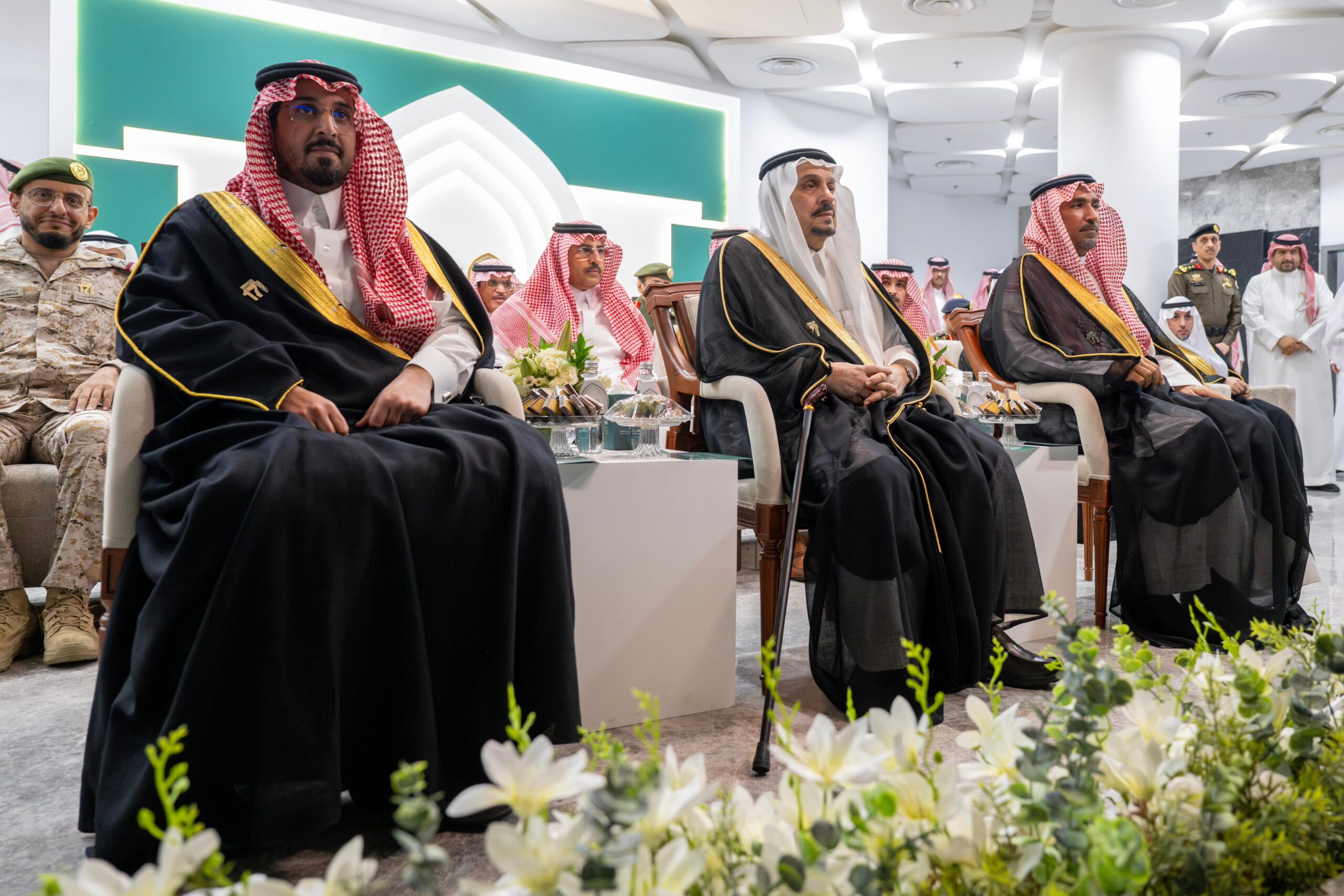
Prince Sattam bin Abdulaziz University
Prince Sattam bin Abdulaziz University is a public university located in Al-Kharj, Saudi Arabia, established in 2009 as an evolution of the former Al-Kharj University College. It was named after Prince Sattam bin Abdulaziz Al Saud, a former governor of Riyadh, to honor his contributions to education and development. The university offers a wide range of undergraduate and graduate programs across various fields, playing a key role in higher education and research in the region.
Al-Kharj Governorate
Al-Kharj Governorate, located in central Saudi Arabia near Riyadh, is a historically significant agricultural and trade hub. Its history dates back to ancient times, serving as a vital stop along caravan routes and later playing a key role in the unification of Saudi Arabia due to its water resources and strategic location. Today, it remains an important center for farming and industry, blending its rich heritage with modern development.
Riyadh Region
The Riyadh Region is the heart of Saudi Arabia, encompassing the capital city of Riyadh and its surrounding areas. Historically, the region was a crossroads for trade and pilgrimage, with its modern development accelerating after the unification of Saudi Arabia in 1932, when Riyadh was designated the capital. Today, it blends ancient heritage, including mud-brick fortresses and historic Diriyah, with rapid urbanization and economic growth.
King Saud University
King Saud University, founded in 1957 in Riyadh, is the first university established in Saudi Arabia and a leading institution of higher education in the region. It was originally named Riyadh University before being renamed in honor of King Saud bin Abdulaziz. The university has played a key role in modernizing Saudi education and research, expanding from a small college into a comprehensive university with numerous faculties and a renowned medical city.
Saudi Vision 2030
Saudi Vision 2030 is a strategic framework launched in 2016 to diversify Saudi Arabia’s economy, reduce its dependence on oil, and develop public service sectors such as health, education, infrastructure, and tourism. It was introduced by Crown Prince Mohammed bin Salman as a roadmap for long-term economic and social reforms, including initiatives to empower women and attract foreign investment. The vision aims to transform the kingdom into a global investment powerhouse and a hub connecting three continents.
Holy Quran
The Holy Quran is the central religious text of Islam, believed by Muslims to be the literal word of God (Allah) as revealed to the Prophet Muhammad through the angel Gabriel over a period of approximately 23 years. Its compilation began during the lifetime of the Prophet and was standardized under the third Caliph, Uthman ibn Affan, in the mid-7th century. The Quran serves as the foundation of Islamic faith, law, and spirituality, guiding over a billion Muslims worldwide in their daily lives and worship.
Custodian of the Two Holy Mosques
The title “Custodian of the Two Holy Mosques” refers to the King of Saudi Arabia, who serves as the protector of Islam’s two holiest cities: Mecca and Medina. The title was first officially adopted in 1986 by King Fahd bin Abdulaziz Al Saud, replacing the former term “His Majesty,” to emphasize the monarch’s religious role. It signifies the responsibility of safeguarding the Grand Mosque in Mecca and the Prophet’s Mosque in Medina, as well as overseeing the annual Hajj pilgrimage.
Kingdom of Saudi Arabia
The Kingdom of Saudi Arabia is a sovereign state in Western Asia, founded in 1932 by King Abdulaziz Al Saud through the unification of the Arabian Peninsula. It is the birthplace of Islam and home to its two holiest cities, Mecca and Medina, making it a central hub for millions of pilgrims annually. Rich in oil reserves, the country has transformed from a tribal desert society into a major global economic power while preserving its deep cultural and religious heritage.