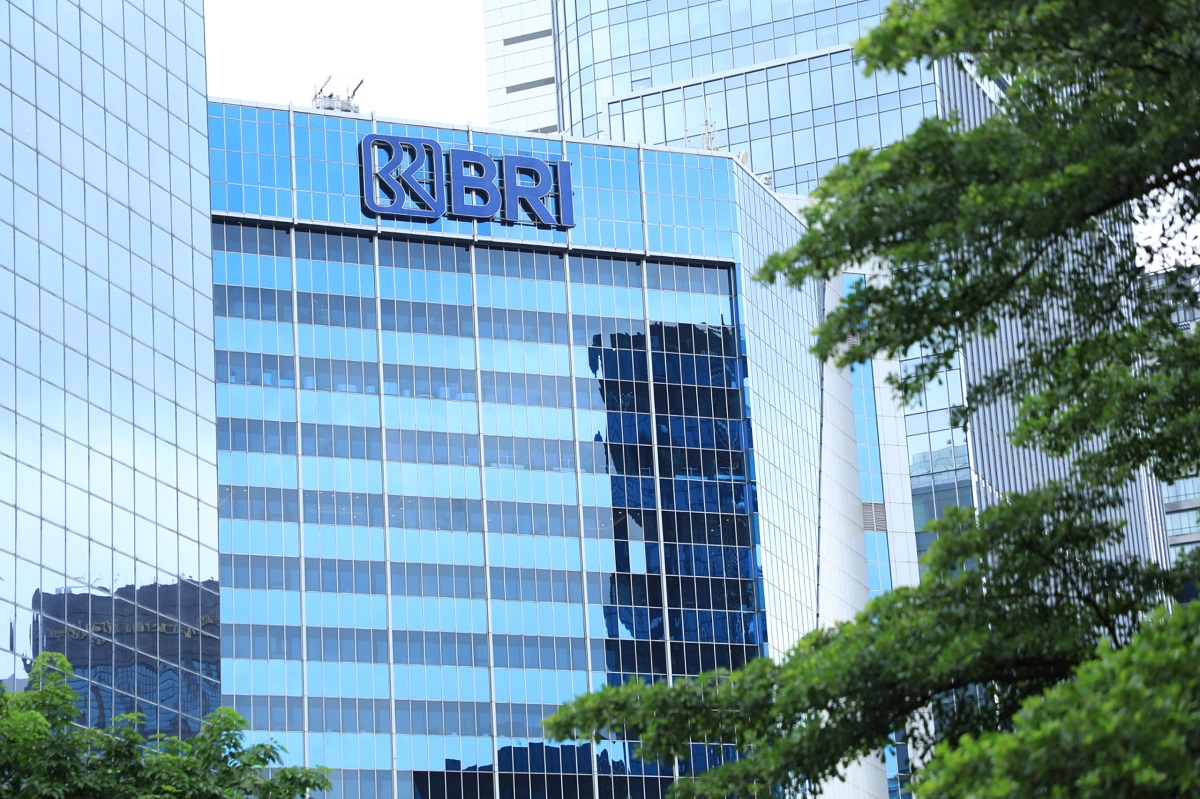
Forbes has released the list of the World’s Best Banks 2026. In this list, PT Bank Rakyat Indonesia (Persero) Tbk has been included among the 410 best banks in the world.
The President Director of BRI stated that this recognition from Forbes reflects the company’s success in balancing the BRIvolution Reignite transformation with healthy financial performance fundamentals.
“The company consistently drives comprehensive transformation, both in business, operations, and strengthening digital capabilities, while maintaining discipline in risk management and asset quality. This approach ensures that every expansion step is supported by strong capital structure and sustainable financial performance,” he said.
He added that the transformation is not only oriented toward growth but also toward improving service quality and customer experience.
“In our transformation, BRI not only focuses on digital acceleration but also ensures that service quality to customers is maintained comprehensively. This is key to building sustainable customer trust and loyalty,” he continued.
To compile the World’s Best Banks 2026 list, Forbes collaborated with research firm Statista to survey over 54,000 respondents across 34 countries and 17 languages. The survey was conducted from October 2025 to November 2025, where respondents were asked to express their satisfaction with each bank and their likelihood of recommending the bank to others.
Additionally, respondents evaluated banks based on five main criteria: trust (confidence in the bank’s performance), terms and conditions (fees and interest rates), customer service (wait times and employee problem-solving ability), digital services (ease of use of online platforms), and quality of financial recommendations.
In this context, BRI’s achievement in the list shows that the company is considered capable of maintaining customer trust through solid performance and strong fundamentals. On the other hand, BRI also ensures competitive products and services with transparent fee and interest rate structures, aligned with increasingly dynamic customer needs.
In terms of service, BRI consistently strengthens customer service quality by enhancing human resource capabilities and simplifying service processes to provide a faster and more responsive banking experience. This is supported by ongoing digital transformation through various platforms, such as BRImo and QLola by BRI, which provide end-to-end access to financial services.
Furthermore, BRI continues to develop its ability to provide relevant financial solutions and recommendations for customers, both in retail, SME, wholesale, and corporate segments. This approach is part of the company’s effort not only to provide banking services but also to be a financial partner that supports customer business growth and sustainability, in line with the spirit of “One Bank for All.”
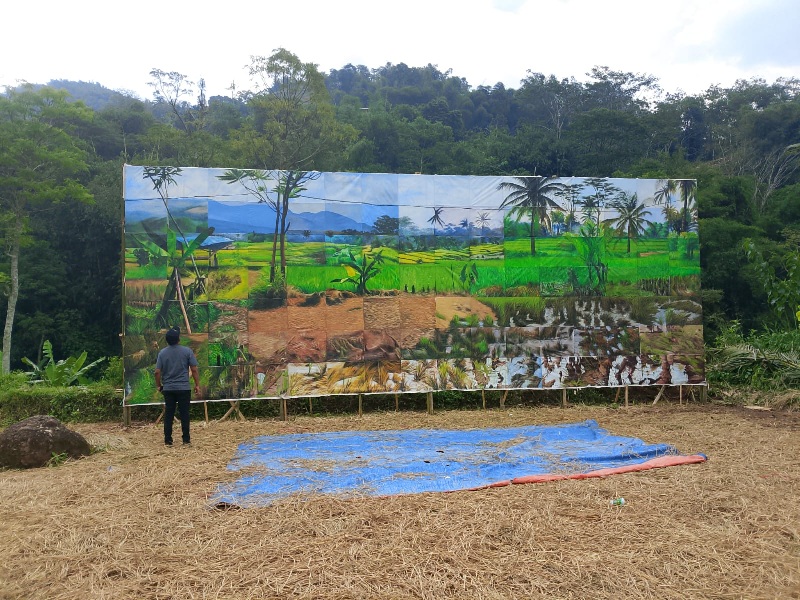
The Head of the Regional House of Representatives of Bandung Regency has emphasized the importance of cultural preservation as a main foundation in regional development.
She assessed that development should not solely focus on infrastructure and economic growth but must also strengthen the cultural values alive in the community.
According to her, local culture is a force that shapes the region’s character and serves as a buffer in facing changing times.
“Cultural preservation must go hand in hand with development so that Bandung Regency retains its identity,” she said.
She highlighted the importance of incorporating Sundanese philosophy into development direction, as reflected in the theme “Ngarawat Lembur, Ngaronjatkeun Zaman.” For her, “ngarawat lembur” is not just about physically maintaining the area but also caring for traditions, social values, and local wisdom passed down through generations.
Meanwhile, “ngaronjatkeun zaman” is interpreted as an effort to adapt to progress without leaving cultural roots. She also invited the younger generation to actively participate in preserving and developing local culture amidst modernization.
“This philosophy should become the direction of the Bandung Regency government’s development to build a better region,” she stated.
“Moreover, cultural preservation must be part of development policy, not just ceremonial activities,” she added.
With this approach, she hopes Bandung Regency can grow as an advanced region while remaining deeply rooted in its cultural identity.
“With collective commitment, local culture can continue to live and become a strength in sustainable development,” she concluded.