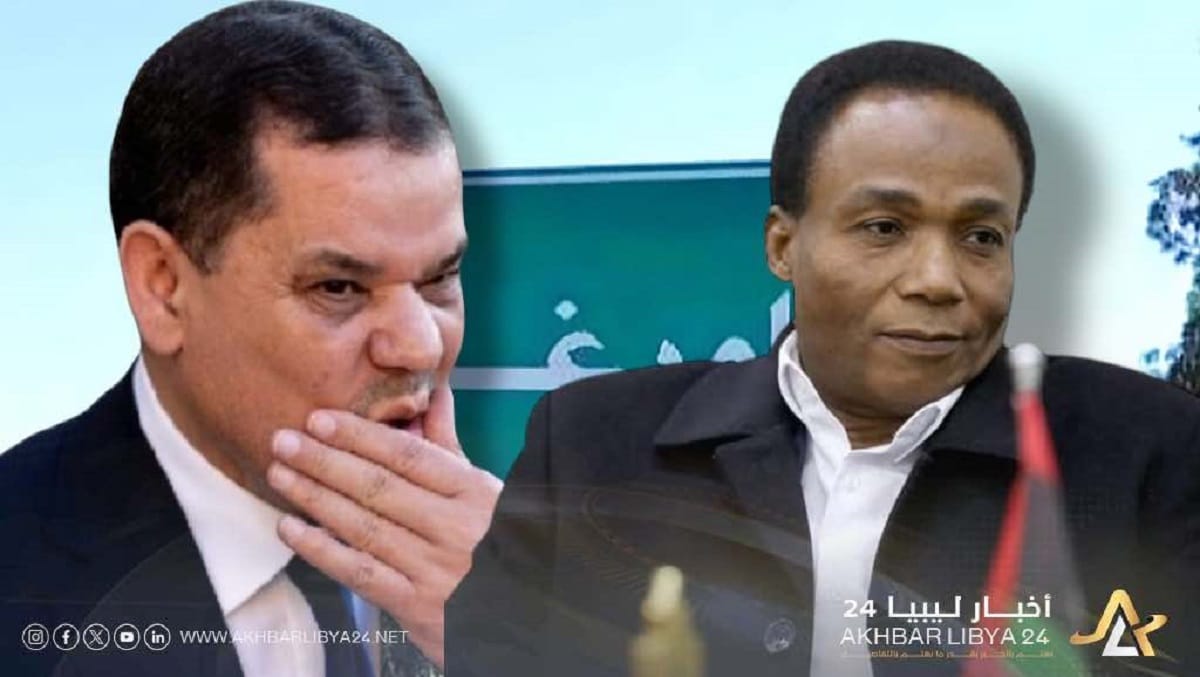
Member of Parliament Jaballah al-Shibani criticized the ongoing political deadlock in Libya, stating that remaining silent about holding a referendum on the constitution and delaying presidential and parliamentary elections perpetuates a status quo that enforces a political reality imposed away from the will of the people.
Al-Shibani explained in a post that promoting the so-called “Boulos” proposal is nothing more than an attempt to recycle the crisis instead of resolving it fundamentally, stressing that continuing this approach contributes to silencing citizens’ voices and prolonging the transitional period without a clear horizon.
-
Al-Shibani: The “Boulos” Proposal is Nothing More Than an Attempt to Recycle the Crisis
He pointed out that the solution lies in decisive steps by the UN mission, supported by the United States, starting with withdrawing recognition from the current government in Tripoli and ceasing to deal with it, instead of continuing to grant it de facto legitimacy.
-
Al-Shibani: The Solution Lies in Decisive Steps Starting with Withdrawing Recognition from the Current Government in Tripoli
He also called for setting a clear date for holding elections, in coordination with the High National Elections Commission, and under the same rules that were previously adopted before the electoral process was disrupted, noting that the obstacles that halted it were political, not technical.
-
Al-Shibani: The International Community Has the Capacity to Impose Sanctions on Obstructive Parties
Al-Shibani affirmed that the international community has the capacity to impose sanctions on obstructive parties if genuine will exists to do so, considering that taking such steps would return the democratic path to its correct course.
-
Al-Shibani: Achieving a Stable Democratic State Reflecting Libyans’ Aspirations Requires Bold and Clear Decisions
He concluded his statement by emphasizing that achieving a stable democratic state that reflects Libyans’ aspirations requires bold and clear decisions that put an end to the state of division and return power to the people through the ballot box.