The ongoing surge in crude oil prices due to worsening conditions in the Middle East continues. One of the hardest-hit sectors is dry cleaning shops, now at their peak season. War is putting pressure on the daily operations of small corner stores.
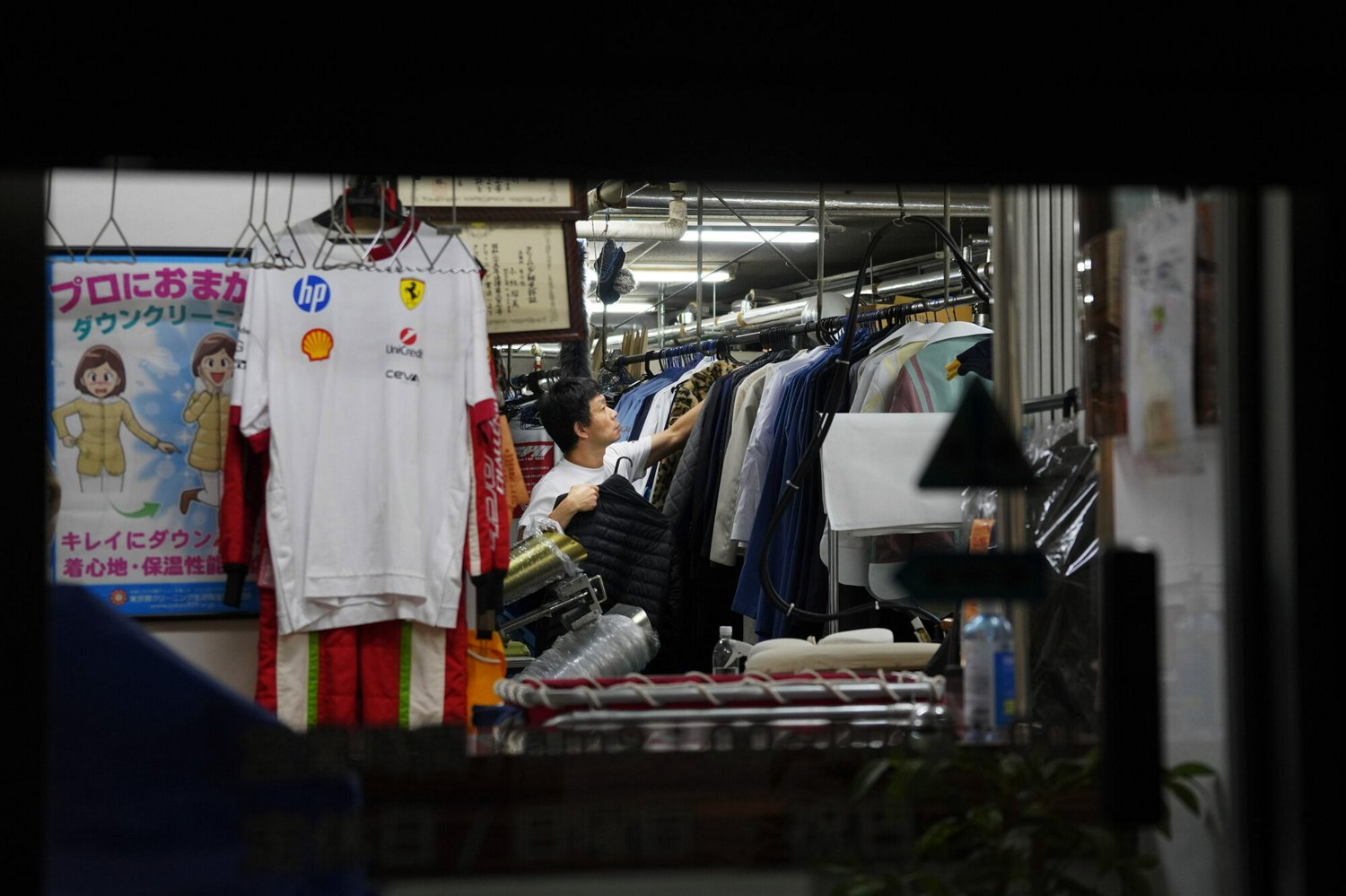
Located about a 10-minute walk from JR Osaki Station, the Kobayashi Laundry Factory was founded in 1935 and is operated by third-generation owner Fumiaki Kobayashi, aged 52.
Just before 11 a.m., inside the shop that also serves as a workspace, Fumiaki efficiently loads finished clothes into light blue cases and stacks them into a minivan for delivery. Before departure, his wife Rumi, 47, hands him two rice balls for lunch.
The shop handles 30% of orders at the counter and 70% through delivery and collection for corporate clients, processing between 500 and 1,000 items of laundry daily. “The cleaning industry works surrounded by petroleum products,” says Fumiaki.
“No Options” as Some Materials Rise Over 35%
For example, dry cleaning…