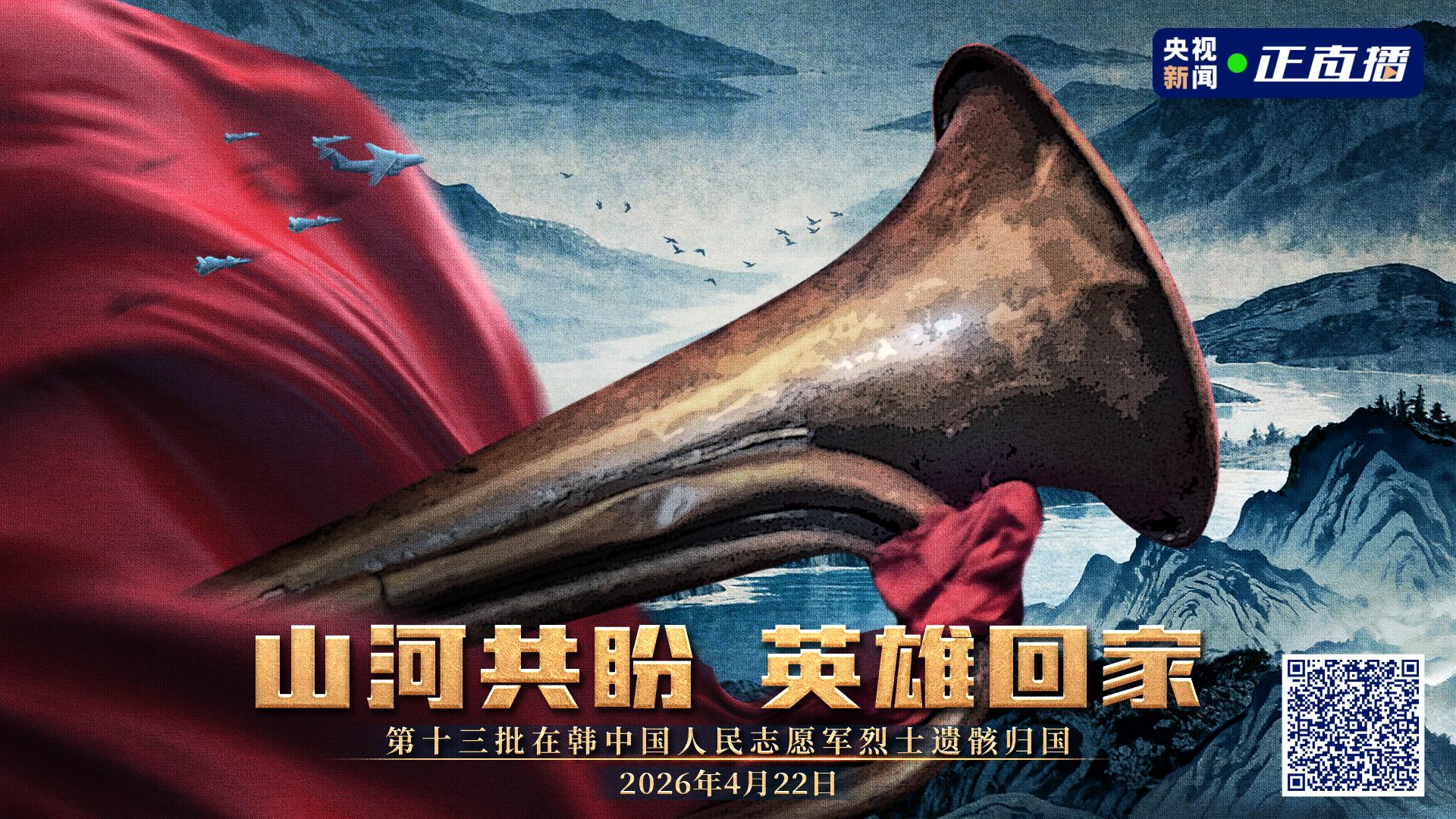
A video: The mountains and rivers welcome the loyal spirits.
October 1950
The Chinese People’s Volunteer Army crossed the Yalu River
Fought bloody battles to defend the homeland
Countless heroic sons and daughters
Left their youth and lives
In a foreign land
Since 2014
Twelve batches of 1,011 martyrs have returned
To the embrace of the motherland
On the eve of the return of the thirteenth batch of Chinese People’s Volunteer Army martyrs’ remains from South Korea
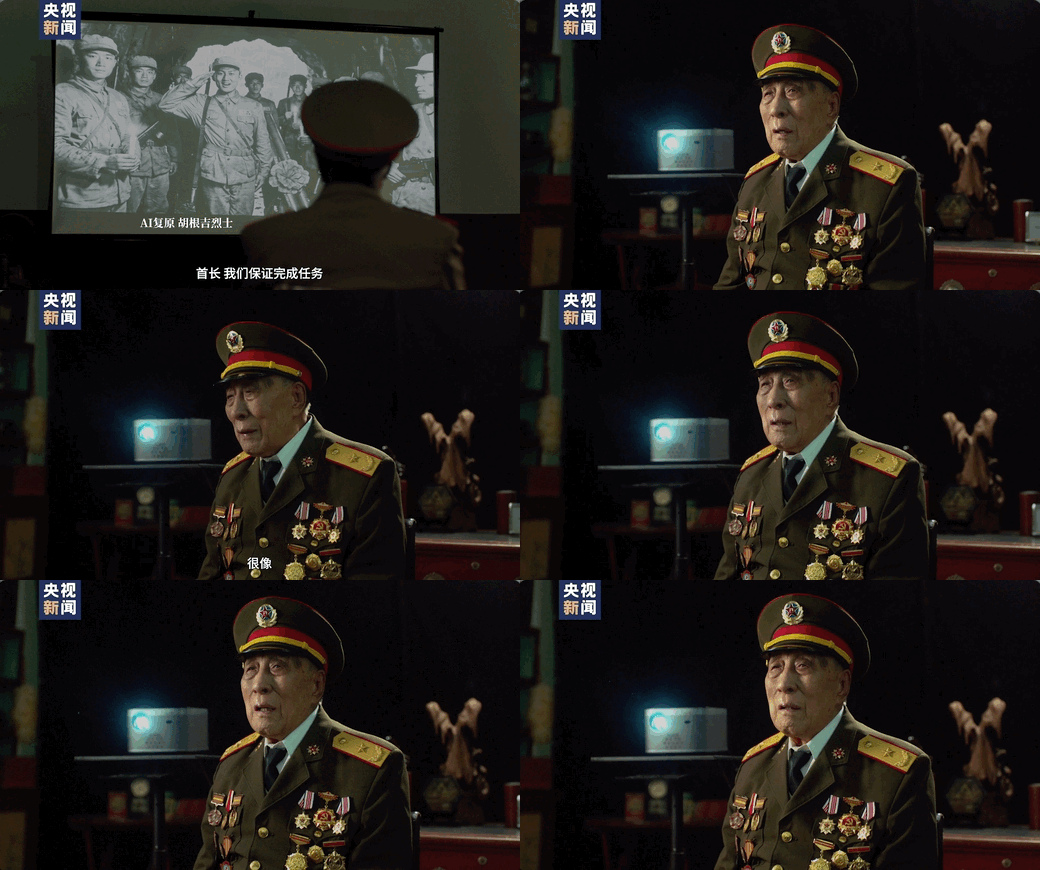
Veterans of the Volunteer Army were invited
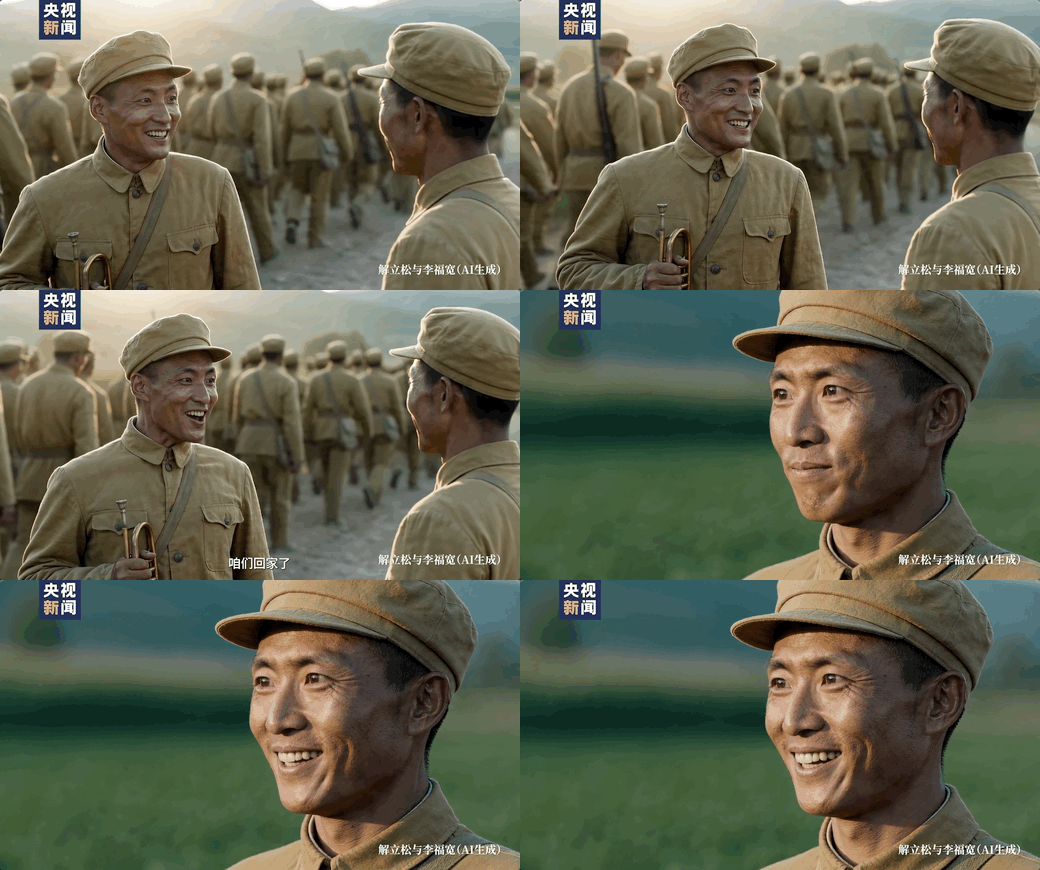
Using AI technology
To “meet” their former comrades again
“When the war ends,
We will go home together”
Those steadfast vows on the battlefield
Those unfulfilled wishes
Spanning over 70 years of arduous times
Have become today’s deep longing across mountains and rivers
Loyal souls will return
Mountains and rivers await
The motherland has never forgotten
The people will always remember
Tomorrow (April 22) at 9:00 AM
A live documentary will broadcast the return of the heroes
Join the livestream to pay tribute to the “most beloved people”!
Yalu River
The Yalu River forms a significant natural border between China and North Korea, stretching approximately 800 kilometers from the Changbai Mountains to the Korea Bay. Historically, it has been a site of strategic importance, most notably during the Korean War (1950-1953), when Chinese forces crossed the river to intervene in the conflict. Today, it serves as a symbol of the geopolitical relationship between the two nations and is a popular tourist destination for its scenic views and historical landmarks.
South Korea
South Korea is a vibrant East Asian nation known for its dynamic blend of ancient traditions and cutting-edge modernity. Its history spans thousands of years, from the Three Kingdoms period to the Joseon Dynasty, followed by Japanese colonization and the devastating Korean War, which led to its division. Today, South Korea is a global leader in technology and pop culture, with cultural sites like Gyeongbokgung Palace and the historic city of Gyeongju reflecting its rich heritage.