-
Pahalgam News: One year after the tragic terrorist attack in Pahalgam on April 22, 2025, as the first anniversary of the incident approaches, the valley is witnessing a tremendous surge in tourism. The terrorist attack claimed the lives of 26 people. In 2025, the incident caused a heavy drop in tourist numbers. Now, Pahalgam and other famous tourist destinations are once again buzzing with activity, reflecting a strong recovery in tourism.
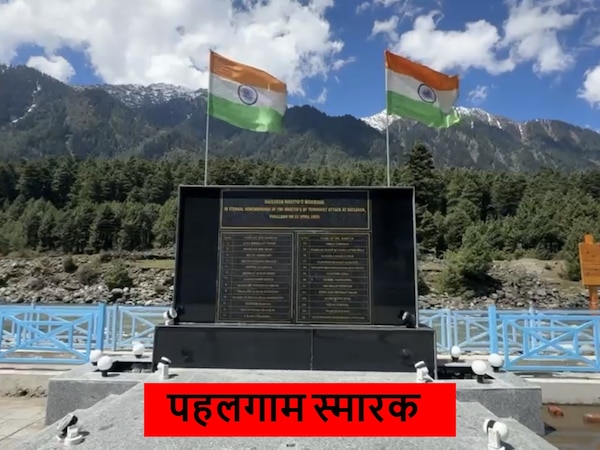
As the first anniversary of the April 22, 2025, terrorist attack approaches, a special memorial is becoming a main focal point for tourists and locals to pay tribute to the 26 victims.
This memorial was built by the government and is often called ‘Shaheed Marg’ (Martyr’s Path). It is constructed near Pahalgam’s famous ‘Selfie Point’ along the banks of the Lidder River. It serves as a permanent place in memory of the 25 tourists and one local pony handler who were killed in a ambush terrorist attack in the Baisaran meadow.
The memorial lists the names of all 26 victims, allowing visitors to offer flowers, light candles, and pray. Tourists visiting Pahalgam now consider it essential to stop at this ‘Shaheedi Smarak’ (Martyrs’ Memorial). As they read the names of those who were lost, their mood shifts from fun to deep thought and peace.
Tourist Arun Goel, who came to pay tribute at the martyr memorial, said, ‘We saw this and learned it is a memorial for the martyrs of the Pahalgam attack. We came here and paid our respects. Having this memorial here ensures those people will always live on; it is a great honor for them.’
Boosting tourism, government figures show that over 2.5 lakh tourists have visited Srinagar’s famous ‘Indira Gandhi Memorial Tulip Garden’ in the past month alone. This huge crowd highlights that Kashmir remains a highly attractive and essential destination for tourists. Officials and locals view this heavy presence as a strong response to the terrorists and their cross-border masters, whose aim was to damage the peace and tourism-dependent economy here.
The large number of returning tourists express complete trust in the security forces. Many tourists have stated that their decision to come here is based on current ground realities rather than past incidents. Several people described the area as safe and praised the hospitality of the locals. Comparing tourist arrival data, last April after the attack, Pahalgam had 0% bookings, and today in April, Pahalgam has 90% bookings. Tourists say the atmosphere has completely changed from fear to one of trust.
Urusha Jamwal, coming from Australia, said, ‘It is a coincidence that we are here during the days when the attack happened last year. That was very wrong. But to tell the truth, we have been here for four days, and we didn’t even realize that this is Kashmir and something happened here. The administration is alert, but the locals appeared very cooperative. Only two of us women came, and we never felt we were alone.’
The building of trust and feeling safe is the result of steps taken by the administration and local community to bridge the trust deficit and ensure security. A unique digital identification system (QR code) has been launched for all tourism service providers in Pahalgam. Tourists can scan these codes to instantly verify the proper identity, registration, and police clearance status of pony operators, shawl vendors, and shop owners, as well as others involved in tourism.
To further strengthen security and transparency, the administration has introduced QR code-based tracking methods. These codes have been issued to taxi drivers, shopkeepers, hotel staff, and tourist guides. This system also provides GPS-based monitoring, adding another layer of security.
Pony Association President Ejaz Ahmed said, ‘This is a very good step. Tourists will feel safe. When they learn from the code’s information that the person they are going with is registered and also police-verified, it will keep wrongdoers away and also increase our business.’
<p
Pahalgam
Pahalgam, located in the Kashmir Valley of India, is a scenic hill station and a popular tourist destination known for its lush meadows, pine forests, and the Lidder River. Historically, it served as a key base camp for the annual Amarnath Yatra pilgrimage, as well as a retreat for shepherds and traders along ancient trade routes. Today, it attracts visitors for its natural beauty and outdoor activities like trekking, fishing, and horseback riding.Baisaran Valley
Baisaran Valley, often called “Mini Switzerland of Kashmir,” is a picturesque meadow located near Pahalgam in Jammu and Kashmir, India. Historically, it has served as a serene grazing ground for shepherds and a rest stop for pilgrims traveling to the Amarnath cave shrine. Today, it is a popular tourist destination known for its lush green landscapes, pine forests, and snow-capped mountain views.Baisaran meadow
Baisaran Meadow, often called the “Mini Switzerland of Kashmir,” is a lush, sprawling grassland located in the Pahalgam region of Jammu and Kashmir, India. Historically, it has served as a serene grazing ground and a rest point for shepherds and travelers, and today it is a popular tourist destination known for its stunning views of snow-capped mountains and pine forests. The meadow’s pristine beauty and tranquil atmosphere have made it a favored spot for horse rides and picnics.Shaheed Marg
Shaheed Marg (Martyrs’ Way) is a historic road in New Delhi, India, named to honor the sacrifices of freedom fighters, particularly those executed during the Indian independence movement. It was formerly known as Irwin Road, renamed after independence to commemorate martyrs like Bhagat Singh, Rajguru, and Sukhdev, who were hanged by British authorities. The road serves as a powerful reminder of India’s struggle for freedom and the ultimate price paid by its heroes.Selfie Point
Selfie Point is a popular scenic overlook in the Indian state of Uttarakhand, located near the hill station of Mussoorie. It earned its modern name due to the breathtaking panoramic views of the Doon Valley and surrounding Himalayan peaks, which make it a favorite spot for tourists to take photographs. Historically, the area was a quiet vantage point, but its rise in popularity coincided with the social media era, transforming it into a must-visit destination for travelers seeking picturesque backdrops.Lidder River
The Lidder River is a scenic waterway in the Kashmir Valley, India, originating from the melting glaciers of the Kolahoi Mountain. It flows through the popular tourist town of Pahalgam and is historically significant as it has long served as a vital water source for local agriculture and as a route for pilgrims traveling to the Amarnath Cave. The river’s pristine beauty and trout fishing opportunities have made it a key attraction for visitors to the region.Shaheedi Smarak
Shaheedi Smarak, located in Bathinda, Punjab, India, is a memorial dedicated to the Sikh martyrs who sacrificed their lives during the struggle for religious and political freedom. It commemorates the supreme sacrifices of the Sikh community, particularly highlighting events like the martyrdom of the Chhote Sahibzade (the younger sons of Guru Gobind Singh) and other historical battles. The site serves as a solemn reminder of the resilience and bravery of those who fought against oppression.Indira Gandhi Memorial Tulip Garden
The Indira Gandhi Memorial Tulip Garden, located in Srinagar, Jammu and Kashmir, is Asia’s largest tulip garden, spanning over 30 hectares on the foothills of the Zabarwan Range. Established in 2007 to promote floriculture and tourism, it was originally named Siraj Bagh but was later renamed in memory of former Indian Prime Minister Indira Gandhi. The garden features terraced layouts with millions of tulip bulbs in multiple varieties, along with other seasonal flowers, and opens annually during the spring Tulip Festival.