German Chancellor Friedrich Merz stated that there is no justification for any American military intervention in Cuba, despite the increasing pressure exerted by U.S. President Donald Trump on the island in recent months.
Merz explained that Cuba, despite internal challenges related to its political system, does not pose a direct threat to any country.
Worsening global crises
He emphasized the need to resolve differences through peaceful and diplomatic means, warning that any military escalation could worsen global crises.
These statements were made during a press conference in Hanover, attended by Brazilian President Luiz Inácio Lula da Silva, who also reiterated his country’s rejection of any potential invasion of Cuba, just as he previously opposed military interventions in other countries.
In response, Cuban President Miguel Díaz-Canel announced that his country is on standby for any potential attack, amid repeated warnings from Washington, where Trump described Cuba as “the next target” following developments in other countries.
Rising tensions
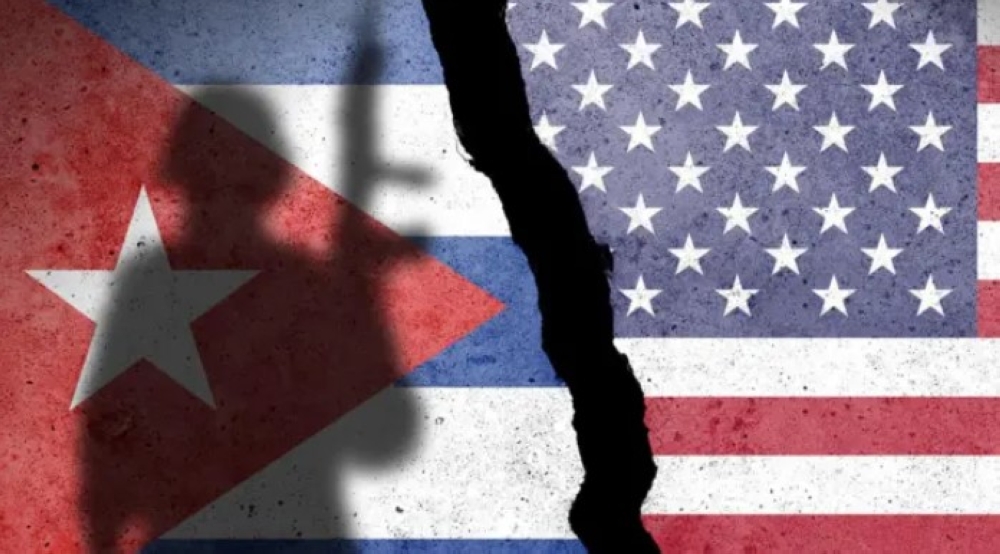
Relations between the two countries are experiencing rising tensions, especially after Washington imposed an oil blockade on Cuba, worsening its economic crisis, along with U.S. statements warning of “consequences” if an agreement is not reached.
Spain, Mexico, and Brazil also expressed on Saturday their deep concern over the “tragic situation” in Cuba, which has faced months of pressure from U.S. President Donald Trump, and called for a “dialogue based on honesty and respect” with Havana.