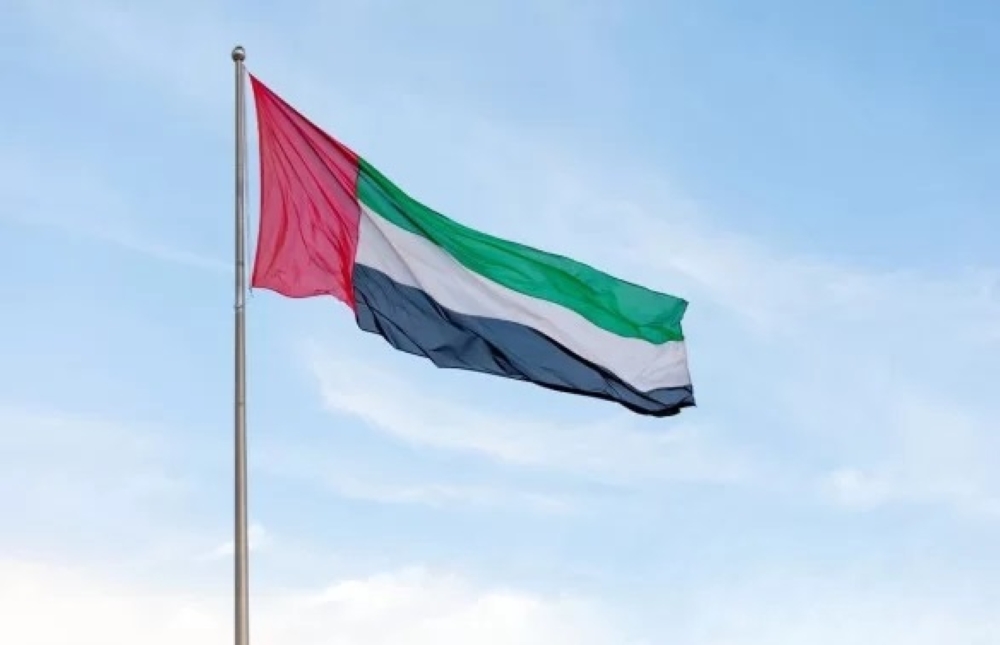
The UAE announced on Monday the dismantling of an organization it said was linked to Iran and was planning to carry out “systematic terrorist and sabotage acts” in the country, and the arrest of its members.
The UAE State Security Service, which published photos and names of 27 individuals, confirmed in a statement “the dismantling of a terrorist organization and the arrest of its members, for their involvement in covert activity aimed at undermining national unity and destabilizing stability, through planning to carry out systematic terrorist and sabotage acts on the state’s territory.”
It added, “Investigations with the organization’s members revealed its connection to the Wilayat al-Faqih in Iran.”
Secret Meetings
The statement indicated that the organization’s members “held secret meetings inside and outside the country with terrorist elements and suspicious organizations, with the aim of spreading misleading ideas to Emirati youth and recruiting them for the benefit of external loyalties to incite against the state’s foreign policy and internal procedures, and attempting to portray the state in a negative light,” in addition to “collecting money informally and transferring it to suspicious external entities.”
The UAE, along with Bahrain and Kuwait, recently announced the arrest of organizations it says are linked to Iran that aimed to undermine security and stability.
Terrorist Network
Emirati authorities said last month they had dismantled a “terrorist network” linked to Iran and Lebanese Hezbollah and arrested at least five of its members.
Some of the arrests came during the war in the Middle East that erupted on February 28 and was halted by a two-week ceasefire that took effect on April 8.
During the war, the UAE, along with other Gulf states, was subjected to extensive Iranian missile and drone attacks targeting military bases and American interests, also hitting airports, ports, oil facilities, and residential areas.