
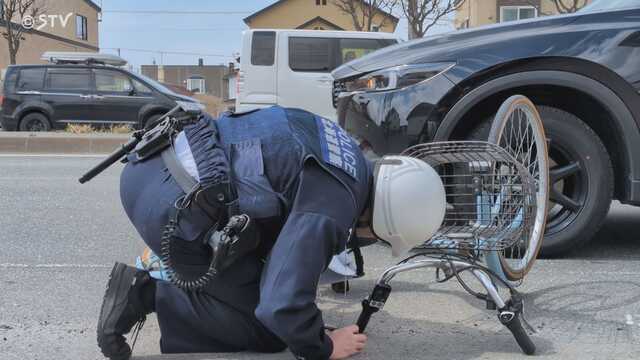
On April 18, 2026, a collision occurred between a passenger car and a bicycle on a national highway in Wakkanai City, Hokkaido.
The accident happened at an intersection where a national highway and a municipal road cross in Wakkanai City’s Hagimi 4-chome.
Around 10:40 a.m. on the 18th, a passenger car, which was proceeding on a green light and attempting to make a right turn at the intersection, collided with a bicycle that was crossing the pedestrian crossing.
In this accident, the woman in her 70s who was riding the bicycle fell and hit her head. She was taken to the hospital, but her life is not in danger.
The police are investigating the detailed circumstances at the time.
Wakkanai City
Wakkanai City is Japan’s northernmost city, located on the island of Hokkaido. Historically, its development was closely tied to fishing and as a strategic port for trade and travel with Sakhalin. Today, it is known as a gateway to the Rishiri and Rebun islands and features landmarks like Cape Sōya, which marks the northern tip of Japan.
Hokkaido
Hokkaido is Japan’s northernmost and second-largest island, historically inhabited by the indigenous Ainu people before significant Japanese settlement began in the late 19th century during the Meiji era. Today, it is renowned for its vast natural landscapes, major cities like Sapporo, and distinct seasonal attractions, blending its unique cultural heritage with modern development.
Hagimi 4-chome
“Hagimi 4-chome” is a district within the city of Tsu in Mie Prefecture, Japan, primarily known as a residential and commercial area. While it doesn’t have a globally recognized historical monument, the broader Tsu region has a long history as the seat of the Tsu Domain during the Edo period and is known for its connection to traditional festivals like the Tsu Tenjin Festival.
Sakhalin
Sakhalin is a large, elongated island in the Russian Far East, historically inhabited by indigenous peoples like the Nivkh and Ainu. Its modern history is marked by competing Russian and Japanese claims, with control shifting between the two nations several times before it was fully secured by the Soviet Union after World War II. Today, it is known for its rugged natural landscapes and significant oil and gas resources.
Rishiri
Rishiri is a small, circular volcanic island located off the coast of Hokkaido in northern Japan, dominated by the iconic cone of Mount Rishiri. Historically, it was a site for herring fishing and trade with the indigenous Ainu people, who revered the mountain as a spiritual deity. Today, it is part of Rishiri-Rebun-Sarobetsu National Park and is renowned for its dramatic alpine scenery and hiking trails.
Rebun
Rebun is a small island located off the northern coast of Hokkaido, Japan, known for its stunning alpine flowers and dramatic coastal scenery, earning it the nickname “The Floating
Wakkanai City
Wakkanai City is Japan’s northernmost city, located on the island of Hokkaido. Historically, it developed as a major port for fishing and trade, particularly with Sakhalin, and gained strategic importance during the 20th century. Today, it is known as a gateway to the Rishiri and Rebun islands and features landmarks like Cape Sōya, the point closest to mainland Russia.
Hokkaido
Hokkaido is Japan’s northernmost and second-largest island, historically inhabited by the indigenous Ainu people before significant Japanese settlement began in the late 19th century during the Meiji era. Today, it is renowned for its vast natural landscapes, major cities like Sapporo, and distinct seasonal attractions, blending its unique cultural heritage with modern development.
Hagimi 4-chome
“Hagimi 4-chome” is a residential district in the city of Ube, Yamaguchi Prefecture, Japan. It is primarily known for being the birthplace and childhood home of the renowned author **Mori Ōgai** (1862-1922), a major figure in modern Japanese literature. The area preserves this historical connection, though the specific site of his former residence is part of the broader cultural heritage of Ube City.
Sakhalin
Sakhalin is a large, forested island in the Russian Far East, historically inhabited by indigenous peoples like the Nivkh and Ainu. Its modern history is marked by competition between Russia and Japan, who both controlled parts of the island before it fully came under Soviet rule after World War II. Today, it is known for its significant oil and natural gas reserves and rugged, remote landscapes.
Rishiri
Rishiri is a small, circular volcanic island located off the coast of Hokkaido in northern Japan, dominated by the iconic cone of Mount Rishiri. Its name, derived from the Ainu language meaning “high island,” reflects its long history as a landmark for fishermen and a place of spiritual significance for the indigenous Ainu people. Today, it is part of Rishiri-Rebun-Sarobetsu National Park, renowned for its alpine hiking, unique flora, and remote coastal scenery.
Rebun
Rebun is a small island located off the northern coast of Hokkaido, Japan, known as the “Floating Island of Flowers” for its diverse alpine flora. Historically, it has been inhabited by the indigenous Ainu people and later by Japanese settlers, with its economy traditionally based on fishing and kelp harvesting. Today, it is part of the Rishiri-Rebun-Sarobetsu National Park and is a popular destination for hiking and nature tourism.
Cape Sōya
Cape Sōya is the northernmost point of Japan’s main island of Hokkaido, known for its iconic monument and stark, windswept landscape. Historically, it has been a significant navigational landmark and is closely associated with the indigenous Ainu people, who called it “Sōya” meaning “the cape of the rocky shore.” Today, it is a popular tourist destination where visitors can view the nearby Russian island of Sakhalin on clear days.
Mount Rishiri
Mount Rishiri is a dormant stratovolcano located on Rishiri Island off the northern coast of Hokkaido, Japan. Its near-perfect conical shape, rising dramatically from the sea, has earned it the nickname “Rishiri Fuji” for its resemblance to Mount Fuji. The mountain is considered sacred in the Ainu indigenous culture and is a central feature of Rishiri-Rebun-Sarobetsu National Park.
Related news

“A bear-like creature crossed the road…” A bear approximately 1 meter long spotted crossing a street in Sapporo’s Minami Ward
On July 20, 2025, the Minami Police Station in Sap...
New Motomachi Police Box Opens in Sapporo, Aiming for Community Safety
The Sapporo Higashi Police Station resumed operati...

“Drop the weapon” — emergency drill for children’s indoor facility simulates a suspicious person carrying a blade in Nanporo Town
In the town of Nanporo, Sorachi, a training exerci...
Glowing orchids also introduced: Learning how to enjoy and cultivate Western orchids in Iwamizawa.
On the final day, the 12th, of the "Iwamizawa West...
New Road Exhibition: No Top Prize Awarded for the First Time in 23 Years
The winners and selected entries of the 69th Shin-...