Central Government Directed to Take Immediate Diplomatic Steps and Ensure Safety
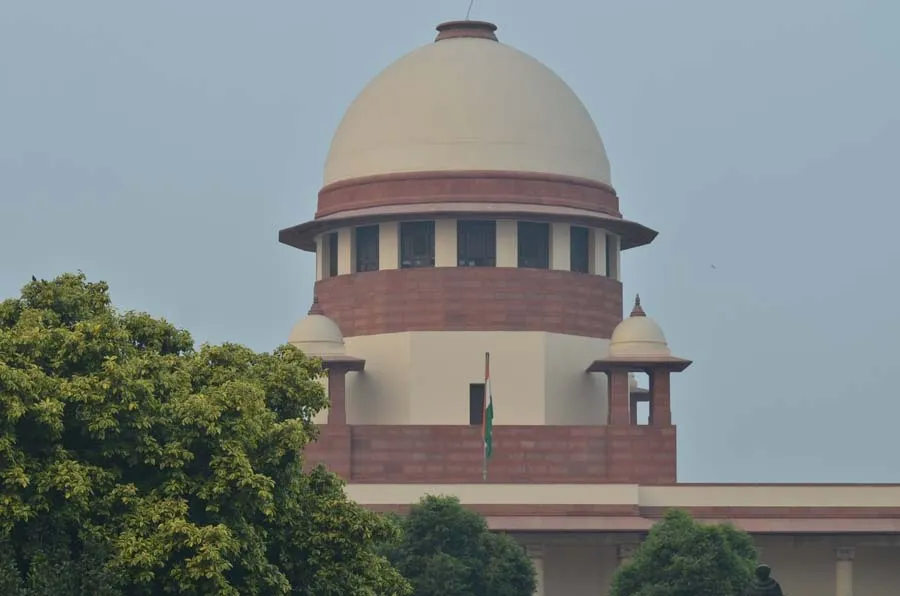
The Supreme Court has agreed to consider a petition seeking the safe return of 26 Indian citizens allegedly detained in Russia and forced to fight in the Ukraine war.
The bench, considering the seriousness of the matter, has ordered the Solicitor General to seek instructions from the central government.
The petitioners’ counsel informed the court that these Indian citizens are trapped in extremely unsafe conditions on the battlefield and are being compelled to participate in military activities against their will.
The petition filed in court demands that the central government be directed to take immediate diplomatic and consular steps through the Indian Embassy in Russia.
It calls for providing consular access to these Indians under the Vienna Convention (1963) and bilateral agreements to accurately ascertain their current legal status and safety.
The Solicitor General has assured the bench of conducting a thorough investigation into the matter and informing the court of the government’s instructions. The top court has scheduled the next hearing in the case for the end of this month.
The petition emphasizes that the Indian government must make all necessary efforts, within the scope of international laws, for the dignity, safety, and repatriation of these citizens to India.
This case comes at a time when there are continuous reports of many Indians being trapped amid the Russia-Ukraine conflict. Following the Supreme Court’s intervention, there is now hope that the central government will expedite the process of locating these youths and bringing them home safely.
All eyes are on the response to be presented by the government in the upcoming hearing.