Changping’s Huilongguan and Tiantongyuan are Beijing’s super-large residential areas. For a long time, they were dense residential coordinates on the map, but due to a lack of public amenities and an imbalance between jobs and housing, they were labeled as “bedroom communities.”
Change began in 2018. With the successive implementation of Beijing’s two rounds of the “Huitian” action plan, an investment of 43.7 billion yuan was transformed into 246 specific livelihood projects, planting the seeds of life in this former “concrete forest.” Today, when we revisit “Huitian,” we find it has quietly transformed: the once monotonous commute is now linked by parks, schools, and commercial districts right at residents’ doorsteps, weaving a rich living circle. The former “bedroom community” is stepping towards a “city of vitality.”
Morning
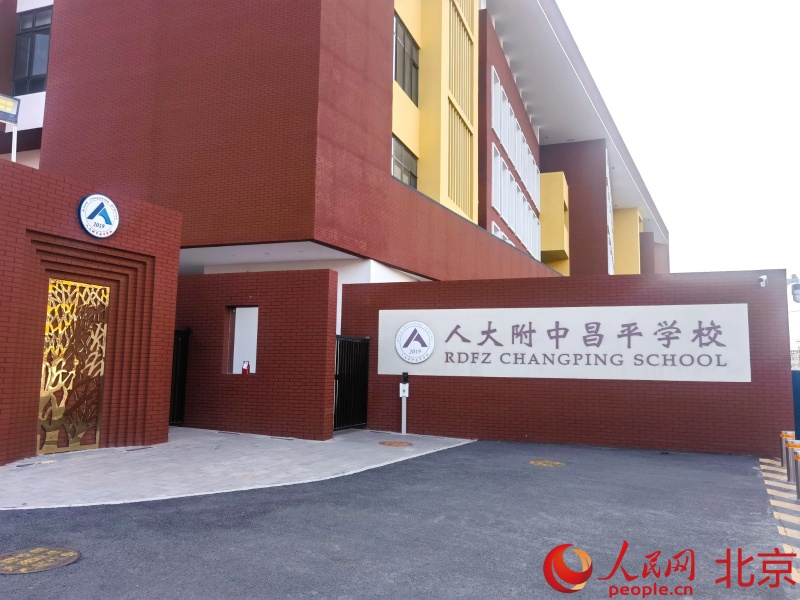
The High School Affiliated to Renmin University of China, Changping School
At 7:40 in the morning, Principal Qin stands by the roadside as usual to greet students.
He clearly remembers that seven years ago when he first arrived, the ground beneath his feet was a bumpy temporary road—muddy on rainy days and dusty on sunny ones.
Now, beside the wide and smooth road, elderly people are stretching and exercising in a pocket park.
“I watched this school being built,” said Ms. Zou, a parent whose family lives in the neighborhood right next to the school. Seven years ago, the “Huitian” area suffered from a scarcity of quality educational resources. Parents had to commute across districts daily for their children to attend a good school.
Now, the Changping School not only offers integrated education from elementary through high school but has also formed an education group, radiating quality resources to other parts of Changping. “The teachers here have high academic qualifications, with an average age under 29. They bring not only knowledge but also a positive, energetic spirit,” Ms. Zou said with a smile. “The kids come home from school every day chattering about fun things that happened.”
From “cross-district commutes” to “just downstairs,” the school gate in the morning no longer echoes with anxious car horns, only the light footsteps of students.
Noon
Longze Neighborhood Center
“When does it open?” “What’s good on the menu today?”
Even before mealtime, a line has formed outside the community canteen at the Longze Neighborhood Center in Changping’s “Huitian” area.
“Very soon, you can go in and take a look first!”
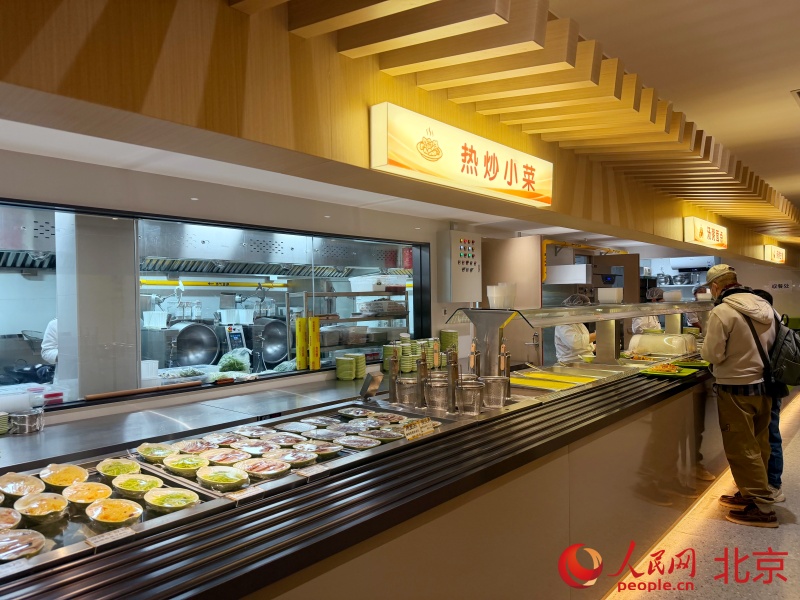
“Before, for lunch we either ordered takeout or made do at an old shopping mall a few kilometers away,” said Grandma Zhang. “Now, the canteen is right downstairs. After eating, I can go upstairs to the library and read a few pages.”
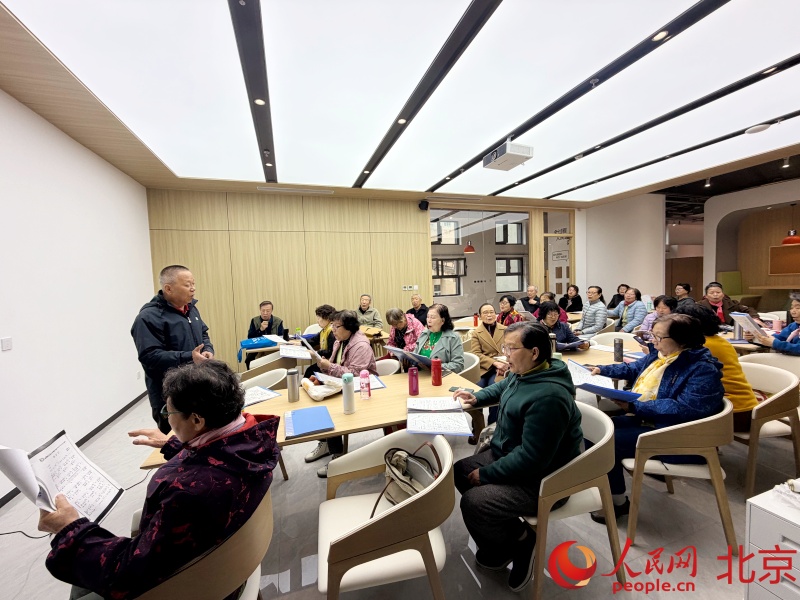
Inside the Neighborhood Center, the handmade bread from the bakery sells out in seconds. The barbershop charges ten yuan per haircut, five for those over 80. The second floor houses a study room, a book café, and a children’s activity area. Young people relax here, elderly people sing here, and children play here.
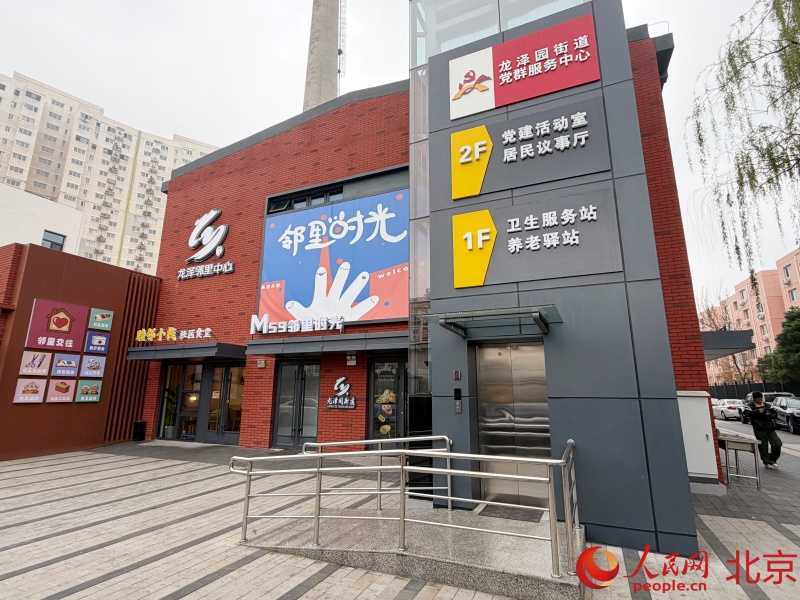
Who would have thought that this modern space was, just a few years ago, a dusty, abandoned coal storage shed? It has now been transformed into an all-ages-friendly “living room” for residents.
Grandpa Li, who has lived in Longzeyuan for over twenty years, has witnessed the community’s changes firsthand. He visits the Neighborhood Center several times a week to eat, read, and participates in the choir on Wednesday and Thursday mornings. “Before, with nothing to do, I could only watch TV at home. Now, my daily schedule is packed full.”
The