Osaka Chuo Ward: The aroma of matcha spreads! From April 1st, ‘Castella Ginsho Shinsaibashi Main Store’ is selling ‘Uji Matcha Castella’!
We have received information about a new product currently on sale at a store in Osaka!
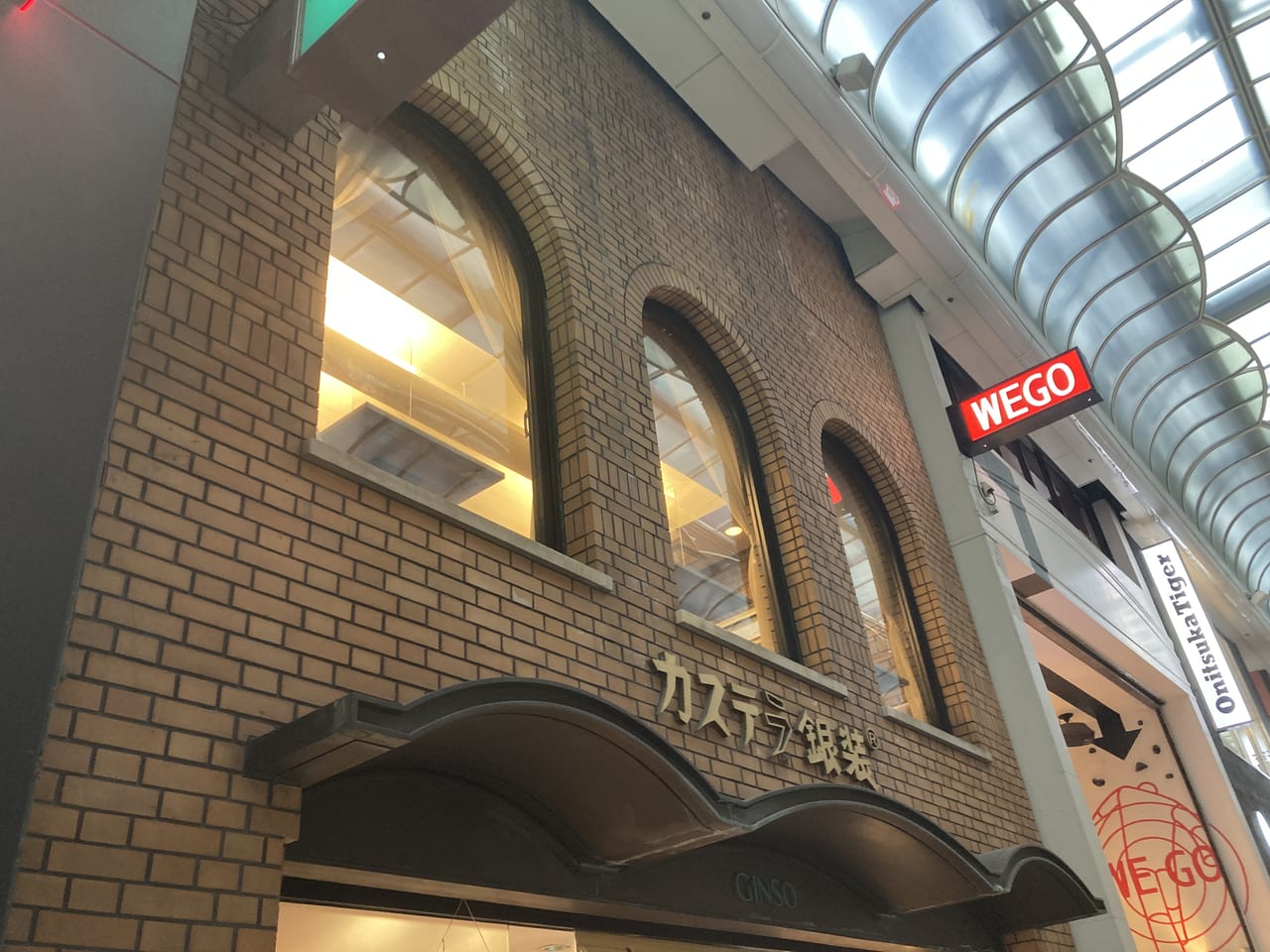
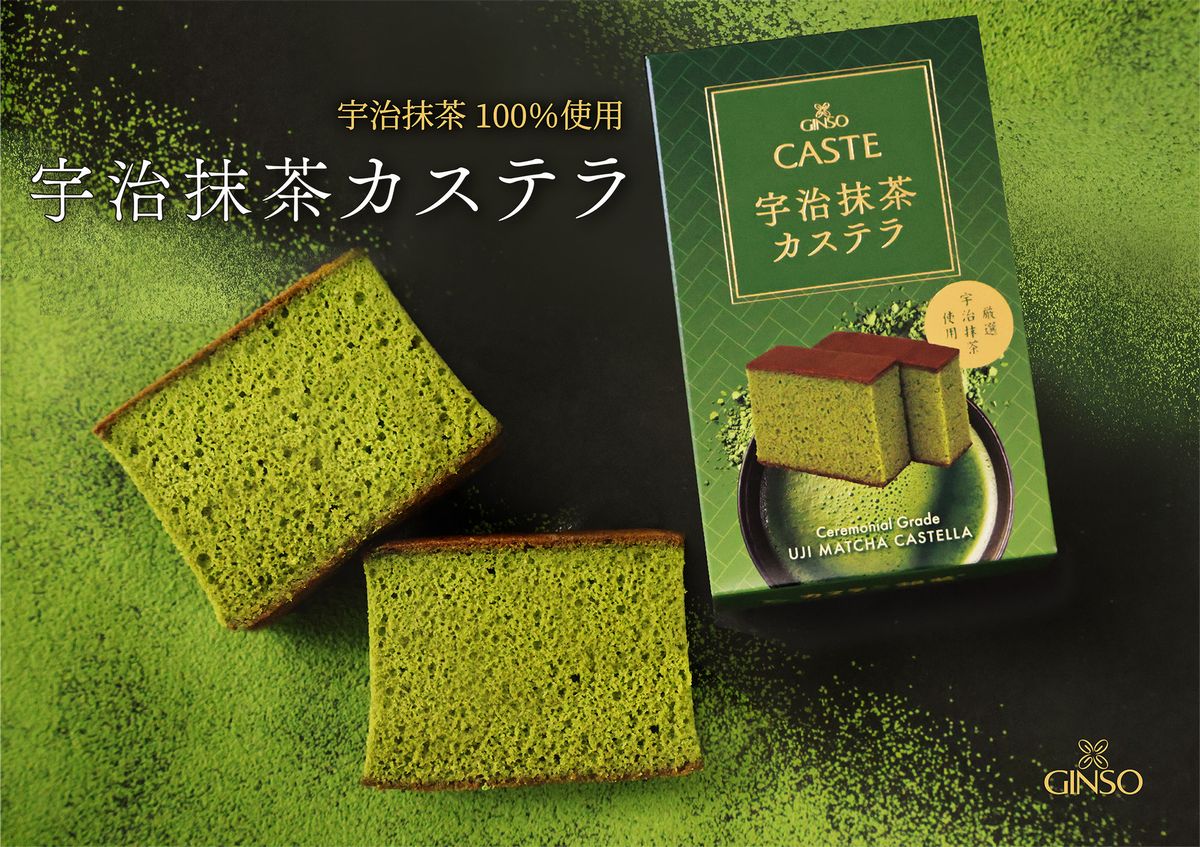
According to the information received, it appears that ‘Uji Matcha Castella’ has been on sale at the ‘Castella Ginsho Shinsaibashi Main Store’ since Wednesday, April 1, 2026!
As noted, the ‘Uji Matcha Castella’ is a renewed product, created in collaboration with ‘Tsuboichi Seicha Honpo’, a famous tea producer from Sakai, Osaka, and now uses only Uji matcha, revamping the previous matcha castella.
Provided image.
It is characterized by a noble aroma, a slight bitterness, and the distinct presence of Uji matcha that remains even after being mixed into the castella batter and baked. Why not take this opportunity to try the ‘Uji Matcha Castella’?
For more details, please check.
The ‘Shinsaibashi Main Store’ is located here↓
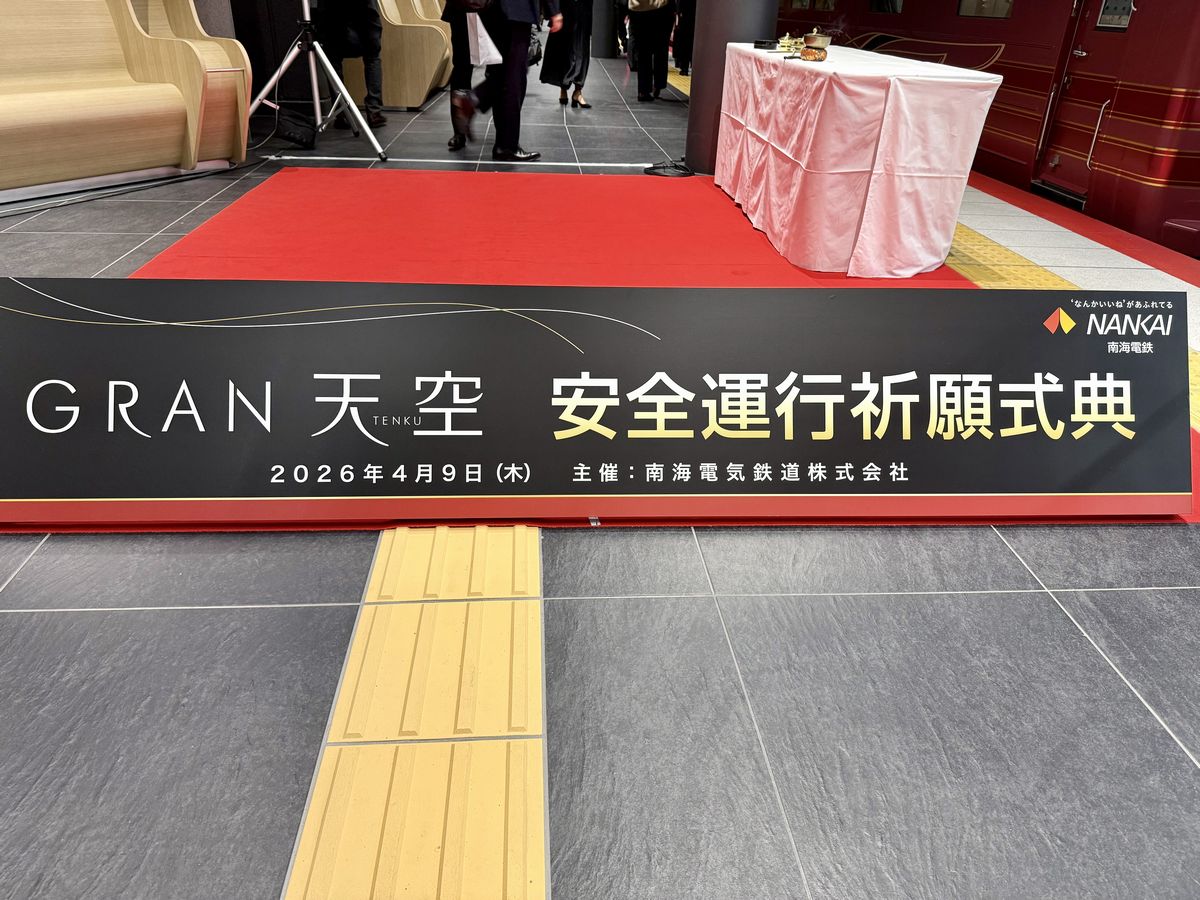
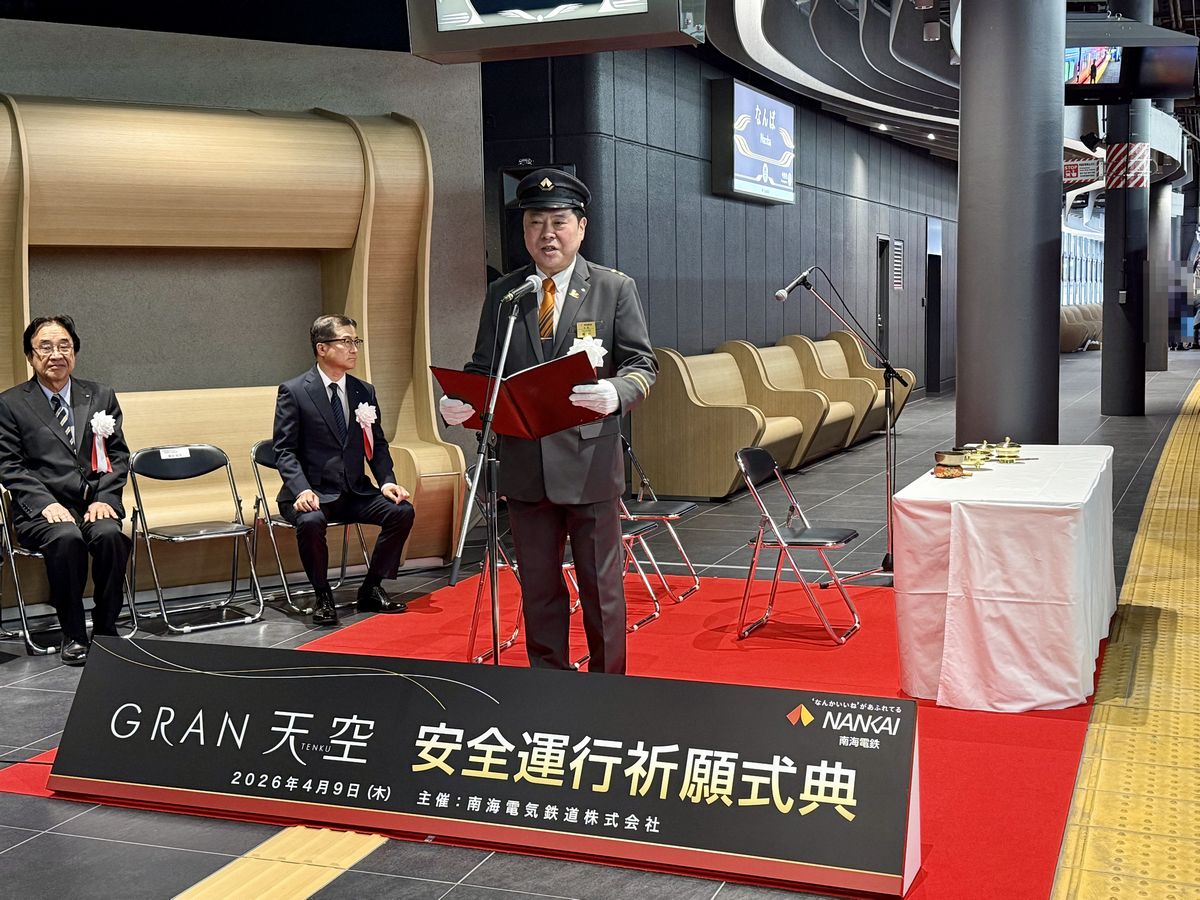
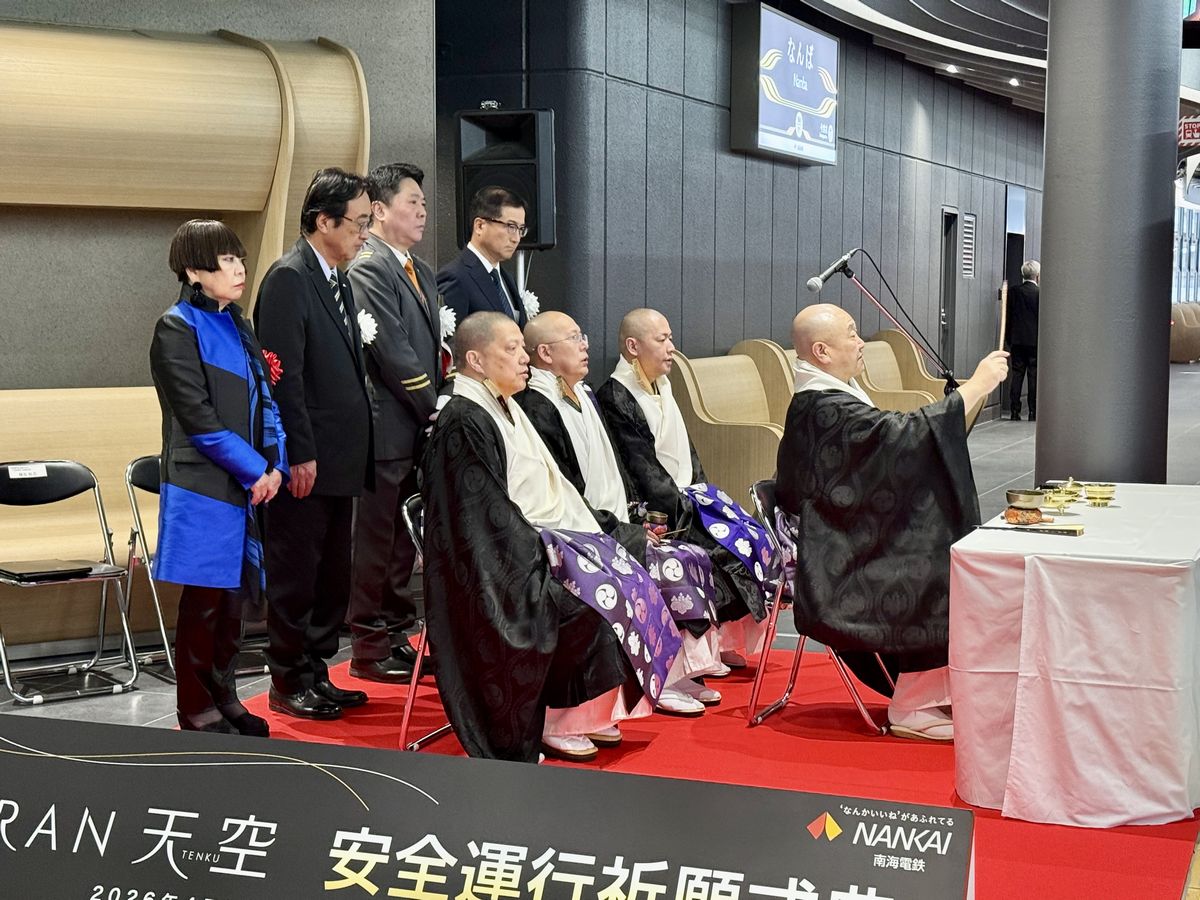
A safety ceremony for the ‘GRAN Tenku’ was held at Nankai Namba Station in Chuo Ward, Osaka City, on Thursday, April 9, 2026, and we had the special opportunity to attend!
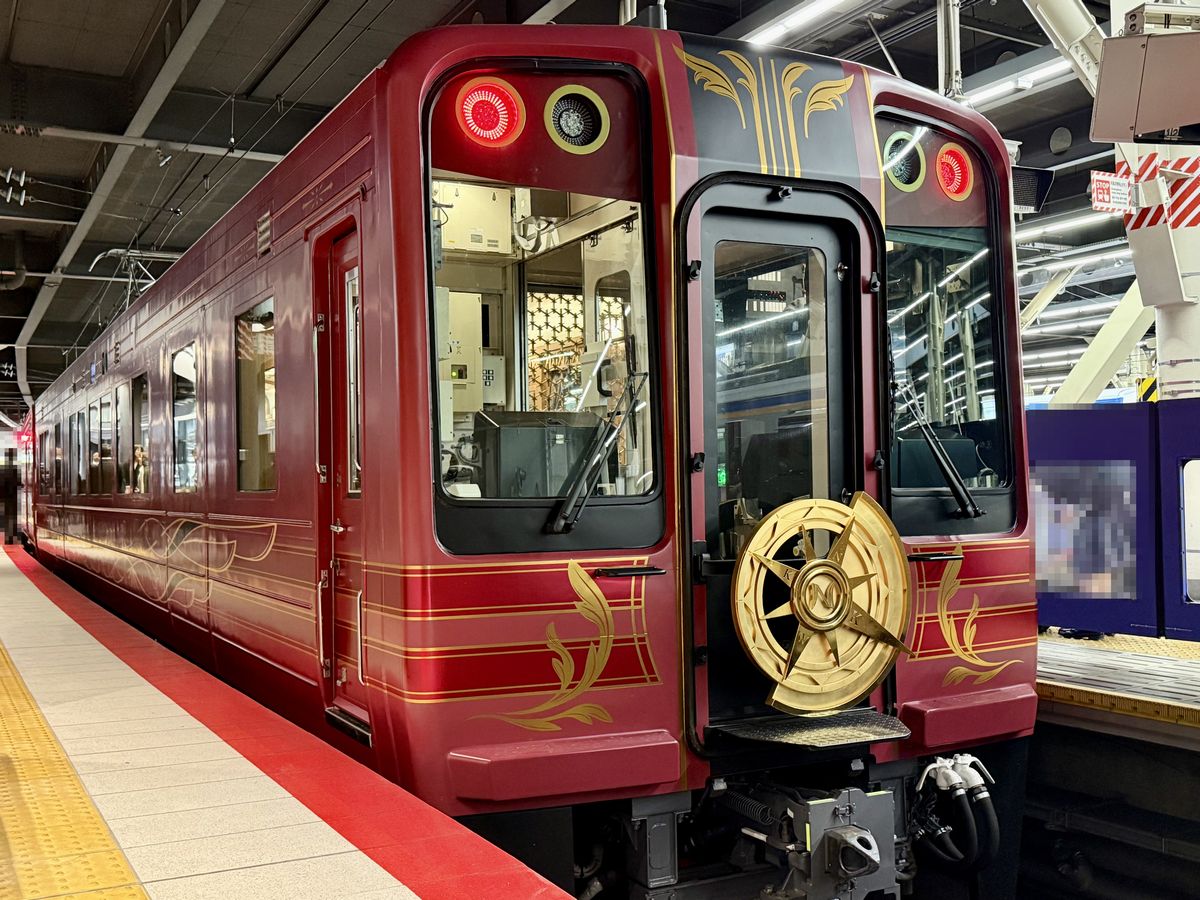
‘GRAN Tenku’ is a new tourist train operated by Nankai Electric Railway, connecting ‘Nankai Namba Station’ and ‘Nankai Gokurakubashi Station’ in Wakayama Prefecture.
When the ‘GRAN Tenku’ arrived at the platform of ‘Nankai Namba Station’, it was met with loud applause!
During the ceremony, a representative took the stage and gave a speech, stating, “We aim for it to be not just a means of transportation, but for the journey itself to be the purpose. We want to cherish a calm space and heartfelt hospitality.”
A prayer for safe operation was conducted here.
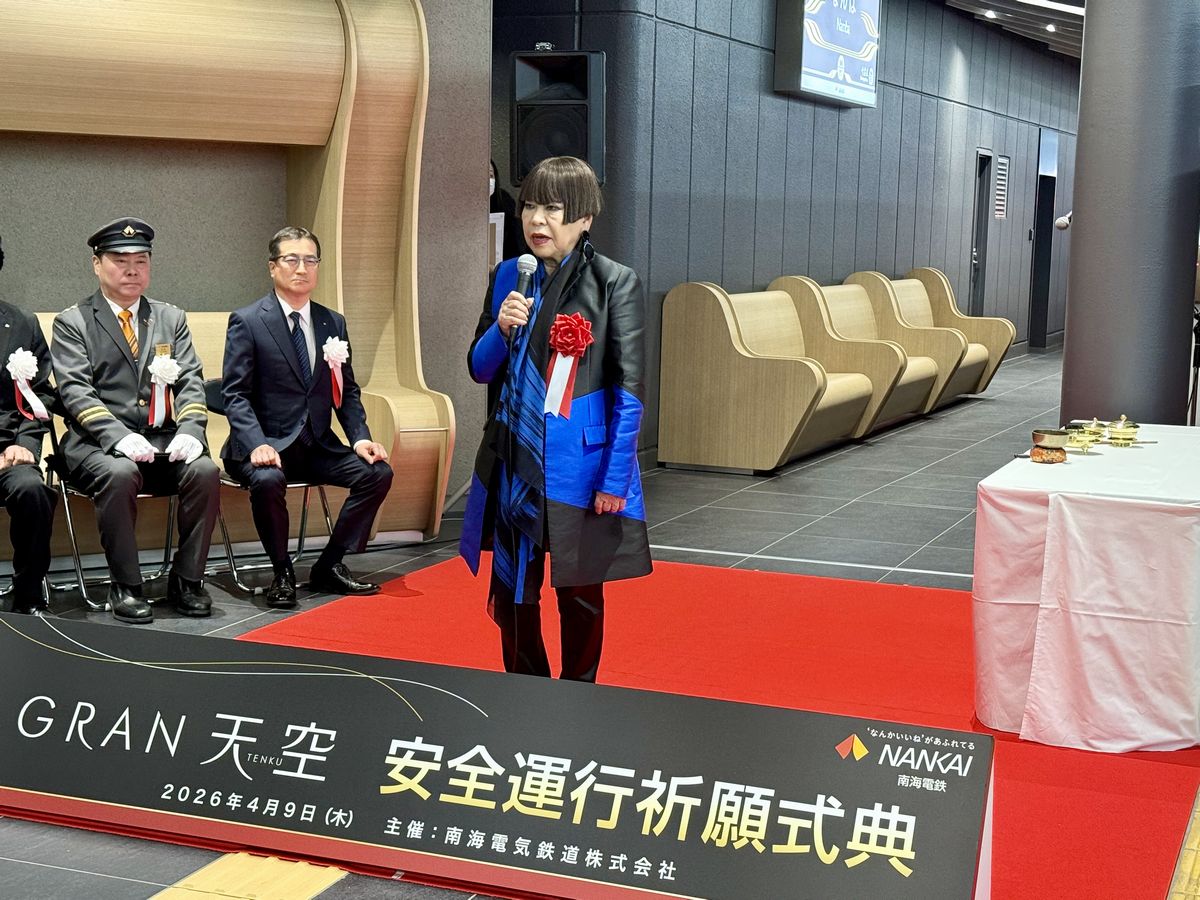
Next, a world-renowned designer took the stage.
The designer, who created the uniforms for the ‘GRAN Tenku’ attendants, said in their address, “I am from Kishiwada, and I feel fortunate to have been in charge of design for Nankai Electric Railway, which has deep ties to Kishiwada. I hope it becomes a tourist train the world can be proud of.”
<img
Castella Ginsho Shinsaibashi Main Store
Castella Ginsho Shinsaibashi Main Store is a renowned confectionery shop in Osaka, Japan, famous for its high-quality castella (a traditional Japanese sponge cake). The store is part of the long-established Ginsho brand, which has been baking castella since its founding in 1945, originally in Nagasaki—the historic birthplace of this Portuguese-influenced dessert. The Shinsaibashi location serves as a flagship store, bringing this classic, beloved treat to one of Osaka’s busiest shopping districts.
Shinsaibashisuji
Shinsaibashisuji is a historic shopping arcade in Osaka, Japan, dating back to the early 17th century when it was established as a temple town. Today, it is a bustling, covered pedestrian street renowned as one of the city’s premier shopping and entertainment districts, stretching from Shinsaibashi to Dōtonbori. It seamlessly blends long-standing traditional shops with modern international retailers and department stores.
Uji
Uji is a historic city in Kyoto Prefecture, Japan, renowned as the setting for the final chapters of the classic 11th-century novel *The Tale of Genji*. It is most famous for the Byōdō-in Temple, a UNESCO World Heritage site built in 1052, whose Phoenix Hall is depicted on the 10-yen coin. The city is also celebrated as one of Japan’s oldest and most prestigious tea-producing regions.
Sakai
Sakai is a historic port city in Osaka Prefecture, Japan, renowned for its deep association with the tea ceremony and as a major producer of high-quality Japanese swords and knives since the Muromachi period (1336-1573). It flourished as a wealthy and autonomous merchant city in the 15th and 16th centuries, and is also famous for housing one of Japan’s largest ancient burial mounds, the **Nintoku-tenno-ryo Kofun** (Daisen Kofun), a UNESCO World Heritage Site from the 5th century. Today, it remains a major industrial center while preserving its rich traditional crafts and archaeological heritage.
Nankai Namba Station
Nankai Namba Station is a major railway terminal in Osaka, Japan, serving as the southern terminus of the private Nankai Railway. It opened in 1885 and was historically the gateway for pilgrims traveling to the sacred Mount Kōya via the Nankai Kōya Line. Today, it is a bustling transportation hub integrated with the Namba district’s shopping, dining, and entertainment complexes.
Nankai Gokurakubashi Station
Nankai Gokurakubashi Station is the gateway station on the Nankai Electric Railway for pilgrims and tourists visiting the sacred Mount Kōya (Koyasan) in Wakayama Prefecture, Japan. It marks the terminus of the Nankai Kōya Line, where visitors transfer to the Koyasan Cable Car for the steep ascent to the mountaintop monastic complex, which was founded in the 9th century by the Buddhist monk Kūkai. The station itself, with its distinct traditional architectural style, has long served as the vital modern access point to this UNESCO World Heritage site.
Wakayama Prefecture
Wakayama Prefecture, located on the Kii Peninsula in western Japan, is a region steeped in spiritual history and natural beauty. It is most famous as the sacred setting for the Kumano Kodo pilgrimage routes and the revered Shinto shrines of Kumano Sanzan, which have attracted pilgrims for over a millennium. The area is also known for its historic Mount Koya, the headquarters of Shingon Buddhism founded in 819 by the monk Kobo Daishi.
Kishiwada
Kishiwada is a city in Osaka Prefecture, Japan, best known for Kishiwada Castle, a historic fortress originally built in the 14th century and reconstructed in the 1950s. The city is also famous for its dynamic and boisterous Kishiwada Danjiri Festival, a centuries-old autumn event where large, ornate wooden floats are pulled recklessly through the streets by local teams.