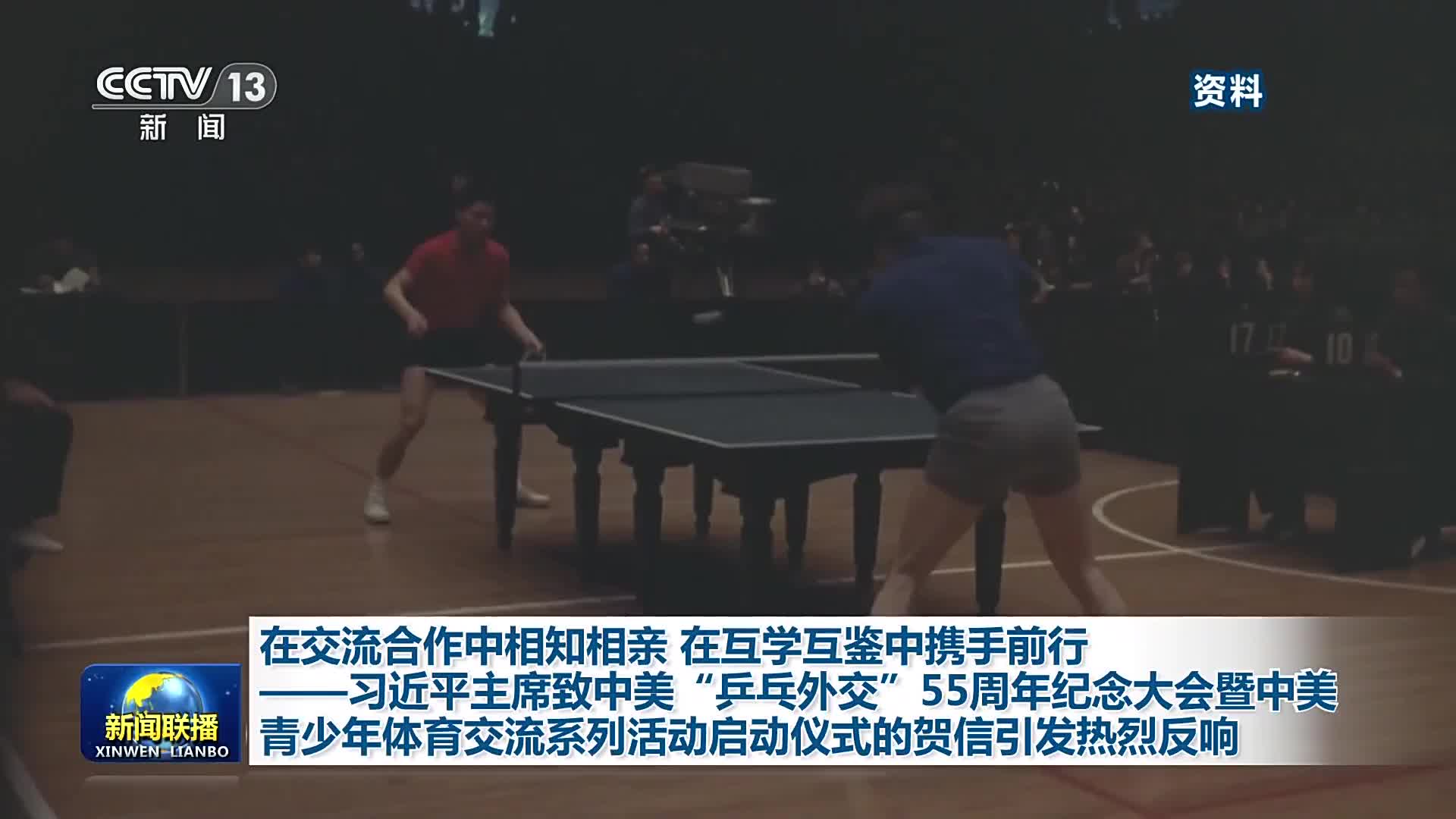
On April 10, President Xi Jinping sent a congratulatory letter to the commemorative event marking the 55th anniversary of China-U.S. “Ping-Pong Diplomacy” and the launch of a series of youth sports exchange activities. He highly commended the historical and contemporary significance of “Ping-Pong Diplomacy,” encouraging people from all walks of life in both countries, especially the younger generation, to understand and befriend each other and move forward hand in hand, injecting strong impetus and warm energy into bilateral relations. President Xi’s letter has drawn warm responses from various sectors in both China and the United States.
In his letter, President Xi pointed out that 55 years ago, with outstanding political wisdom and strategic vision, the older generation of leaders from China and the United States reopened the door to friendly exchanges between the two peoples, creating the historic story of “the small ball moving the big ball.” Today, the youth of the two countries are renewing this “Ping-Pong bond” through a series of sports exchange activities, which is of great significance for advancing the cause of China-U.S. friendship. President Xi’s letter greatly inspired the attendees from various sectors of both countries.
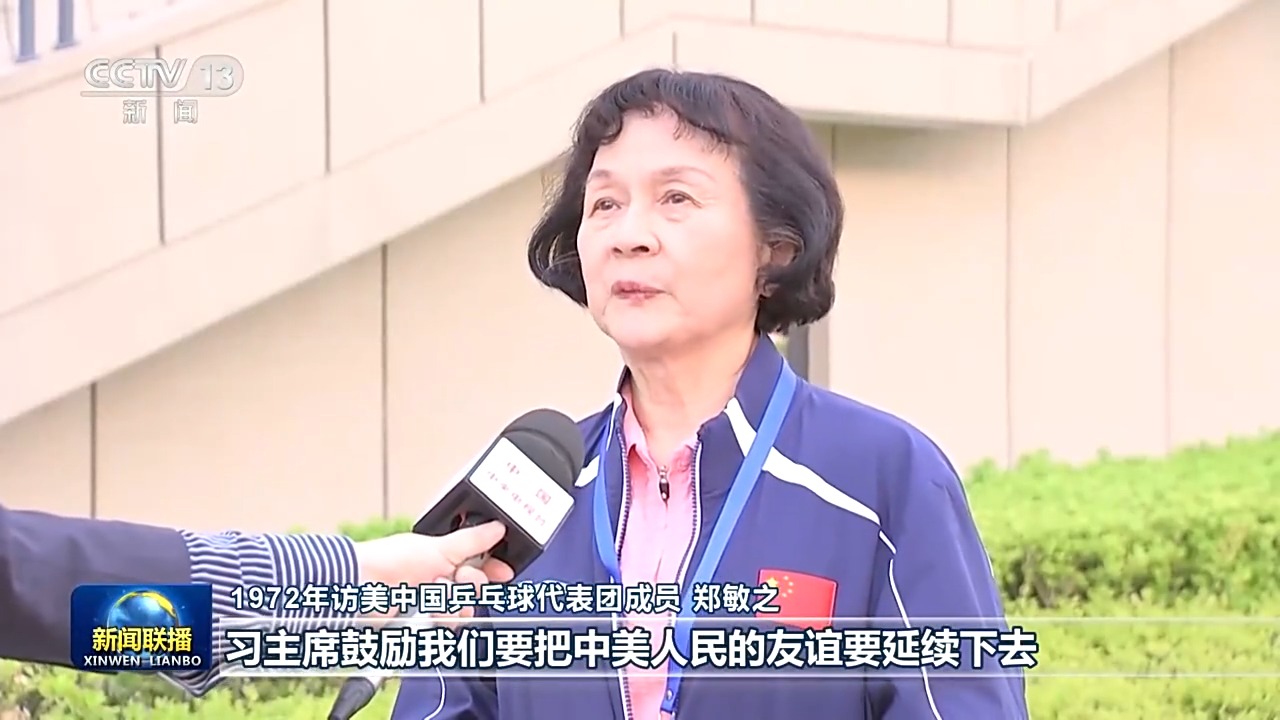
Member of the 1972 Chinese Ping-Pong Delegation to the U.S.: President Xi encouraged us to carry forward the friendship between the Chinese and American peoples. He further encouraged us to pass the baton to more young people. We must continue to contribute to China-U.S. friendship.
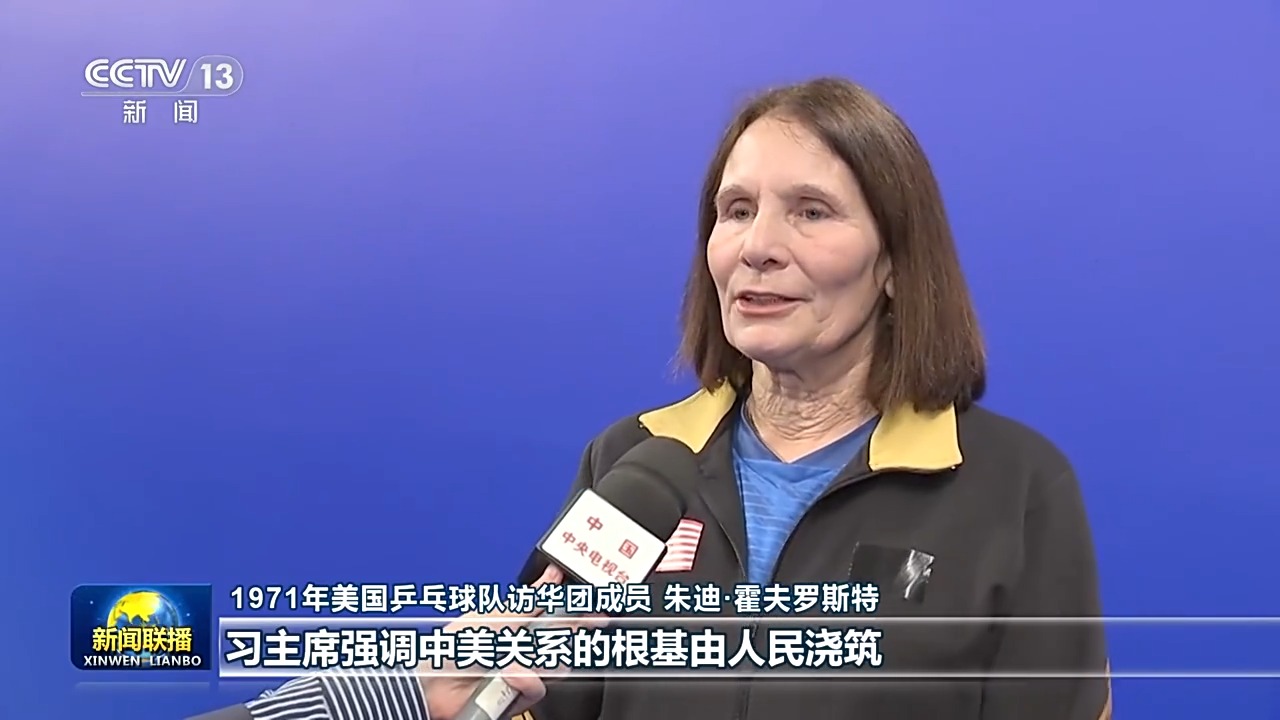
Member of the 1971 U.S. Ping-Pong Team Delegation to China: President Xi emphasized that the foundation of China-U.S. relations is built by the people, a point I deeply relate to. At present, mutual understanding and dialogue are more important than ever. I also hope we can continue to pass on the spirit of ‘Ping-Pong Diplomacy,’ conveying warmth and enhancing understanding between the peoples of the two countries.
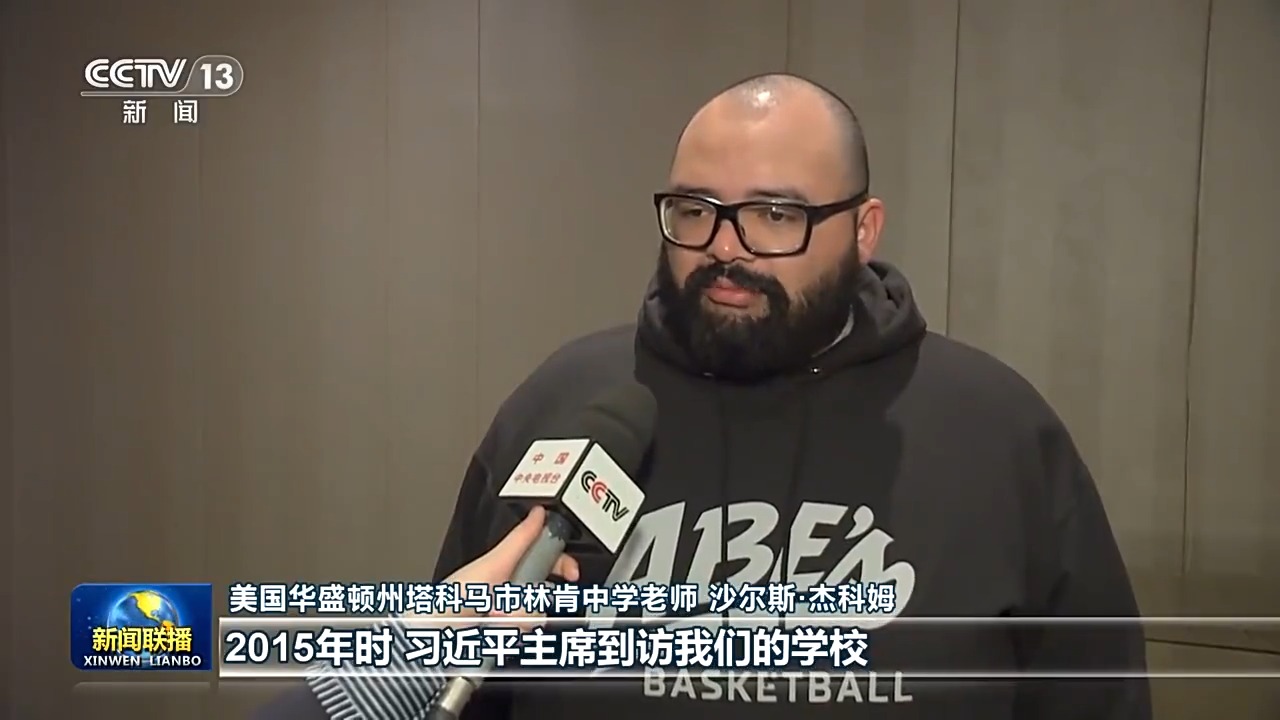
Teacher from Lincoln High School in Tacoma, Washington, U.S.: In 2015, President Xi visited our school and gifted us a Ping-Pong table, which left a precious memory for many. In my view, only by continuously carrying out cultural exchanges can we constantly strengthen the bonds between our two countries. President Xi’s letter has further strengthened my confidence in continuing to serve as an envoy for U.S.-China exchanges.
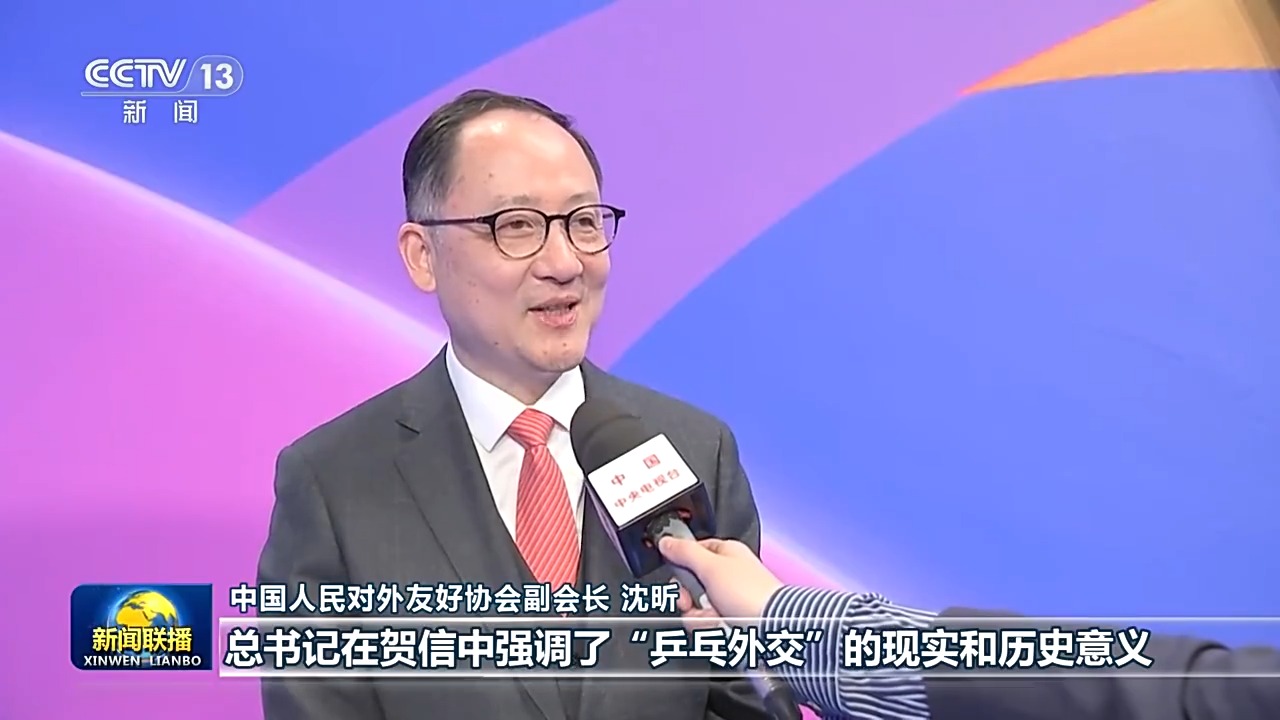
Vice President of the Chinese People’s Association for Friendship with Foreign Countries: In his letter, the President highlighted the contemporary and historical significance of ‘Ping-Pong Diplomacy,’ particularly encouraging the younger generation of both countries to understand, befriend, and advance together. This is a tremendous boost for people-to-people exchanges between China and the United States and has injected warm energy.
President Xi emphasized the hope that people from all walks of life in both countries, especially the younger generation, will draw wisdom and strength from history, understand and befriend each other through exchanges and cooperation, and move forward hand in hand through mutual learning. Attendees expressed that at this critical juncture in China-U.S. relations, President Xi has provided guidance for the strategic choices of the two countries and the evolving direction of the global landscape.